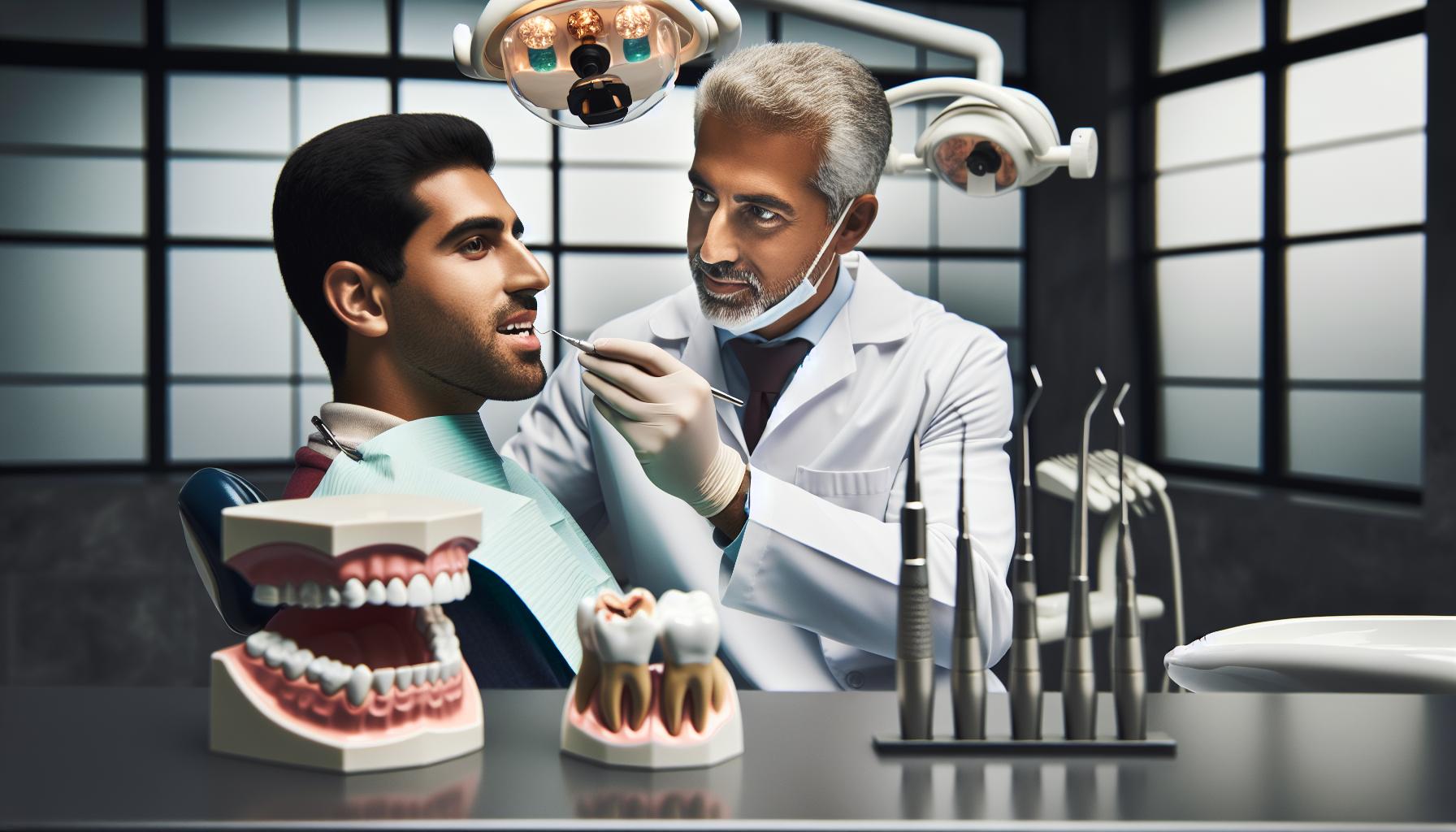
A broken tooth can be a source of discomfort and concern, but many people may not realize that a filling can be a viable repair option. Understanding how fillings work is essential, especially when considering the benefits they provide in restoring function and aesthetics to damaged teeth. Dental fillings can not only alleviate pain but also prevent further issues, making them a valuable solution for many.
If you’ve ever wondered how to deal with a broken tooth or what your options are, you’re not alone. Many individuals face this dilemma and seek effective ways to restore their smiles while maintaining dental health. As you explore the possibilities for repair, you’ll gain insights into various filling materials and the procedure itself, empowering you to make informed decisions about your dental care.
Join us as we delve deeper into the specifics of using fillings for broken teeth, addressing common fears and questions while providing practical guidance on what to expect. From understanding the procedure to post-treatment care, this information can help you approach your dental health with confidence.
Can a Filling Repair a Broken Tooth?
A broken tooth can be more than just a cosmetic concern; it often impacts your overall oral health and daily comfort. Fortunately, dental fillings can effectively repair many types of minor fractures or chips. Fillings help restore the structure and function of the tooth, preventing further damage and reducing the risk of infection. The procedure typically involves cleaning the affected area, applying a filling material, and polishing it to match the natural contours of your teeth.
When considering a filling for a broken tooth, it’s important to assess the extent of the damage. If the fracture is small and does not extend into the pulp (the innermost layer of the tooth), a filling can usually suffice to restore the tooth’s integrity. Common materials used for fillings include amalgam, composite resin, and glass ionomer, each offering various benefits in terms of durability, aesthetics, and resistance to decay.
It’s essential to consult with your dentist promptly to evaluate the break. They will determine whether a filling is the best option or if other treatments, such as crowns or root canals, may be necessary based on the damage. Many patients express concern about the pain associated with dental work, but modern techniques and local anesthesia have made the filling procedure relatively painless. Emphasize open communication with your dental provider about any anxieties, as they can offer tailored advice and reassurance to make your experience more comfortable.
Types of Fillings for Tooth Repair
When it comes to repairing a broken tooth, the type of filling material chosen can significantly influence both the outcome and longevity of the restoration. Each filling material has its unique properties that cater to different needs and preferences, emphasizing durability, aesthetics, and overall patient comfort. Understanding these options can help you make an informed decision about your dental care.
Types of Fillings
- Amalgam Fillings: These are silver-colored fillings made from a mix of metals, including mercury, silver, tin, and copper. Amalgam fillings are known for their strength and durability, making them ideal for larger cavities or areas under heavy chewing pressure. While they are highly effective, their metallic appearance may not be suitable for visible front teeth.
- Composite Resin Fillings: Composed of a tooth-colored plastic mixture, composite resins are popular for visible areas because they can be closely matched to the color of your natural teeth. These fillings not only restore functionality but also enhance the aesthetics of your smile. However, they may not last as long as amalgam fillings in high-pressure areas.
- Glass Ionomer Fillings: Made from a mixture of acrylic and glass, these fillings release fluoride, which can help protect the tooth from further decay. Glass ionomer is often used in areas not subjected to significant chewing pressure or for patients who may not have access to regular dental visits, as they bond well with the tooth structure.
- Resin Ionomer Fillings: Similar to glass ionomers, resin ionomer fillings offer enhanced aesthetics and fluoride release. They tend to be slightly more durable than traditional glass ionomer fillings and are used primarily in areas that receive less stress.
Choosing the right filling depends not only on the location and extent of the break but also on personal preference related to aesthetics and cost. Your dentist will evaluate the condition of your tooth and recommend the most appropriate filling type for your needs. Open communication with your dental professional can help ease concerns about the procedure and the materials used, ensuring a positive experience as you navigate through the repair options available to fix a broken tooth.
When to Choose a Filling vs. Other Options

While fillings are a popular solution for repairing broken teeth, they may not always be the best option for every situation. Understanding when to choose a filling versus other dental treatments is crucial for achieving the best outcomes for your oral health. If the damage to your tooth is minor, such as a small crack or cavity, fillings can effectively restore functionality and aesthetic appeal. However, if the break is significant, structural support may be compromised, which could necessitate alternatives like crowns or root canals to provide the necessary protection and stability.
In cases where a filling is inadequate, your dentist may recommend a crown, which encases the tooth and protects it from further damage while improving its appearance. Crowns are particularly beneficial for teeth that have undergone extensive decay or those at risk of fracturing due to stress. Additionally, if the inner pulp of the tooth is affected, a root canal treatment may be needed before placing a crown or filling. This is vital for preserving the tooth while addressing any underlying issues causing pain or infection.
It’s important to communicate openly with your dental care provider about your specific situation. They can help determine the most suitable treatment by assessing the extent of the damage, the location of the tooth, and your overall dental health. Understanding your options can alleviate anxiety; feeling informed about choices empowers you to make decisions tailored to your needs. If you’re uncertain, don’t hesitate to ask about how fillings compare with other treatments and what conditions warrant a different approach.
Step-by-Step: The Filling Procedure Explained
When a filling is needed to repair a broken tooth, understanding the procedure can help ease any anxiety you may have about visiting the dentist. The process is typically straightforward, and dental professionals strive to make it as comfortable as possible for patients. Here’s what you can expect during the filling procedure, step by step.
First, you will have a consultation with your dentist, who will examine the affected tooth using X-rays if necessary to determine the extent of the damage. Local anesthesia is usually administered to numb the area surrounding the tooth, ensuring that you don’t feel pain during the procedure. While some may feel hesitant about getting anesthesia, it’s important to remember that it significantly enhances comfort.
Preparation and Cleaning
Once the area is numb, the dentist will use specialized tools to remove any decayed or damaged material from the tooth. This step is crucial as it prepares the tooth for the filling and helps ensure a strong bond. After cleaning, the dentist may apply a solution to disinfect the area and promote adhesion.
Filling the Tooth
After preparing the tooth, your dentist will choose an appropriate type of filling material, such as composite resin, amalgam, or glass ionomer, based on factors like the location and size of the repair. The chosen filling material is then applied in layers, allowing each layer to set or harden as needed. This technique ensures that the filling is durable and precisely shaped to match your natural tooth.
Final Adjustments and Aftercare
Once the filling is in place, your dentist will make any necessary adjustments to ensure a proper bite and comfort. You might be asked to bite down on a piece of material to check if the filling feels right. Once satisfied with the placement, the dentist will polish the filling for a smooth finish.
After the procedure, be sure to follow any aftercare instructions provided by your dentist. It’s normal to experience some sensitivity for a few days following the filling, but this typically subsides. Drink plenty of water, maintain good oral hygiene, and avoid hard foods if your tooth is still tender.
By understanding the procedure and following your dentist’s advice, you can approach your visit with confidence, knowing that filling a broken tooth is a common and effective solution to restore your dental health.
Pain Management Strategies During Filling Treatment
Understanding how to effectively manage pain during a dental filling procedure can greatly alleviate anxiety and enhance your overall experience. Many individuals fear the discomfort associated with dental treatments, but knowing what to expect and how to prepare can transform a daunting visit into a routine appointment. This guide will walk you through several pain management strategies used during the filling treatment, empowering you to approach your dental care with confidence.
One of the most critical elements in ensuring a comfortable experience is the use of local anesthesia. Your dentist will typically administer a local anesthetic to numb the area around the affected tooth. This significantly reduces pain during the procedure. Patients often feel a slight pinch or sting when the anesthetic is given, but the benefits far outweigh this momentary discomfort. After a few minutes, you will likely notice the area feeling numb, which makes the following steps in the procedure more tolerable. Communicate with your dentist if you feel any discomfort during the procedure; they can provide additional anesthesia as needed.
Aside from local anesthesia, your dentist may utilize distractive techniques to make the experience more pleasant. This might include playing soothing music, providing visual distractions, or encouraging you to engage in deep breathing exercises. Focusing on your breathing can help minimize anxiety and pain perception. Additionally, consider bringing along headphones to listen to a podcast or calming music, which can divert your attention away from the procedure.
Another effective pain management strategy is over-the-counter pain relief medications. Your dentist might recommend taking ibuprofen or acetaminophen before the appointment or shortly after, as it can help manage any discomfort you might feel post-procedure. However, always consult with your dentist before taking any medication to ensure it’s suitable for your specific situation. Pacing yourself and allowing time for the local anesthesia to wear off is also vital for a comfortable recovery.
Ultimately, being proactive about pain management during a dental filling can significantly improve your experience. From discussing your concerns and preferences with your dentist to using distraction techniques, there are various ways to make the process smoother and less intimidating. Remember, your comfort is a priority, and open communication with your dental team is key to a positive experience.
Aftercare Tips for Optimal Healing
After receiving a dental filling for a broken tooth, taking the right steps for aftercare is crucial to ensure optimal healing and prevent complications. Many patients worry about post-procedure discomfort, but proper care can mitigate these concerns and support your recovery effectively.
First, it’s essential to allow the anesthesia to wear off completely before eating. Numbness may persist for a few hours, and eating while your mouth is still affected can lead to accidental biting of the cheek or tongue. Once the sensation returns, opt for soft foods for the first couple of days to avoid putting stress on the filled tooth. Foods like yogurt, mashed potatoes, and smoothies can be excellent choices.
Maintain excellent oral hygiene practices following your filling. Be gentle while brushing near the treated area, particularly in the first 24 hours. Avoid using mouthwash that contains alcohol as it can irritate the site. Instead, you can rinse with warm salt water to promote healing. Continuing regular brushing and flossing while being cautious around the filling will help keep the area clean and free from decay.
Monitoring the filled tooth for any signs of discomfort or sensitivity is also vital. While some sensitivity to hot or cold is normal initially, extreme pain or prolonged sensitivity may indicate an issue that requires attention. If you experience persistent problems, don’t hesitate to reach out to your dentist. Early intervention can prevent further complications and ensure your dental health remains intact.
Lastly, staying hydrated and avoiding hard, sticky, or crunchy foods can help protect your new filling. This will not only aid in a smoother recovery but will also contribute to your overall dental health. With attentiveness and care, your filling can restore functionality and comfort to your smile, allowing you to get back to enjoying your daily life confidently.
Insurance Coverage and Cost Considerations
Understanding the financial aspects of dental care can often alleviate some of the apprehensions that come with needing a filling for a broken tooth. Many patients wonder about the affordability of treatments and how insurance can help ease these costs. Generally, dental fillings are considered a necessary procedure for maintaining oral health, which means they are typically covered by most dental insurance plans. However, the extent of coverage and out-of-pocket expenses can vary widely based on your specific plan and provider.
When evaluating insurance coverage, it’s essential to contact your insurance company to understand your benefits clearly. Most plans categorize dental work into tiers-preventive, basic, and major services. Fillings usually fall under basic services, which may be covered at a standard rate, such as 70-80% of the procedure cost. This means patients are often responsible for a percentage of the expense, typically ranging from $50 to several hundred dollars, depending on the filling material chosen and the complexity of the case.
Additionally, factors such as the type of filling-composite resin, amalgam, or gold-can influence costs significantly. For example, while amalgam fillings are usually less expensive, composite fillings, which are favored for their aesthetic appeal, may cost more upfront. Your choice of a dentist and their geographical location also play a significant role in pricing; urban areas may have higher rates than rural practices.
To help manage costs, many dental offices offer financing options or payment plans that allow patients to spread payments over time, making dental care more accessible. Moreover, if you are uninsured or facing high out-of-pocket expenses, exploring dental discount plans or local dental schools, where procedures are performed by students under professional supervision at reduced rates, can also be worthwhile.
In summary, understanding insurance coverage and potential costs is crucial for making informed decisions about dental fillings. By staying proactive, asking questions, and exploring available options, patients can navigate their dental care with greater ease and confidence.
Signs You Need to See a Dentist
Recognizing when to seek professional dental care can make a significant difference in maintaining your oral health, especially when it involves a broken tooth. If you experience any of the following signs, it may be time to schedule an appointment with your dentist:
- Persistent Pain: Ongoing discomfort, especially when chewing or exposing the tooth to hot or cold temperatures, may indicate that the damage extends beyond the enamel, potentially affecting the underlying tooth structure. This can lead to sensitivity or more severe pain if left untreated.
- Visible Damage: If you can see a crack, chip, or break in your tooth, addressing it promptly can help prevent further deterioration and more complicated treatments down the line.
- Swelling or Inflammation: Any signs of swelling in the gums surrounding the affected tooth should not be overlooked. Inflammation can signify an infection or abscess, both of which require immediate dental intervention.
- Difficulty Eating: If you find it challenging to eat or are avoiding certain foods due to discomfort, it’s a clear sign that you should consult your dentist. Difficulty chewing can lead to nutritional deficiencies over time.
- Bad Breath or Unpleasant Taste: These symptoms may indicate an infection or decay associated with the broken tooth, which needs prompt attention to prevent complications.
It’s important to stay attuned to any changes in your oral health. Many patients experience anxiety about dental visits, but understanding that these signs warrant professional help can empower you to take action. Dentists are equipped to assess the extent of the damage and offer multiple repair options, whether through fillings or other treatments, ensuring that your dental health is restored effectively. Remember, seeking care early not only alleviates discomfort but also preserves your tooth’s functionality and overall oral health.
Alternative Treatments for Broken Teeth
When dealing with a broken tooth, it’s essential to explore a variety of repair options beyond just fillings to ensure the best outcome for your dental health. Depending on the severity and location of the damage, several alternative treatments may be more suitable. Understanding these options can empower you to make informed decisions, alleviating some anxiety associated with dental visits.
One effective alternative is a dental crown, which encases the entire tooth, providing robust protection and restoring its shape and function. Crowns are particularly beneficial for severely cracked or broken teeth that cannot effectively be repaired with a filling. The process involves reshaping the existing tooth, taking impressions, and then placing a custom-made crown made of porcelain, metal, or ceramic. This treatment not only enhances the aesthetic appearance of your smile but also fortifies the underlying tooth structure.
Another option is a tooth veneer, which is thin shells of porcelain designed to cover the front surface of a tooth. While veneers are typically used for cosmetic enhancements, they can also be a solution for minor chips or cracks on front teeth. This procedure is less invasive than crowns and can often be completed in a single visit, allowing for immediate improvement in your smile’s appearance.
For more extensive damage involving the tooth’s root or surrounding jawbone, root canal therapy might be necessary. This treatment revolves around removing infected pulp tissue from inside the tooth, followed by sealing it to prevent further decay. After a root canal, a crown is commonly recommended to restore the tooth’s strength and functionality. Though the idea of a root canal can be daunting, many patients report that the procedure alleviates pain and helps avoid more severe complications.
In cases where the tooth is beyond saving, extraction may be the only option. Your dentist will discuss the next steps, which usually entails replacing the extracted tooth with a dental implant or bridge to restore functionality and aesthetics.
Recognizing and understanding these alternatives not only provides clarity but also fosters a sense of control over your dental health journey. Consulting with your dentist will help tailor treatment plans that align with your specific needs and concerns, ensuring you feel supported every step of the way. Remember, addressing dental issues early can significantly improve your overall oral health and well-being.
Preventing Future Tooth Damage
One in four adults has had a tooth injury at some point in their lives, often leading to the need for fillings or other restorative treatments. However, being proactive about your dental health can significantly reduce the risk of future tooth damage. Simple lifestyle choices and preventive measures can protect your teeth from wear and tear, ensuring they remain healthy and strong for years to come.
To start, maintaining diligent oral hygiene is crucial. Brush your teeth at least twice a day with fluoride toothpaste and floss daily to remove plaque and prevent cavities. Regular dental check-ups-ideally every six months-allow your dentist to catch potential problems early before they necessitate extensive treatments. Your dentist may also apply sealants, a protective coating that can be placed on the chewing surfaces of back teeth to guard against decay.
Be mindful of your eating habits. Chewy, hard, or sticky foods can pose a risk to tooth integrity, so opt for a balanced diet that is rich in fruits, vegetables, whole grains, and dairy products. If you enjoy hard snacks, try to consume them in moderation. In addition, using a mouthguard during sports or other high-risk activities can be a game-changer, providing a barrier that protects against accidental falls or blows to the face.
Lastly, be cautious of habits that could harm your teeth, such as grinding or clenching your teeth, often exacerbated by stress or anxiety. Speaking with your dentist about a nightguard can help mitigate this damage during sleep. By adopting these preventive strategies, you not only reduce the likelihood of needing fillings or dental work in the future but also foster a sense of confidence in your dental care journey. Remember, taking control of your oral health can lead to a more positive experience at the dentist and enhance your overall well-being.
Understanding the Longevity of Dental Fillings
Dental fillings are a common solution for repairing broken teeth, yet their longevity can vary based on several factors. Understanding how long these fillings can last and the variables that influence their lifespan can empower you to make informed decisions about your dental health. On average, a well-maintained dental filling can last anywhere from 5 to 15 years, depending on the type of filling material used and individual lifestyle choices.
The materials used for fillings play a significant role in their durability. For example, amalgam fillings, composed of a mixture of metals, are known for their strength and can last upwards of a decade, making them ideal for back teeth that endure significant chewing forces. On the other hand, composite resin fillings, which are aesthetically appealing and can be color-matched to your teeth, typically last around 5 to 7 years due to their susceptibility to wear and staining.
Regular dental check-ups are essential not just for maintaining the health of your fillings, but for overall oral hygiene. Your dentist can evaluate the condition of your fillings during these visits, helping you catch any deterioration early on. Factors such as your oral hygiene practices, dietary choices, and habits like teeth grinding can all impact the lifespan of your fillings. For instance, excessive consumption of sugary foods can lead to more cavity formations, thus shortening the lifespan of existing fillings.
Taking proactive steps in your dental care routine can significantly extend the life of your fillings. This includes:
- Maintaining Oral Hygiene: Brush twice a day and floss daily.
- Regular Dental Visits: Schedule check-ups every six months.
- Mindful Eating Habits: Limit sticky and hard foods that could dislodge or damage fillings.
- Manage Teeth Grinding: Consider a nightguard if you grind your teeth at night.
By being mindful of these aspects, you can ensure that your fillings serve you well for many years to come, reducing the need for further dental interventions. This support and information can provide reassurance to those anxious about dental procedures, emphasizing that with proper care, lasting results are achievable.
Emotional Support: Overcoming Dental Anxiety
Feeling anxious about visiting the dentist is a common experience, especially when it involves the prospect of procedures like fillings. Understanding that many people share this anxiety can be reassuring. The good news is that there are effective strategies to help you manage these feelings and approach your dental visit with more confidence.
One practical approach is to communicate openly with your dentist about your fears. A supportive dentist will take the time to explain each step of the filling procedure in detail and may use calming techniques to help you feel at ease. For instance, they might offer a tour of the office, explain how modern technology minimizes discomfort, or discuss sedation options that could make you feel more relaxed during treatment. Knowing what to expect can significantly reduce anxiety, so ask questions-there are no silly inquiries when it comes to your health.
Preparing for your appointment can also help ease your mind. Consider planning your visit during a time when you feel most relaxed, and perhaps bring a companion for support. Listening to calming music or a podcast on the way to the office can provide a familiar distraction. Once at the dentist, practicing deep breathing techniques can help you stay calm. Taking slow, deep breaths can reduce your heart rate and ground your thoughts, making the experience more manageable.
Aftercare is another important aspect. Knowing that your discomfort will likely be temporary, with specific aftercare instructions to guide you, can provide comfort. Most fillings require minimal recovery time, but understanding how to care for your teeth post-procedure can encourage you to take an active role in your recovery. By focusing on your health and taking proactive steps, you can turn a potentially intimidating experience into an opportunity for positive dental care.
Remember, dental professionals are there to help you. Each visit brings you closer to better oral health, and addressing your concerns is an essential part of that journey. By recognizing your anxiety and actively seeking support, you can overcome your fears and make strides toward a healthier, more confident smile.
Faq
Q: Can a cracked tooth be filled?
A: Yes, a cracked tooth can often be filled if the damage is not extensive. Dentists assess the crack’s severity and may recommend a filling if it meets specific criteria, ensuring the tooth’s strength and function are restored effectively.
Q: How long does a filling last on a broken tooth?
A: A filling can last several years, typically ranging from 5 to 15 years, depending on the material used and how well you maintain oral hygiene. Regular dental check-ups can help ensure the filling remains intact and effective [1[1].
Q: What should I do if my filling falls out?
A: If your filling falls out, contact your dentist immediately. Avoid chewing on that side of your mouth and consider protecting the area with dental wax to prevent sensitivity or further damage until you can get it repaired.
Q: Can white fillings be used for repairing a broken tooth?
A: Yes, white fillings, also known as composite resin fillings, can be used to repair a broken tooth. They not only provide a natural appearance but also bond well to the tooth structure, making them a suitable choice for visible areas.
Q: What are the signs that I need a filling for a broken tooth?
A: Signs that you may need a filling include pain when chewing, sensitivity to hot or cold, visible cracks or chips, and persistent discomfort. If you notice any of these symptoms, consult a dentist for an evaluation [2[2].
Q: Is there a difference between fillings and crowns for a broken tooth?
A: Yes, fillings are suited for smaller areas of damage, while crowns cover and protect teeth with extensive damage. Crowns provide more support and coverage, making them a better option for significantly broken teeth [3[3].
Q: How can I prevent future cracks in my teeth?
A: To prevent future cracks, maintain good oral hygiene, avoid biting hard foods, wear a mouthguard if you grind your teeth, and stay on top of regular dental check-ups to address any potential issues early [1[1].
Q: What should I expect during the filling process for a broken tooth?
A: During the filling process, your dentist will numb the area, remove any decay, and fill the cleaned area with the chosen material. The entire process typically takes about 30 to 60 minutes, depending on the complexity of the repair. Aftercare is important to ensure proper healing [2[2].
In Summary
If you’re faced with a broken tooth, remember that fillings can be a quick and effective solution to restore your smile and functionality. Don’t hesitate-schedule a consultation with your dentist today to explore your options and find peace of mind. You might also want to check out our articles on “Aftercare Tips for Dental Fillings” and “Understanding Tooth Sensitivity,” which provide further insights into maximizing your dental health following treatment.
Taking the first step towards recovery is crucial, and addressing any concerns you have about the procedure will ease anxiety. Join our community by signing up for our newsletter to stay informed about dental care trends and get expert advice sent directly to your inbox. Your smile is worth it, so act now and empower yourself with knowledge and support from trusted resources!