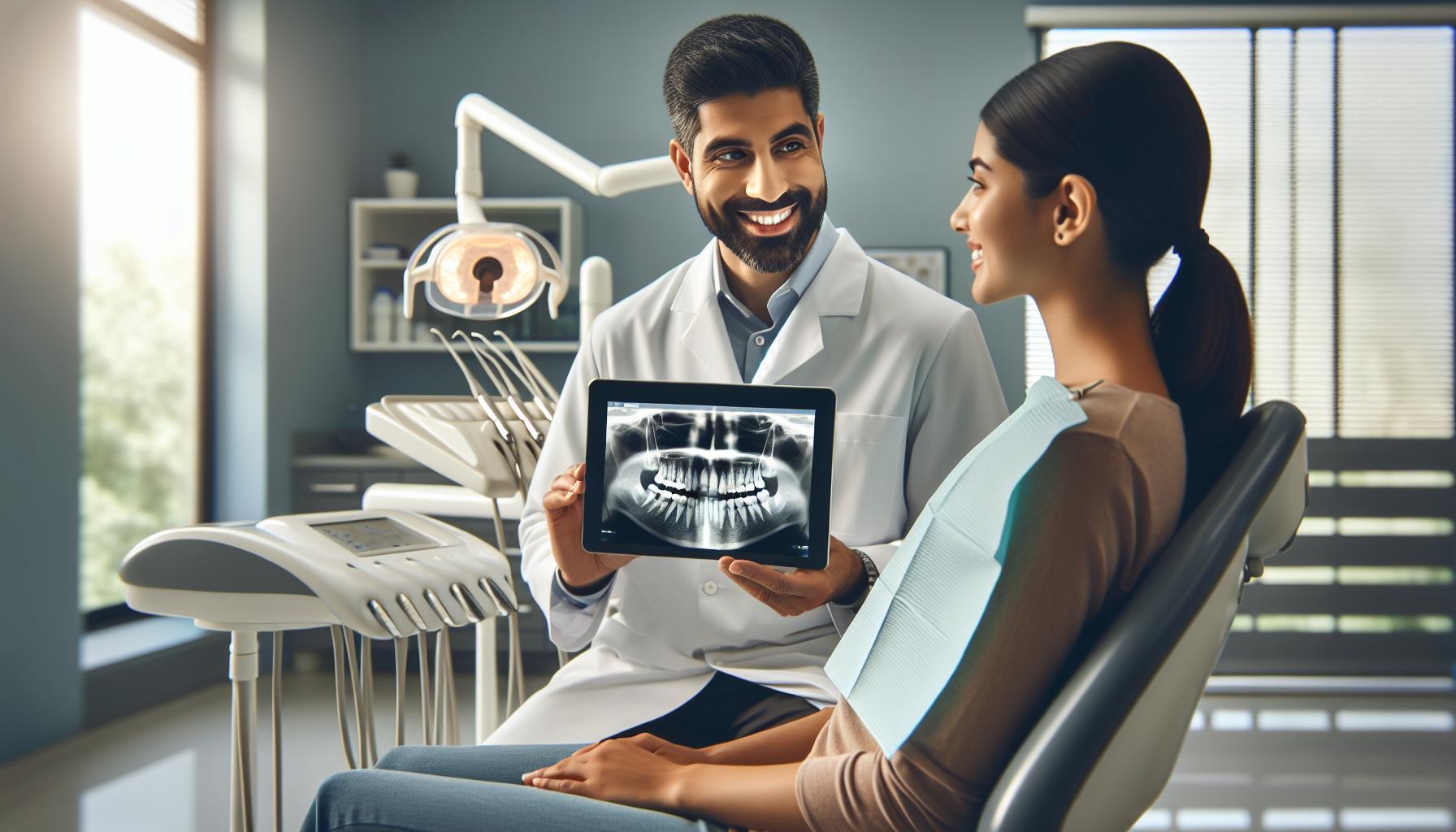
Many people face the challenge of misaligned teeth, and it’s even more complex for those with missing teeth. You may wonder if braces can still be an effective option for you. Understanding the possibilities and treatment plans available can help you regain not only a beautiful smile but also improved oral health.
For those who feel anxious about orthodontic treatments, knowing that there are tailored approaches-like using braces in conjunction with fillings or other dental solutions-can be empowering. This journey can be an opportunity to address your concerns while enhancing both function and aesthetics.
Read on to explore how braces can work for you despite having gaps in your smile and discover the best treatment options to achieve the results you desire. Your path to a confident, straightened smile may be more accessible than you think!
Can You Get Braces With Missing Teeth? Understanding Your Options
Braces can indeed be a viable option for individuals with missing teeth, offering the opportunity to align remaining teeth and enhance overall oral health. Understanding the interplay between orthodontic treatment and missing teeth is crucial for patients considering braces. When teeth are absent, orthodontists can still create a comprehensive treatment plan that addresses alignment issues while taking gaps into account. This often involves evaluating how the existing teeth can shift to create a more balanced arch, promoting better function and aesthetics.
A tailored approach is essential when planning orthodontic treatment for patients with missing teeth. Initially, diagnostic tools such as X-rays and molds of the teeth are utilized to assess the overall dental structure. Depending on the specific situation, options such as space maintainers might be recommended to prevent adjacent teeth from shifting into the gaps before the braces are applied. This step is fundamental to ensure that once braces are fitted, the remaining teeth can be moved into an optimal position, which may support eventual restoration with dental prosthetics if desired.
Furthermore, it’s important to communicate with your orthodontist about your specific concerns and goals. They will provide information on how your situation will be managed, keeping in mind factors such as potential extractions, the timing of dental implants, or the incorporation of other restorative procedures, like partial dentures. Together, you can explore suitable types of braces, whether traditional metal braces or more discreet options like ClearCorrect aligners, depending on the severity of your misalignment. This collaboration will not only ensure that the treatment effectively addresses orthodontic issues but also integrates well with any restorative measures you may need for missing teeth.
Types of Braces Suitable for Missing Teeth
Braces are not just for a complete set of teeth; they can also be an effective solution for individuals who have missing teeth. It’s essential to understand that various types of braces can cater to specific orthodontic needs, especially when gaps are present. Orthodontists typically evaluate the condition of the remaining teeth and design a treatment plan that optimally utilizes the existing dental structure for alignment purposes.
One common option is traditional metal braces, which consist of brackets and wires that apply consistent pressure to move teeth into the desired position. These are highly effective for severe misalignments and can be customized to address gaps left by missing teeth. The brackets can be strategically placed to facilitate the movement of adjacent teeth toward the gap, ensuring that the dental arch remains functional and aesthetically pleasing.
For patients seeking a more discreet option, clear aligners like ClearCorrect can also be considered. These are removable, allowing for easier cleaning and maintenance during treatment. Clear aligners are suitable for mild to moderate misalignments; however, when gaps are present, some patients might need attachments or other supplementary devices to ensure effective movement.
Choosing the right type of braces can also depend on several factors, including the specific arrangement of your remaining teeth and any planned restorative procedures, such as implants or bridges. A conversation with your orthodontist can help clarify which braces may be most suitable, as they can offer advice tailored to your unique dental situation. By working closely with your orthodontist, you can establish a clear treatment path that not only addresses alignment but also prepares the way for any future restorative dental work.
How Missing Teeth Affect Orthodontic Treatment
The journey to achieving a straighter smile can be complex, especially for individuals with missing teeth. Understanding the implications of these gaps is essential in determining the best orthodontic treatment plan. When teeth are missing, the surrounding teeth can shift or tilt into the empty space, potentially leading to misalignment. This can affect not only the aesthetic appearance but also the functionality of your bite, making it crucial to address these gaps during orthodontic treatment.
To navigate these challenges effectively, orthodontists often take a comprehensive approach. They will conduct a thorough examination, including X-rays and digital scans, to assess the overall alignment and health of the remaining teeth. This evaluation helps in determining the ideal placement of braces or aligners, as well as any additional devices that might be needed. For instance, in cases where there are significant gaps, anchorage could be strategically implemented to prevent displacement of adjacent teeth during treatment.
Moreover, having a missing tooth can influence the type of braces that are most suitable for your situation. Traditional metal braces are typically favored for their strength and reliability, especially when dealing with complex cases involving missing teeth. On the other hand, clear aligners like ClearCorrect may also be viable, but they often require careful monitoring and possibly additional appliances to ensure effective movement into alignment. Communication with your orthodontist will be key-involving discussions about your specific needs and any restorative plans, such as implants or bridges, that may be necessary in conjunction with your orthodontic care.
Ultimately, addressing missing teeth in orthodontic treatment is not just about aesthetics; it plays a vital role in ensuring long-term oral health. By working hand-in-hand with your orthodontist, you can design a treatment plan that not only straightens your teeth but also lays the groundwork for a healthier future. Whether you’re anxious about procedures or unsure about the costs involved, rest assured that your orthodontic team is there to provide support and guidance every step of the way.
Comprehensive Treatment Plans for Patients with Gaps
The journey through orthodontic treatment can feel daunting, especially for individuals with gaps due to missing teeth. However, with the right comprehensive treatment plan, it is entirely possible to achieve a healthy and beautiful smile. Orthodontic care for those with missing teeth requires a tailored approach that not only focuses on straightening teeth but also addresses the complexities introduced by the gaps. By collaborating closely with an experienced orthodontist, you can navigate these challenges effectively.
When starting your orthodontic journey, your orthodontist will begin with a thorough evaluation, which may include X-rays and digital scans. This assessment is crucial for developing a personalized treatment plan that takes into account the positioning of both existing teeth and any missing ones. In some cases, devices like retainers or temporary anchorage devices might be used to maintain the position of the surrounding teeth and support correct alignment as treatment progresses. It’s all about strategically planning each step to ensure a stable and effective result.
Moreover, the inclusion of restorative options, such as dental implants or bridges, may be necessary. These solutions can fill the gaps left by missing teeth and provide additional support during the orthodontic process. For instance, if implants are planned, your orthodontic treatment can be synchronized with the implant process to achieve optimal results. The use of traditional metal braces is often recommended for their robustness in cases that demand significant movements, while clear aligners, like ClearCorrect, can be effective depending on individual circumstances. Your orthodontist will guide you in selecting the best method based on your unique needs and preferences.
While the prospect of orthodontic treatment with missing teeth may feel overwhelming, it’s important to remember that each case is unique. Open communication with your orthodontist will ensure that all your concerns are addressed and that you feel supported throughout the process. With a solid treatment plan in place, you can embark on this journey with confidence, knowing that your orthodontic team is committed to helping you achieve not only an aesthetically pleasing smile but also a functional and healthy bite.
Preparing for Braces: Key Considerations
Getting braces can feel overwhelming, especially for those who have missing teeth. However, preparation is key to making the process smoother and less stressful. Establishing a clear understanding of what lies ahead can significantly ease anxiety and help in confidently making informed decisions about your dental care. The journey to a straighter smile begins with essential considerations that set the stage for successful orthodontic treatment.
Before committing to braces, it’s crucial to have an open dialogue with your orthodontist. This conversation should include inquiries about your specific oral health situation, the potential need for additional restorative procedures such as implants or bridges, and how these might affect your orthodontic timeline. Your orthodontist will likely perform a thorough evaluation, including X-rays, to understand the alignment of your existing teeth and identify any gaps. This assessment is vital, as it informs the development of a personalized treatment plan tailored to your unique needs.
You can also take proactive steps to prepare for your treatment. First, consider improving your oral hygiene routine. Ensuring your teeth and gums are healthy before starting orthodontic treatment will not only minimize the risk of complications but also enhance your overall comfort during the braces process. Additionally, it might be helpful to learn about dietary changes you may need to adopt, especially if you choose traditional metal braces, which typically require avoiding sticky and hard foods that could damage the appliances.
Finally, financial considerations should also be part of your preparation. Understanding the potential costs associated with braces, including any additional treatments required for missing teeth, will allow you to plan accordingly. Don’t hesitate to discuss insurance coverage with your provider to determine what orthodontic services are included. Many offices offer payment plans or financing options, which can ease the financial burden and make treatment more manageable. By addressing these key areas before starting your orthodontic journey, you position yourself for a more comfortable and seamless experience.
Steps in the Orthodontic Process with Missing Teeth
Starting the orthodontic journey with missing teeth can be a unique challenge, but it does not mean that effective treatment is out of reach. Understanding the steps involved can empower you and ease any apprehensions. The process begins with a consultation, where your orthodontist will meticulously evaluate your dental structure, including X-rays to assess both existing teeth and gaps. This critical first step allows for a comprehensive overview of your situation and is essential for crafting a personalized treatment plan.
Once the initial assessment is completed, your orthodontist will discuss various treatment options, including the potential need for restorative procedures such as implants or bridges. If any teeth are missing, these may need to be addressed either before, during, or after your orthodontic treatment depending on the specific case. For patients opting for braces, it may be necessary to adjust the orthodontic timeline to accommodate the placement of these additional restorations. This step ensures that the braces can effectively align teeth while considering the overall aesthetics and functional needs of your smile.
As your treatment progresses, regular follow-up appointments will be essential. During these visits, your orthodontist will monitor the movement of your teeth and make adjustments to the braces as needed. It’s crucial to maintain open lines of communication during this period, especially if you experience discomfort or have questions about your progression. Your orthodontist is there to guide you, so don’t hesitate to express any concerns about pain management or the fit of your braces.
Lastly, once the braces are on, maintaining good oral hygiene becomes even more vital, especially when there are gaps where food particles can hide. Establishing a robust dental care routine, including careful brushing and flossing techniques, will help mitigate complications and keep your smile healthy. By following these steps and staying engaged with your orthodontic team, you can navigate the process smoothly and move towards achieving the smile you’ve always wanted.
Alternative Solutions: Partial Dentures and Bridges
Finding yourself with missing teeth can be disheartening, especially when considering braces to achieve that perfect smile. Fortunately, you have viable options that can be incorporated into your orthodontic treatment plan, notably partial dentures and bridges. Each of these solutions can help fill gaps, enhancing your smile and supporting the overall alignment process during braces treatment.
Partial dentures are removable appliances designed to replace one or more missing teeth. They are custom-made to fit snugly in your mouth and can be a simple, cost-effective option. One of the notable benefits of partial dentures is that they provide an aesthetic improvement and functionality, allowing you to chew and speak with confidence while awaiting further treatment. Depending on your specific dental situation, your orthodontist might suggest introducing partial dentures into your treatment plan, particularly if you’re planning to start braces soon.
Bridges, on the other hand, are fixed dental prostheses that can also replace one or more missing teeth. They are anchored to the adjacent teeth and offer a more permanent solution compared to partial dentures. While bridges require healthy surrounding teeth for support, they can dramatically improve your bite, facilitate orthodontic movement, and enhance your overall oral health. Incorporating a bridge into your treatment can provide stability, streamlining the braces process and contributing to a well-aligned smile that you can maintain for years to come.
Choosing between partial dentures and bridges often depends on individual circumstances, including the number of missing teeth, the condition of surrounding teeth, and personal preferences regarding maintenance and care. Discussing your options thoroughly with your orthodontist can reassure you that whatever path is chosen, it will be tailored specifically to meet your needs, enabling a seamless journey toward achieving that radiant smile. The key is to inform and engage actively throughout the decision-making process, as your comfort and satisfaction are crucial to successful long-term outcomes.
Cost Factors: Braces with Missing Teeth
Navigating the financial aspects of getting braces while dealing with missing teeth can be daunting, but understanding the various cost factors can help you make informed decisions. The overall expense of orthodontic treatment hinges on several components, including the type of braces chosen, the complexity of your specific case, and any additional treatments needed to address gaps from missing teeth.
Understanding Treatment Costs
Generally, the cost of braces ranges widely based on their type-traditional metal braces, ceramic braces, or clear aligners. Traditional metal braces are typically the most affordable option, while clear aligners, such as ClearCorrect, often come with a higher price tag due to their advanced technology and aesthetic appeal. When it comes to missing teeth, you may need supplementary treatments, like bridges or partial dentures, which can significantly impact your total orthodontic expense. A combination of treatments might be required, depending on your individual dental situation.
Insurance and Financing Options
Many insurance plans cover a portion of orthodontic treatment, but it’s vital to confirm what is included and any limitations regarding missing teeth. Some plans might have waiting periods or specific guidelines for such cases. In addition to insurance, consider exploring financing options that allow you to spread out payments over time, making it more manageable financially. These options not only alleviate immediate financial pressure but also empower you to prioritize your oral health.
Additional Cost Considerations
While initial costs are significant, don’t overlook ongoing expenses related to maintenance and aftercare. Regular visits to your orthodontist for adjustments are essential, especially if you are using braces or a comprehensive dental plan involving other prosthetics. It’s also important to factor in potential costs for follow-up care or retainers post-treatment. Finally, investing in preventive care, such as routine cleanings and proper oral hygiene, can reduce the risk of complications that could raise your overall treatment costs down the road.
By understanding these financial elements, you can approach your orthodontic journey with confidence-ready to embrace the possibility of a radiant smile, even in the face of missing teeth.
The Role of Orthodontists in Your Treatment Journey
An orthodontist plays a crucial role in your journey towards achieving a straight and healthy smile, especially when dealing with the complexities of missing teeth. As a specialist in tooth positioning and alignment, your orthodontist understands the unique challenges posed by gaps in your dental arch and has the expertise to devise a tailored treatment plan. This personalized approach ensures that any orthodontic treatment addresses not only the aesthetic goals but also the functional aspects of your bite, promoting overall oral health.
During your initial consultation, the orthodontist will conduct a comprehensive examination, which may include imaging and impressions, to evaluate the state of your teeth and jaw. This thorough assessment allows them to identify how the absence of certain teeth can affect your orthodontic needs. Equipped with this information, they can recommend suitable treatment options, which often include braces, and may also involve placements like bridges or partial dentures to fill in gaps. This collaborative strategy offers a holistic solution that aims for long-term success and satisfaction.
Throughout the treatment process, effective communication remains key. Your orthodontist is there to answer your questions about every stage, from the initial fitting of braces to any necessary follow-up care. Understanding the procedures, potential discomfort, and pain management options can alleviate anxiety and help you feel more prepared. Regular appointments for adjustments and progress checks will be essential, providing opportunities to address any concerns and make timely modifications to your treatment plan.
After the active phase of orthodontic treatment is complete, your orthodontist will guide you in establishing a retainer plan to ensure your teeth maintain their new positions. This phase is critical in solidifying your results and preventing regression. Additionally, your orthodontist will give tailored advice on maintaining good oral hygiene during and after treatment, ensuring that your investment translates into lasting benefits for your smile. Embracing the expertise and support of your orthodontist can empower you throughout this transformative journey, allowing you to face your dental challenges with confidence and optimism.
Addressing Patient Concerns: Pain Management and Care
Experiencing discomfort during orthodontic treatment, especially when dealing with missing teeth, is a common concern for many patients. Understanding the nuances of pain management can significantly alleviate anxiety and enhance your overall experience. While it’s normal to feel some pressure and soreness when braces are first fitted or adjusted, there are effective strategies to help manage this discomfort and keep you feeling more at ease throughout your treatment journey.
To minimize discomfort, your orthodontist may recommend over-the-counter pain relievers such as ibuprofen or acetaminophen. Taking these medications as directed can help keep any soreness at bay, particularly following initial fittings or adjustments. Additionally, applying a cold compress on the outside of your cheeks can also provide relief by numbing the area and reducing swelling. If you’re concerned about the specific tooth or area that’s sensitive-especially where gaps are present-don’t hesitate to bring this up during your appointments. Your orthodontist can provide tailored interventions that address your unique situation.
Another important aspect of aftercare is adjusting your diet to help manage soreness. Soft foods like yogurt, mashed potatoes, and smoothies are ideal during the first few days after getting braces, as they are gentle on the teeth and gums. Be sure to maintain good oral hygiene by brushing gently and using a soft-bristled toothbrush, which minimizes irritation to your gums and prevents any complications due to missing teeth. You might also consider using an antibacterial mouthwash to help keep your mouth clean without exacerbating discomfort.
Lastly, keep an open line of communication with your orthodontist. Regular follow-ups are crucial not only for tracking progress but also for addressing any discomfort you may experience. Your care team is there to support you, and having honest conversations about your pain levels and any other concerns can lead to more personalized care that best suits your needs. Embracing this collaborative relationship will empower you to navigate your orthodontic journey with confidence, ensuring that treatment is as comfortable and effective as possible.
Insurance Coverage: What You Need to Know
Navigating the financial aspect of orthodontic treatment can be daunting, especially if you are considering braces with missing teeth. Many people are surprised to learn that their dental insurance might cover a significant portion of the costs associated with braces, regardless of whether you have gaps in your smile. Understanding your insurance coverage and the options available can ease the burden of financial anxiety.
Most dental insurance plans include orthodontic coverage, but the specifics can vary widely. Typically, these plans cover a percentage of the treatment cost, often up to 50%, depending on the individual’s plan limits and deductible amounts. It’s crucial to review your policy documents or contact your insurance provider for detailed information. Questions to consider include:
- Does my plan include orthodontic treatment?
- What percentage of the costs will be covered?
- Is there a lifetime maximum benefit for orthodontics?
- Are pre-existing conditions, such as missing teeth, taken into account?
If you find that your insurance doesn’t fully cover braces, don’t lose hope. Many orthodontic practices, including those like Sage Dental, offer flexible payment plans or financing options that allow patients to manage costs over time. These arrangements can make orthodontic treatment accessible for many families, even those on tighter budgets. Additionally, it is essential to inquire whether your orthodontist has any partnerships with third-party financing organizations that can provide loans specifically for dental treatments.
Remember, while the initial cost may seem daunting, the long-term benefits of investing in braces-improved oral health, enhanced aesthetics, and increased self-confidence-can far outweigh the expenses. No matter your situation, open communication with your orthodontic team can guide you through the financial details, ensuring you receive the care you need while staying within your budget. Taking the time to understand your insurance coverage and available payment options is a critical step toward achieving your dental goals.
Long-Term Care and Maintenance After Getting Braces
Maintaining good oral hygiene and following a consistent care routine after getting braces is crucial for ensuring that you achieve the best results, especially if you have missing teeth. Regular dental check-ups, attention to cleaning, and following your orthodontist’s guidance are all essential to this process.
After receiving braces, you may experience some discomfort, especially in the initial weeks. It’s perfectly normal to feel some soreness as your teeth begin to move. Over-the-counter pain relief can help manage this discomfort. Ensure you are using the right tooth brushing technique; an orthodontic toothbrush or an interdental brush can effectively clean around the brackets and wires, preventing plaque buildup. Consider rinsing with a fluoride mouthwash to strengthen your teeth and freshen your breath.
Additionally, being mindful of your diet is essential during this phase. Avoid hard and sticky foods that can damage your braces or impede their effectiveness. Foods like popcorn, nuts, and chewy candies should be limited. Instead, opt for softer alternatives such as yogurt, smoothies, and cooked vegetables to make eating easier and less painful.
Regular Orthodontic Visits
Your orthodontist will schedule regular adjustments to ensure that your teeth are shifting as planned. These visits are vital for monitoring progress and making necessary changes to your treatment plan. Be sure to communicate any concerns you might have during these appointments, including discomfort, so that your orthodontist can address them promptly.
Addressing Gaps and Missing Teeth
If braces are placed in conjunction with missing teeth, your orthodontist may recommend additional strategies. Options like partial dentures or dental bridges can be discussed during your treatment planning to ensure a comprehensive approach to your dental health. These solutions can provide the necessary support for your overall alignment, influencing both your comfort and the aesthetics of your smile post-treatment.
Establishing a long-term plan for oral maintenance, including regular dental cleanings and check-ups, is fundamental to keeping your teeth healthy as you transition away from braces. Embrace this journey as a positive step toward achieving a beautiful, confident smile-after all, the foundations you build now will support your oral health for years to come.
Q&A
Q: Can braces help in aligning teeth if I have missing ones?
A: Yes, braces can still help align your remaining teeth even if you have missing teeth. An orthodontist can design a treatment plan that addresses your unique situation, ensuring that the alignment and spacing are managed effectively. This may involve additional options like dental implants or space maintainers.
Q: What are the best treatment options for braces with missing teeth?
A: The best treatment options often include traditional metal braces or ceramic braces. In some cases, clear aligners can be considered if the missing teeth do not negatively affect the treatment’s effectiveness. Your orthodontist will evaluate which method suits you best based on your dental condition.
Q: How do missing teeth affect the duration of orthodontic treatment?
A: Missing teeth can elongate the duration of orthodontic treatment depending on the overall alignment needs. If gaps lead to misalignment of adjacent teeth, additional steps may be necessary, thus prolonging treatment. A thorough assessment by your orthodontist will provide a more accurate timeframe.
Q: Are there alternative treatments to braces for individuals with missing teeth?
A: Yes, alternatives to braces include partial dentures and dental bridges, which can restore function and aesthetics. For some cases, clear aligners may be effective if the missing teeth do not significantly impact the alignment of existing teeth. Discuss these options with your orthodontist for the best solution.
Q: How can I prepare for getting braces if I have missing teeth?
A: Preparation for braces with missing teeth involves a thorough dental evaluation. Your orthodontist will provide specific instructions, which may include dental x-rays, a cleaning, and discussions regarding any necessary restorations like implants or bridges before beginning the braces treatment.
Q: Will my insurance cover braces if I have missing teeth?
A: Insurance coverage for braces with missing teeth varies by plan. Typically, dental insurance may cover a portion of orthodontic treatment, but it’s essential to confirm with your provider regarding specific coverage options. Consulting your orthodontist can also help clarify potential costs.
Q: What adjustments might I need during orthodontic treatment if I have gaps?
A: Adjustments during orthodontic treatment may involve frequent monitoring to ensure teeth are shifting correctly around the gaps. Your orthodontist may also add springs or other appliances to help maintain space and facilitate proper movement of adjacent teeth.
Q: Can braces fix gaps caused by missing teeth?
A: Braces primarily focus on aligning existing teeth. While they can help close gaps where teeth are missing, it is advisable to discuss long-term options with your orthodontist, such as implants or bridges, that provide a comprehensive solution to missing teeth issues.
Closing Remarks
Considering braces with missing teeth doesn’t have to be overwhelming. It’s crucial to understand that various options are available, including bridges and implants that can complement your orthodontic treatment plan. By addressing your concerns and facilitating solutions tailored to your needs, we aim to enhance both your smile and confidence. Don’t wait-taking the first step towards a healthier smile is just a consultation away!
For more insights, check out our comprehensive guides on orthodontic treatments and how to care for your orthodontics. Remember, every smile tells a story, and yours deserves to shine! Share your thoughts in the comments below or reach out to us for personalized advice. Your path to achieving that perfect smile starts today-let’s explore it together!