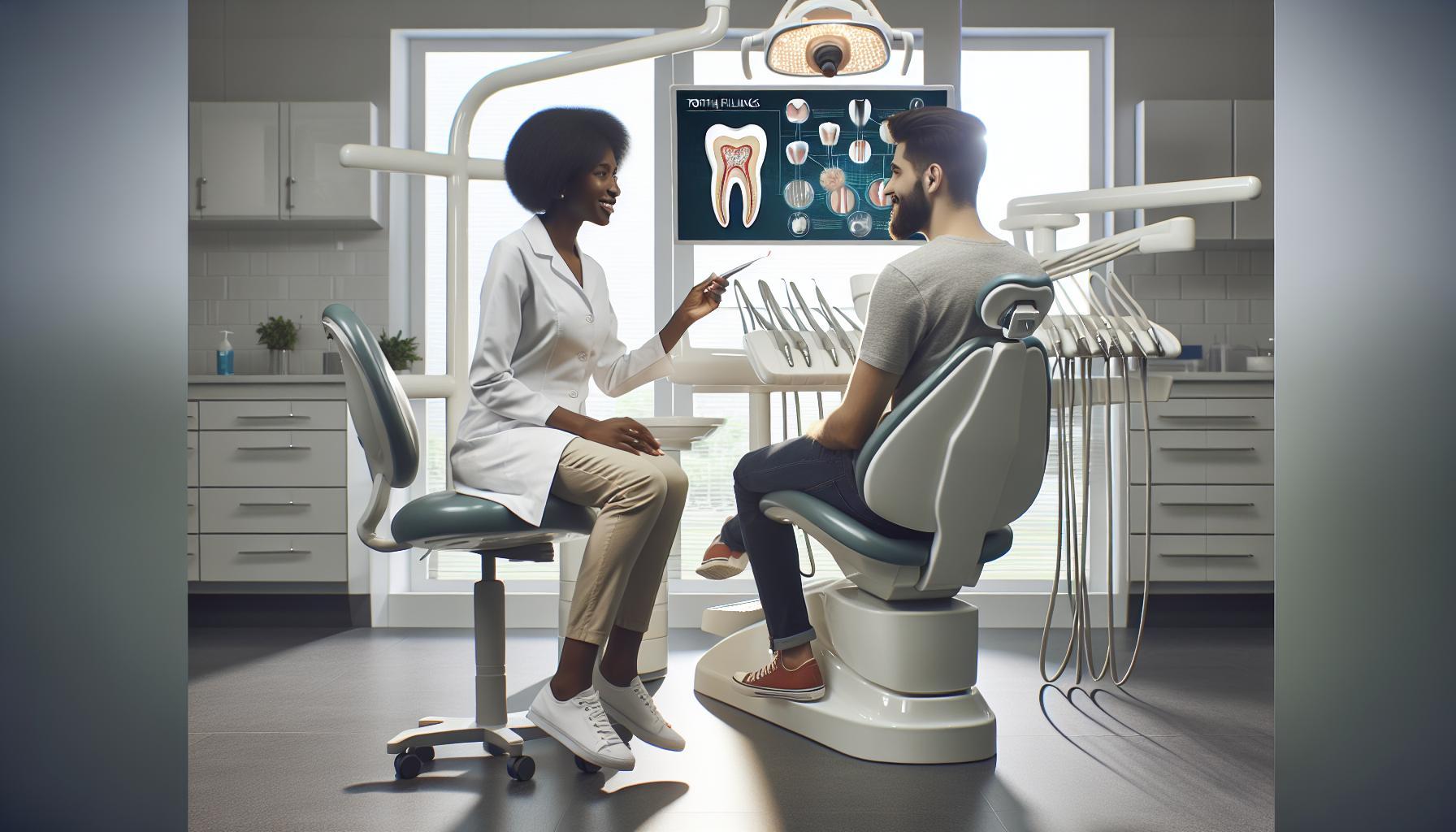
Did you know that dental fillings can last anywhere from five to thirty years, depending on various factors? As you navigate your dental care journey, understanding the lifespan of your fillings is essential for maintaining oral health and avoiding future issues. Whether you’re dealing with a recent filling or considering one, knowing how long they are designed to last can ease anxiety and help you plan for proper maintenance and care.
Many patients worry about the longevity of their dental work and the implications for their overall dental health. By exploring the different types of fillings and their expected lifespans, you can make informed decisions that not only save you time and money but also contribute to your long-term well-being. Dive into this guide to discover how long you can expect your fillings to last, and learn practical tips for maximizing their durability. Your smile deserves the best care!
Understanding the Lifespan of Tooth Fillings

The lifespan of tooth fillings can vary significantly depending on a variety of factors, including the type of material used and the individual’s oral hygiene habits. Generally, most fillings have a functional lifespan of anywhere between seven to 30 years. Amalgam (silver) fillings, known for their durability, typically last 10 to 15 years or more, while composite resin fillings tend to stay intact for about seven to 10 years. More premium materials, such as gold and porcelain fillings, can last anywhere from 10 to 30 years, making them excellent long-term choices for dental repairs.
Several factors can influence how long a filling will last, including the location of the filling in the mouth, the size of the cavity that was treated, and even individual lifestyle choices. For instance, fillings placed in areas exposed to significant pressure, such as molars, may wear down more quickly. Additionally, habits such as grinding teeth (bruxism) or poor dietary choices, including high sugar intake, can also lead to premature failure of dental fillings. Taking proactive steps like avoiding hard foods and maintaining good oral hygiene can help extend the life of your fillings.
It’s also essential to recognize when a filling may no longer be functioning effectively. Signs that a filling needs replacement include painful sensations when chewing, visible cracks or chips in the filling, and increased sensitivity to temperature changes. Regular dental checkups can help monitor the condition of your fillings and address any emerging issues early on, preserving your oral health and preventing larger treatments down the line.
For optimal longevity, adopting a diligent oral hygiene routine is paramount. This includes brushing at least twice a day, flossing daily, and scheduling routine dental visits for professional cleanings and evaluations. These measures not only enhance the durability of your fillings but also contribute significantly to overall dental health, potentially averting future cavities and the need for more extensive dental work.
Factors Affecting Filling Longevity
The longevity of your dental fillings hinges on a variety of factors, so understanding these can empower you to take proactive steps for optimal results. One of the most critical variables is the type of filling material used. Amalgam fillings, known for their strength, can generally last between 10 to 15 years, while composite resin fillings have a shorter lifespan, averaging around seven to ten years. More durable options, like gold or porcelain, can provide service for 10 to 30 years, making them ideal for those looking for longevity in their dental repairs.
Another significant aspect is the location and size of the filling within your mouth. Fillings placed in areas that endure heavy chewing forces, such as the back molars, are more susceptible to wear and may require replacement sooner. Additionally, larger fillings are sometimes stressed more than smaller ones, which can impact their durability. Your personal habits also play a crucial role; for instance, individuals who grind their teeth (a condition known as bruxism) or have a high sugar diet may experience more wear on their fillings.
To improve the lifespan of your fillings, adopting a few simple yet effective practices can make a difference. Maintaining good oral hygiene is essential, including brushing and flossing diligently and visiting your dentist regularly for check-ups. These habits not only keep your fillings in prime condition but also contribute to your overall oral health, reducing the risk of future cavities and the consequent need for further dental work. By being mindful of these factors, you can extend the life of your fillings and ensure they serve you well for years to come.
Common Types of Tooth Fillings Explained

Understanding the different types of dental fillings can significantly ease your anxiety about the procedure and help you make informed decisions regarding your treatment. There are several popular materials used for fillings, each with its own unique characteristics, durability, and aesthetic appeal.
Amalgam Fillings
Amalgam fillings are a time-tested option, composed of a mixture of metals, including silver, mercury, tin, and copper. Known for their durability and strength, these fillings are particularly effective in areas that endure heavy chewing pressure, making them ideal for the back molars. Typically, amalgam fillings can last between 10 to 15 years, depending on factors such as placement and oral hygiene maintenance. One common concern is about the mercury content in amalgam; however, numerous studies have deemed them safe for use in dentistry.
Composite Resin Fillings
Composite resin fillings are made from a tooth-colored material that offers a more natural look. They bond well with the tooth structure, making them an excellent choice for cavities in visible areas, such as the front teeth. While they provide good aesthetics, their lifespan generally ranges from 5 to 10 years, which is shorter than that of amalgam fillings. Factors influencing their durability include the location of the filling and the patient’s oral hygiene habits. Regular care can prolong their life, but they may require more frequent replacements than amalgam options.
Gold Fillings
Gold fillings are among the most durable and long-lasting options, providing an aesthetic that some find appealing. They can last between 10 to 30 years due to their excellent resistance to wear and adaptability within the tooth structure. However, the significant cost and the conspicuous color of gold can deter some patients. If you’re looking for longevity and can accommodate the expense, gold may be the right choice for you.
Porcelain Fillings
Porcelain fillings, also known as ceramic fillings, offer another aesthetically pleasing alternative. Similar in appearance to composite resin, porcelain fillings provide a strong and durable solution that can last 10 to 15 years. They are particularly effective for larger restorations and can withstand chewing forces while still blending with the natural color of your teeth. They are slightly more prone to chipping compared to amalgam but less noticeable.
Ultimately, the type of filling material that is right for you will depend on various factors, including location in your mouth, aesthetic preferences, and budget considerations. Consulting with your dentist can help you weigh these options against your specific needs, allowing for a treatment plan that aligns with your preferences and goals. Such informed choices can empower you and enhance your overall dental health.
Signs Your Filling May Need Replacement

It’s essential to stay vigilant about the health of your dental fillings, as they play a crucial role in your overall oral health. While fillings are designed to withstand wear and tear, they are not immune to problems. Recognizing the early signs of potential filling failure can not only save you from discomfort but also prevent further dental issues that could arise from neglecting the problem.
One of the most common indicators that a filling may need replacement is the presence of sensitivity to hot or cold temperatures. If you experience discomfort when consuming hot beverages or cold foods, it might suggest that the filling has deteriorated, allowing stimuli to reach the nerve of the tooth. Another sign to watch for is visible damage. Cracks, chips, or visible wear on the filling can compromise its effectiveness, leading to future decay or additional damage to the underlying tooth structure.
Furthermore, decay around the filling is another telltale sign that may indicate a need for replacement. This can manifest as discoloration or a darkening at the edges of the filling, which could suggest new cavity formation. If you notice a change in the way your filling feels during chewing or if you experience pain around the area of the filling, it’s crucial to consult your dentist promptly. These symptoms could signal that the filling has become loose, cracked, or fallen out entirely, allowing bacteria to re-enter the tooth.
By being proactive and aware of these signs, you can maintain better control over your dental health and address issues before they escalate into more significant problems. Regular dental check-ups will also help your dentist assess the condition of your fillings and recommend any necessary treatments, ensuring that your smile remains healthy and intact for years to come.
How to Care for Your Fillings for Longevity
To ensure the longevity of your dental fillings, implementing an effective care regimen is crucial. Fillings, whether amalgam, composite, or any other type, can last several years if maintained properly. One of the simplest yet most effective ways to extend the life of your fillings is to maintain excellent oral hygiene. Brush your teeth at least twice a day using fluoride toothpaste and floss daily to remove plaque and food particles that can lead to decay around the filling.
Regular dental check-ups are equally important. Visiting your dentist at least twice a year allows for early detection of potential issues, such as decay forming around the edges of a filling or wear and tear that you may not notice. Your dentist can also professionally clean your teeth and assess the health of your fillings, offering guidance tailored to your specific needs. In between visits, pay attention to any changes in your mouth, particularly around the filled tooth, and don’t hesitate to seek professional advice if you notice sensitivity or discomfort.
Additionally, be mindful of what you eat. Avoid excessively sticky or hard foods that could chip or dislodge your fillings. Opt for a balanced diet rich in fruits, vegetables, and whole grains to support overall dental health. Limiting sugary snacks and beverages can also diminish the risk of new cavities forming around existing fillings. If you are involved in contact sports, consider wearing a mouthguard to protect your teeth and fillings from potential impact.
Lastly, stay hydrated and rinse your mouth with water after meals to help clean your teeth and reduce acidic buildup. Small but consistent habits can make a significant difference in the durability of your dental fillings, helping you achieve a healthier smile for years to come.
The Role of Dental Hygiene in Filling Durability
Maintaining proper dental hygiene is essential for ensuring the longevity of tooth fillings. In fact, studies have shown that individuals who commit to regular oral care can significantly enhance the lifespan of their fillings, some lasting upwards of a decade or more. This underscores the importance of not just the initial dental treatment but also the continued care afterward.
To start, daily brushing and flossing should be at the forefront of your routine. Brush twice a day using fluoride toothpaste to help strengthen your teeth and minimize decay around your fillings. Flossing daily removes debris and plaque buildup that can lead to harmful bacteria accumulation. Remember to use gentle techniques to avoid damaging the fillings; vigorous scrubbing could wear down both your natural teeth and the fillings over time.
Regular Dental Check-ups
Equally important are routine visits to your dentist, ideally every six months. These appointments allow your dental care provider to monitor the condition of your fillings, assessing for signs of wear or potential decay. During these visits, your dentist can perform cleanings that eliminate tartar and bacteria that your home care might miss, keeping your fillings in top shape. Moreover, if you experience changes in sensitivity or discomfort around any fillings, schedule an appointment sooner rather than later to prevent further complications.
Mindful Eating Habits
Another dimension to consider is diet. While enjoying your favorite foods, be mindful of those that are particularly hard or sticky, as they can dislodge or damage dental work. Aim for a balanced diet rich in fruits, vegetables, and whole grains, while restricting sugary snacks that can promote new cavities. Drinking water after meals can also help rinse away residue, further protecting your oral health.
By integrating these habits into your daily life, you can greatly contribute to the durability of your dental fillings while fostering overall dental health. Keeping your mouth clean, visiting your dentist regularly, and making smart dietary choices will not only preserve your fillings but also enhance your entire dental experience.
When to Consult Your Dentist About Fillings
Changes in your dental fillings can often be subtle but telltale signs are there, and understanding when to consult your dentist is vital for your ongoing oral health. If you notice any discomfort, sensitivity, or changes in your fillings, don’t hesitate to reach out. For example, persistent pain when biting down might indicate that something is wrong, such as cracks or deterioration in the filling. Similarly, if you observe visible wear or discoloration, these could be signs that your filling is losing its effectiveness.
It’s also essential to monitor your oral health regularly. If you experience increased sensitivity to hot or cold temperatures, this could suggest that the filling is beginning to fail or that decay is forming underneath. Additionally, if you find yourself frequently getting food stuck in a particular area, this may point to the need for a replacement as the filling may not be fitting well anymore. Being proactive about these changes will save you potential dental complications down the line.
Regular dental check-ups are the cornerstone of maintaining your oral health, as they allow your dentist to perform thorough examinations and catch issues early. Typically, an evaluation every six months can help identify problems before they escalate, ensuring that your fillings and overall dental health remain intact. Following your dentist’s recommendations for care, including their advice on any signs to watch for, can provide additional reassurance that you’re doing everything possible to maintain your fillings properly.
In summary, listening to your body and coordinating with your dentist are key steps in managing the longevity of your fillings. Early detection of any signs that your fillings might need attention can lead to timely intervention, which is crucial in avoiding more extensive and expensive dental treatments later on. Remember, if something feels off, it’s always better to err on the side of caution; consulting with your dentist can alleviate any concerns and keep your smile healthy and bright.
Cost Factors for Filling Replacement and Repairs
Understanding the financial implications of dental fillings can be an essential part of maintaining oral health. When considering filling replacements and repairs, various cost factors come into play, impacting both immediate budgets and longer-term dental care plans. Prices can fluctuate widely based on the type of filling material used, the complexity of the procedure, and geographical location.
For instance, dental materials like amalgam tend to be more cost-effective, ranging from $100 to $250 per filling, while porcelain or composite resin materials may cost slightly more, between $150 and $400. Gold fillings, known for their durability, can be the priciest option, costing $300 to $600. While these higher initial costs might feel daunting, they often reflect greater longevity and performance, ultimately saving money in the long run due to infrequent replacements.
It’s also important to factor in the potential need for additional treatments if a filling fails. A compromised filling can lead to further decay and more extensive, costlier treatments like root canals or crowns, which may run into the thousands of dollars. Therefore, investing in high-quality fillings and prioritizing regular dental check-ups can be a proactive way to manage these costs effectively.
For many, dental insurance can help alleviate some of these financial burdens. Various plans may cover a portion of the filling costs, leading to substantial savings. Be sure to consult with your insurance provider to understand your coverage limits and co-pays, and check if your dentist offers a payment plan to make higher costs more manageable. Staying informed and communicating openly with your dental care provider can empower you to make decisions that not only benefit your health but also fit within your financial framework.
Alternatives to Traditional Tooth Fillings
Exploring can provide options that prioritize both dental health and patient preferences. As dental technology evolves, patients now have access to innovative solutions that may be more aesthetically pleasing or biocompatible than conventional fillings. Understanding these alternatives can empower you to make informed choices about your dental care.
Composite Resin Fillings
Composite resin fillings are a popular alternative to amalgam. These tooth-colored materials blend seamlessly with the natural color of your teeth, providing an aesthetically pleasing solution, especially for visible areas. Composites can last between 5 to 10 years, depending on your oral hygiene habits and the extent of the decay in the affected tooth. While they may require replacement sooner than some materials, their aesthetic advantages often make them worth considering.
Glass Ionomer Fillings
Another option is glass ionomer fillings, which are particularly beneficial for children and patients with a high risk of decay. These fillings release fluoride over time, helping to protect the surrounding tooth structure. Although they may not be as durable as other filling materials, lasting around 5 years, they bond well to the tooth and can be an excellent choice for situations where aesthetics are less of a concern.
Resin Ionomer Fillings
Resin ionomer fillings combine aspects of composite and glass ionomer materials. They are particularly useful for non-load-bearing areas of the mouth and can last about 5 to 7 years. While they are not recommended for major restorations, they provide a versatile option that maintains the aesthetic qualities of composite materials while offering the added benefit of fluoride release.
Crowns as an Alternative
For larger cavities or when a tooth structure is significantly compromised, dental crowns may be a suitable alternative to fillings. Crowns can cover the entire tooth, providing strength and protection while enhancing its appearance. They can be made from various materials, including porcelain and metal, with lifespans ranging from 10 to 30 years, depending on the material chosen.
Making these choices can alleviate anxiety about the appearance and durability of dental work. Discussing your options with your dentist will help you select the most suitable filling type for your specific needs and lifestyle. By taking a proactive approach to your dental health, you’re not only ensuring the longevity of your fillings but also investing in a more confident smile.
Preventive Measures to Extend Filling Life
Taking proactive steps to extend the life of your dental fillings can not only save you from the discomfort of replacements but also contribute to your overall dental health. Regular maintenance and mindful practices can significantly enhance the durability of your fillings, ensuring they function effectively for as long as possible.
One of the most impactful preventive measures is maintaining exceptional oral hygiene. Brushing your teeth at least twice a day with fluoride toothpaste, along with daily flossing, can help remove plaque and food particles that contribute to decay around your fillings. Make sure to use a soft-bristled toothbrush to avoid damaging either the fillings or your teeth. Additionally, incorporating an antibacterial mouthwash can help to reduce oral bacteria, further protecting your dental work.
Avoiding hard and sticky foods is another critical step. Foods such as hard candies, ice, and chewy snacks like caramel can put undue stress on fillings, leading to cracks or dislodgement. Instead, focus on a balanced diet rich in fruits, vegetables, and dairy products that promote dental health. Regular dental check-ups are essential as well; your dentist can monitor the condition of your fillings and recommend timely replacements or repairs before problems arise.
Lastly, being mindful of habits like teeth grinding or nail-biting can have a significant effect on filling longevity. If you suspect you grind your teeth, discuss potential solutions such as a night guard with your dentist. By implementing these strategies, you not only extend the life of your fillings but also foster a healthier dental environment overall.
Understanding Your Filling Warranty and Coverage
Understanding warranties and coverage for dental fillings can significantly ease patient anxiety regarding their dental care investment. Many patients are unaware that some dental practices offer warranties on restorations, including fillings, which may last anywhere from one to five years, depending on the material used and the specific practice. This warranty can cover premature failures of the filling, providing reassurance that if something goes wrong outside of normal wear, their procedure may be covered at no additional cost.
When considering coverage, it’s also essential to review your dental insurance plan. Most dental insurance policies include provisions to cover a portion of the costs associated with restorations like fillings, but the extent of that coverage can vary greatly. Understanding the details, such as annual maximums, percentages covered for different types of fillings (like amalgam vs. composite), and any waiting periods for specific treatments, can save you from unexpected expenses. Typically, simpler materials and procedures are covered more generously than those that are more complex or cosmetic in nature.
To ensure you maximize your warranty and insurance benefits, it may be helpful to keep thorough records of your treatments, including invoices, receipts, and any diagnostic images. This documentation can streamline any claims or warranty processes if a filling needs replacement. If you are ever uncertain about your coverage or warranties, don’t hesitate to ask your dentist’s office directly; they are there to guide you and clarify any confusing aspects of your care.
Additionally, many dental offices offer financing plans or payment options to accommodate larger out-of-pocket costs not covered by insurance. This flexibility can alleviate the financial burden associated with unexpected dental repairs, contributing to a more positive and less stressful experience overall. By being informed about warranties, insurance coverage, and available financial options, you empower yourself to make sound decisions about your dental health and the longevity of your fillings.
Frequently Asked Questions
Q: How long do tooth fillings typically last?
A: Tooth fillings generally last between 5 to 15 years, depending on their type and the patient’s dental hygiene. Composite (white) fillings often last around 5 to 7 years, while amalgam (silver) fillings can last up to 15 years or more with proper care. For more details, see “Understanding the Lifespan of Tooth Fillings.”
Q: What factors affect the lifespan of dental fillings?
A: The lifespan of dental fillings is influenced by factors such as the type of material used, the location of the filling, chewing habits, and overall dental hygiene. Regular dental check-ups can help monitor the condition of fillings and extend their life. Refer to “Factors Affecting Filling Longevity” for more insights.
Q: When should I replace my tooth fillings?
A: Tooth fillings should be replaced when they show signs of wear, such as cracks, chips, or if there is noticeable sensitivity. Regular dental visits are crucial for early detection. For signs needing replacement, check the section “Signs Your Filling May Need Replacement.”
Q: How can I care for my fillings to make them last longer?
A: To extend the lifespan of your fillings, maintain good oral hygiene by brushing twice daily and flossing regularly. Avoid hard foods that may damage fillings and visit your dentist for routine cleanings. More care tips can be found in “How to Care for Your Fillings for Longevity.”
Q: Are there alternatives to traditional tooth fillings?
A: Yes, alternatives to traditional fillings include inlays, onlays, and dental crowns, which may provide more strength and durability for certain types of decay. Consult your dentist to determine the best option for your dental health. See “Alternatives to Traditional Tooth Fillings” for further details.
Q: How often should I consult my dentist about fillings?
A: It’s advisable to consult your dentist at least twice a year for routine check-ups. During these visits, your dentist can evaluate the condition of your fillings and address any emerging issues. More guidance is available in “When to Consult Your Dentist About Fillings.”
Q: What are the signs that a filling is failing?
A: Signs of a failing filling include sensitivity to hot or cold, visible cracks or discoloration, or if you experience pain while chewing. Early detection can prevent further dental issues. For this topic, see “Signs Your Filling May Need Replacement.”
Q: Why do tooth fillings need to be redone?
A: Tooth fillings may need to be redone due to wear and tear, decay around the filling, or if the filling has cracked. Factors such as poor oral hygiene can also accelerate this process. For more information, refer to “How Often Do Fillings Need to Be Redone?”
In Retrospect
Understanding the lifespan of your dental fillings is crucial for maintaining your oral health. While many fillings can last anywhere from 5 to 30 years depending on the material used and your dental hygiene practices, proper care can significantly extend their longevity [1[1]. If you’re experiencing discomfort or noticing changes in your fillings, don’t hesitate to seek advice. Remember, proactive dental care is your best ally.
To enhance your dental experience, consider exploring our articles on dental hygiene tips and the types of fillings available. If you’re ready for a consultation or want to learn more about enhancing your smile, reach out today. Your dental health is worth it, and we’re here to support you every step of the way!