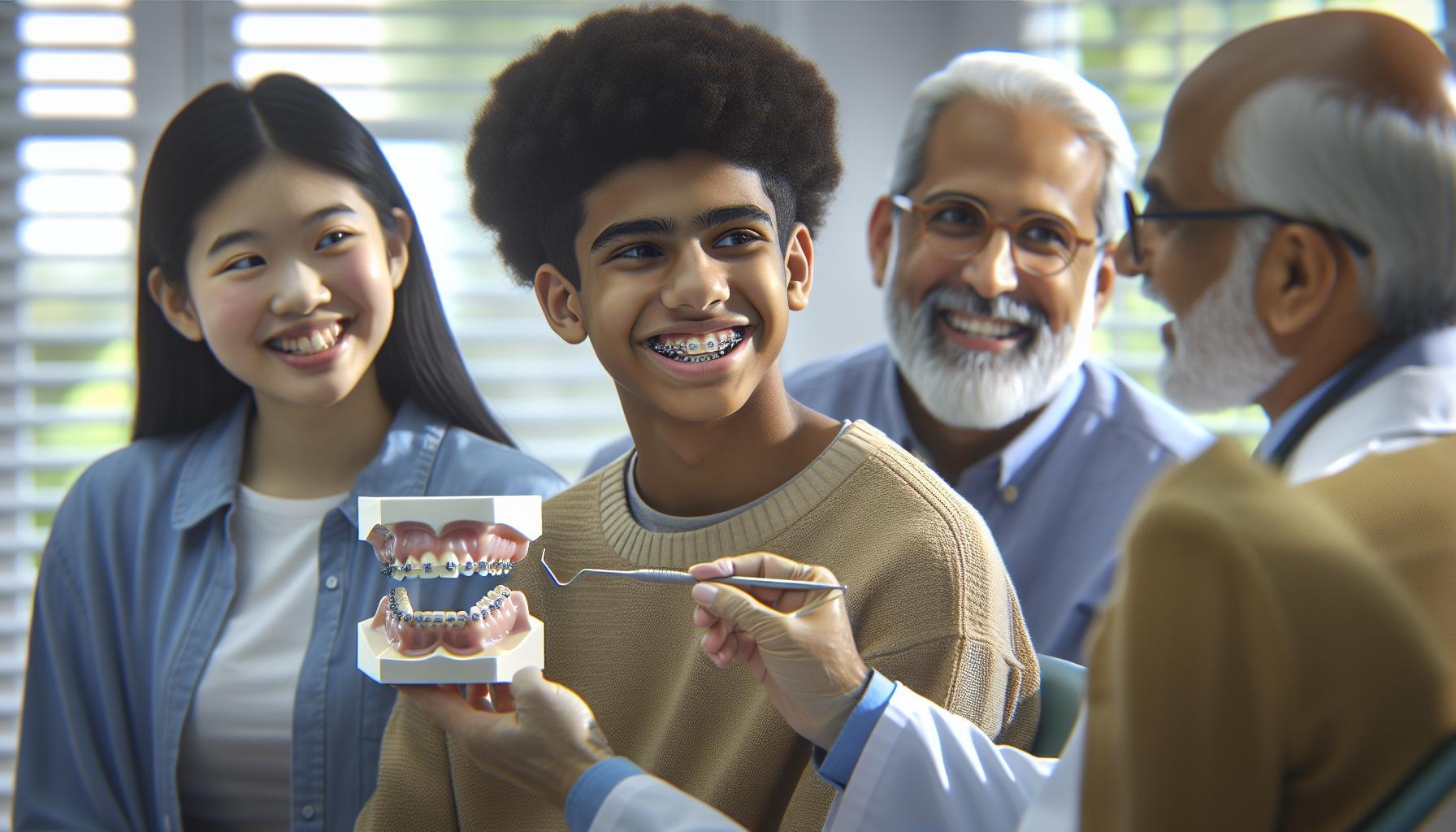
Did you know that the average time most people wear braces ranges from one to three years? Understanding the timeline for braces can not only help manage your expectations but also ease any anxiety you may feel about the process. Many patients wonder, “How long will I have to endure this?” and “What can I do to speed things up?”
In this article, we’ll dive into the factors that influence the duration of orthodontic treatment, including age, the severity of dental issues, and the type of braces used. By providing insights into what to expect during your orthodontic journey, we aim to empower you with knowledge, making the experience smoother and less daunting. Stick with us as we explore how to navigate your path to a healthier smile!
Understanding the Average Duration of Braces
Approximately 70% of people will require braces or aligners at some point in their life, highlighting a common journey toward achieving a confident smile. is crucial not only for managing expectations but also for ensuring a smooth orthodontic experience. Generally, the treatment time for braces can range from 18 months to 3 years, depending on various factors including age, type of braces, and the complexity of the dental issue being addressed.
Several key factors play a significant role in determining how long you’ll need braces. These include the severity of the misalignment, adherence to treatment guidelines, and the type of orthodontic appliances used. For instance, traditional metal braces often have a more standardized treatment time compared to newer options like clear aligners, which may allow for faster adjustments. Your orthodontist will help assess your individual needs, creating a treatment plan tailored specifically to you, which will ultimately influence your overall duration in braces.
Throughout your treatment, it’s essential to keep a positive mindset and regularly visit your orthodontist for adjustments. These check-ups not only allow for monitoring progress but also provide an opportunity to address any discomfort or concerns. With proper care and adherence to your orthodontist’s instructions, you can ensure that your treatment stays on track, potentially reducing the expected duration of braces. Recognizing that each smile is uniquely different can help you appreciate the journey, knowing that the end result will be well worth the wait.
Factors Influencing Your Braces Timeline
The duration of orthodontic treatment can greatly vary, and understanding the factors that influence your braces timeline can help ease any anxiety you may have. Each patient’s journey is unique, shaped by individual circumstances that orthodontics take into account when planning your treatment. The most significant factors include the severity of your dental misalignment, age, type of braces chosen, compliance with your orthodontist’s recommendations, and overall dental health.
Severity of Dental Issues
The complexity of your dental alignment problem plays a critical role in determining how long you will need braces. For instance, cases involving severe crowding, complex bite issues, or significant spacing may require longer treatment durations. In contrast, minor adjustments could potentially be resolved in a shorter time frame, possibly even with innovative solutions like clear aligners.
Age Matters
Your age may also influence braces duration. Younger patients often experience faster movement of teeth, which can lead to shorter treatment times. In adults, while teeth still move effectively, treatment can be more complex due to denser bones around the teeth. Thus, adults might find that their timelines are slightly longer.
Type of Braces
The type of braces you choose can significantly affect your braces timeline as well. Traditional metal braces tend to have a more standardized timeline, while options like ceramic braces or clear aligners may offer different advantages and limitations concerning adjustment frequency and treatment duration. For example, clear aligners can facilitate quicker adjustments due to removable trays, depending on adherence to wear schedules.
Commitment to Treatment
Your willingness to follow your orthodontist’s instructions is paramount. Compliance includes attending regular follow-up appointments, maintaining oral hygiene, and adhering to dietary guidelines. Any lapses, such as missed appointments or failure to avoid hard or sticky foods, can cause delays. Emphasizing this aspect of care is crucial to ensuring a smoother journey with braces.
Ultimately, maintaining open communication with your orthodontic provider will empower you to understand your progress and expectations. Embrace the process, knowing that each visit and adjustment brings you one step closer to the smile you envision. With careful attention to the aforementioned factors, you can navigate your treatment timeline with confidence and assurance.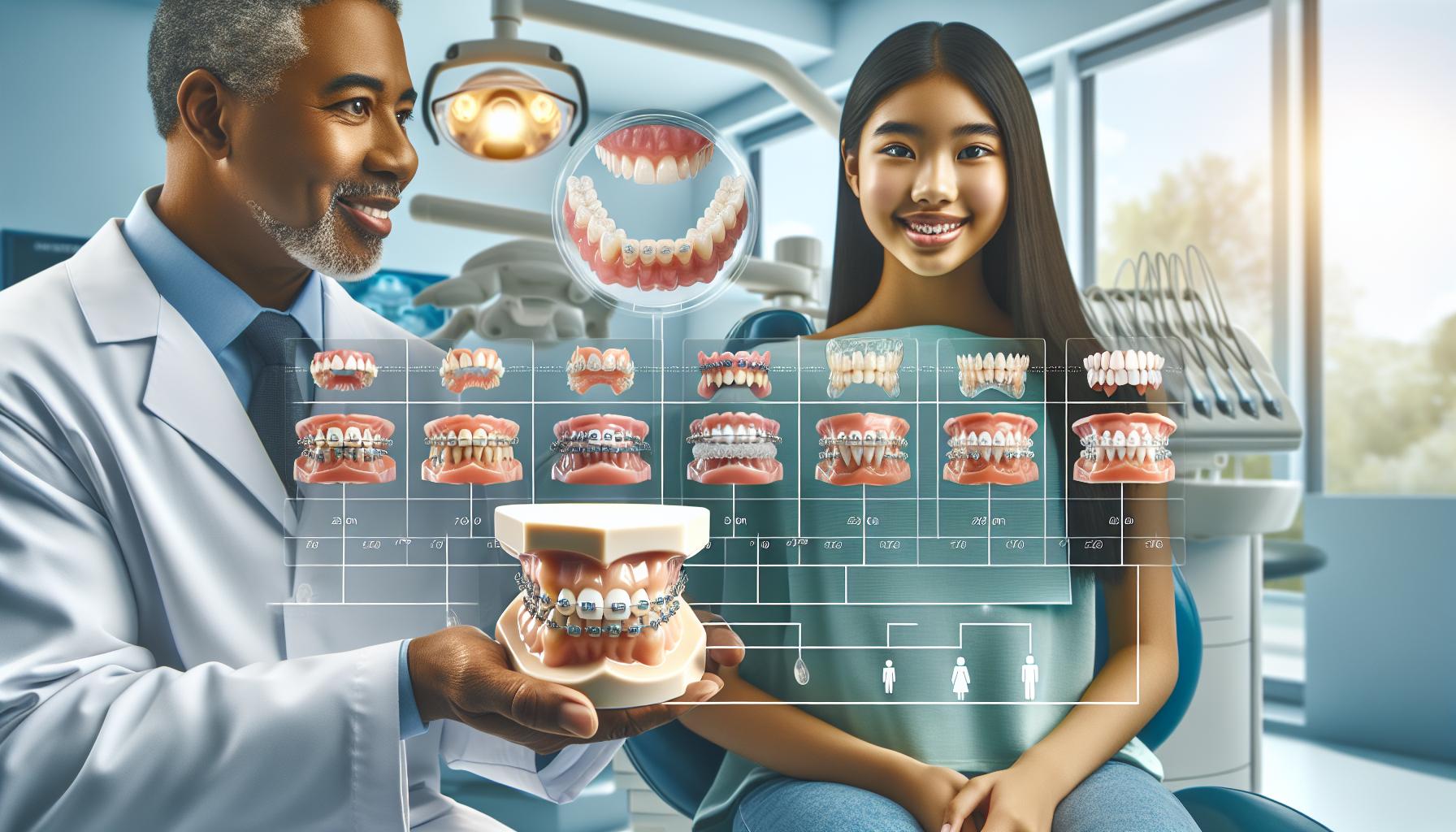
Different Types of Braces and Their Timelines
Choosing the right type of braces is crucial not just for achieving your ideal smile, but also for understanding how long you might be wearing them. Different types of braces come with their own timelines and treatment considerations that can help you effectively gauge your orthodontic journey.
Traditional metal braces are the most common option and typically require wear for about 18 to 24 months. These braces consist of metal brackets and wires, which work together to gradually shift your teeth into their correct positions. While they tend to offer the most predictable results, adjustments every 4 to 6 weeks are necessary, and patients often find that maintaining oral hygiene can be slightly more challenging due to the brackets and wires.
Ceramic braces are designed to blend in with your natural tooth color, which can make them a popular choice among adults and teens. Their timeline is similar to that of metal braces, generally around 18 to 24 months, but some patients may find that these braces take slightly longer due to their design. While less noticeable, they can be prone to staining if proper oral hygiene isn’t maintained, which underscores the importance of diligent care and regular orthodontic visits.
Clear aligners, such as Invisalign, offer a more discreet alternative and can lead to a quicker overall treatment time, usually around 12 to 18 months. They consist of a series of removable trays that guide your teeth into position. One of the key advantages is the convenience of taking them out for meals and brushing, but adherence to wearing the aligners for 20 to 22 hours per day is essential for achieving desired results. Regular check-ins are necessary to receive the new aligner sets and track progress, ensuring the treatment stays on schedule.
Regardless of the type you choose, a personalized treatment plan designed by your orthodontist will help you navigate through your specific timeline. Keeping an open dialogue with your orthodontist regarding any concerns you may have will empower you to stay informed and involved in your treatment process, ultimately leading you to the smile you desire.
What to Expect at Each Stage of Orthodontic Treatment
The journey through orthodontic treatment can feel like stepping into a new world, filled with both expectations and apprehensions. Understanding what to anticipate at each stage of your braces journey is crucial for alleviating anxiety and ensuring that you’re well-prepared for each phase of the process. Initially, when you first get your braces, there can be a sense of excitement mixed with uncertainty. You’ll leave the orthodontist’s office with your braces firmly in place, and while they may feel bulky at first, your mouth will gradually adjust to them.
Throughout the initial adjustments, it’s normal to experience some discomfort as your teeth begin to shift. This phase typically lasts a few days after application or after an adjustment appointment. You might find that over-the-counter pain relievers, such as ibuprofen or acetaminophen, can help ease any soreness. Soft foods can be your best friend during this time, so consider meals like yogurt, smoothies, or mashed potatoes. As your teeth start to move, be mindful that regular check-ups are scheduled approximately every 4 to 6 weeks. During these visits, your orthodontist will make necessary adjustments, tightening wires or replacing rubber bands, which usually causes minimal discomfort but is essential for your progress.
As you progress, you may notice the movements in your teeth becoming more pronounced. This is often the most rewarding stage, as the results of your treatment become visible. It’s important to stay engaged with your orthodontist; don’t hesitate to express any concerns you have about pain, comfort, or the appearance of your braces. Also, keep track of your oral hygiene-ensure you’re brushing and flossing diligently to prevent plaque buildup, which can lead to cavities and prolong the treatment time.
Finally, as you approach the end of your treatment, expect a period of excitement and anticipation. Regular checks will become less frequent, and discussions about what comes next, such as retainers, will start to take place. This is also a great time to celebrate your progress! Once your braces are off, you’ll enter the retention phase. Your orthodontist will provide you with information on how to properly care for your retainer, which is essential for maintaining the beautiful smile you’ve worked so hard to achieve. Remember, while the journey may have its challenges, each step brings you closer to the smile you’ve always wanted.
Managing Discomfort During Your Braces Journey
Starting your braces journey can feel overwhelming, especially with the anticipation of discomfort and adjustments ahead. It’s important to remember that mild discomfort is a normal part of the process as your teeth begin to shift into their new positions. Fortunately, there are effective ways to manage this discomfort, allowing you to progress through treatment with confidence.
One of the most effective strategies in managing pain is timely use of over-the-counter pain relievers such as ibuprofen or acetaminophen. Taking these medications shortly after your braces are adjusted can help alleviate soreness before it escalates. Additionally, incorporating soft foods into your diet during the initial days post-adjustment can make meals more comfortable. Foods like yogurt, applesauce, smoothies, or mashed potatoes are gentle on your teeth and make it easier to eat without exacerbating any pain.
Regular oral hygiene is also paramount. With braces, it’s easy for food particles to get lodged around brackets and wires, which can lead to irritation and discomfort if not cleaned properly. Floss threaders and interdental brushes are great tools to maintain cleanliness in those hard-to-reach spots. Establishing a daily routine that involves brushing after each meal and flossing diligently will help you minimize discomfort linked to plaque buildup.
Furthermore, keep an open line of communication with your orthodontist. If discomfort becomes unmanageable or you experience sharp pain at any time, don’t hesitate to reach out. Your orthodontist can make necessary adjustments that might relieve pressure or evaluate if any issues are at play. Remember, they are your partner in this journey, and their goal is for you to have a smooth and successful treatment experience. By proactively managing discomfort, you set the stage for a more pleasant braces experience overall, allowing you to focus on the end goal-a confident, beautiful smile.
Dietary Restrictions and Care with Braces
Navigating the journey with braces can initially feel daunting, especially when considering the necessary dietary adjustments. However, understanding those adjustments is crucial for not only comfort but also for the effectiveness of your treatment. Keeping certain foods at bay not only prevents discomfort but also protects your brackets, wires, and overall dental health.
During your orthodontic treatment, it’s essential to avoid any foods that are hard, sticky, or crunchy as they can damage your braces or lead to tooth decay. Examples of such foods include:
- Hard candies: These can break brackets with a single bite.
- Popcorn: The kernels can get stuck, causing irritation.
- Chewy candies: Such as caramel or taffy, which can cling to braces and lead to plaque buildup.
- Nuts: Their hardness can cause breakage.
- Raw vegetables: If you enjoy these, make sure they are cut into smaller, bite-sized pieces.
Instead, opt for softer, easy-to-chew foods that provide a nutritious option without compromising your braces. Foods such as yogurt, mashed potatoes, smoothies, and soft fruits like bananas or avocados are not only gentle on your teeth but also satisfying.
Maintaining oral hygiene while wearing braces is equally critical. Food particles can easily become lodged between brackets and wires, which may cause discomfort or lead to cavities. Following these tips will help:
- Brush after every meal: Make sure to use a soft-bristled toothbrush and fluoride toothpaste.
- Use interdental brushes: These are designed to help clean around braces and between teeth thoroughly.
- Rinse with mouthwash: This can help to clear out any lingering food particles.
By being mindful of your diet and adhering to a rigorous oral hygiene routine, you can enhance your braces experience. This proactive approach not only ensures your treatment progresses smoothly but also alleviates concerns about discomfort and potential complications, allowing you to enjoy the transformative journey toward your new smile.
The Importance of Regular Orthodontic Appointments
Regular visits to your orthodontist are crucial in ensuring that your braces treatment is progressing as planned. Each appointment is an opportunity not only to adjust the wires but also to evaluate the alignment of your teeth and the fit of your brackets. These check-ins are strategically spaced every four to eight weeks, allowing your orthodontist to carefully monitor changes and make necessary adjustments to optimize your treatment timeline.
During these appointments, your orthodontist will assess the tension of your braces, which directly influences how quickly your teeth are moving. If you miss or delay an appointment, you could extend the length of your treatment unnecessarily. It’s like a well-choreographed dance: each step needs to happen at the right time to keep everything on track. If a bracket comes loose or a wire breaks, scheduling an immediate visit becomes even more essential, as these issues can significantly affect the orthodontic process.
Additionally, these visits provide a chance for you to ask questions or voice any concerns. Whether it’s about discomfort or diet, your orthodontist can offer personalized advice to make your braces journey more comfortable. Engaging in open dialogue at these appointments empowers you to take control of your orthodontic health, ensuring you’re fully informed about your treatment plan.
To make the most of each visit, it’s wise to remember a few key points:
- Keep a calendar: Mark your orthodontic appointments to avoid missing any.
- Prepare questions: Write down any concerns or topics you want to discuss with your orthodontist.
- Follow up: If adjustments were made, be sure to follow any care instructions provided.
By prioritizing these crucial appointments, you’re not simply adhering to a schedule; you’re actively participating in the journey towards a beautiful smile. Your commitment will pay off when you finally reveal your new set of pearly whites!
How to Maintain Oral Hygiene with Braces
Maintaining oral hygiene during orthodontic treatment is crucial-not just for preventing cavities and gum disease, but also for ensuring your teeth move as intended and your treatment timeline stays on track. Did you know that proper care can significantly reduce the chances of extended wear with braces? With a few strategic practices in place, you can keep your mouth healthy and your smile bright throughout your treatment.
To effectively clean your teeth with braces, it’s essential to adapt your oral hygiene routine. Start by brushing your teeth at least twice a day, using a soft-bristled toothbrush and fluoride toothpaste. Consider using an electric toothbrush for a more thorough clean. Make sure to brush around each bracket and wire, as food particles can easily get trapped in these spaces. Flossing may seem more challenging with braces, but utilizing a floss threader or orthodontic floss can make this task easier. A water flosser can also be a great addition to your routine, helping to dislodge debris from tricky areas.
In addition to brushing and flossing, regular use of an antibacterial mouthwash can help reduce plaque buildup and freshen your breath. Make sure to rinse for the recommended amount of time to maximize its effectiveness. Remember, consistency is key-commit to your hygiene routine, and you’ll be rewarded with healthier gums and teeth.
Lastly, it’s wise to avoid certain foods that can be detrimental to your braces and oral hygiene. Sticky candies, hard foods, and anything chewy can dislodge brackets or wires, leading to potential treatment delays. By making conscientious choices in both your oral hygiene and your diet, you’re paving the way for a smoother, more successful journey with braces, all while staying confident about your smile every step of the way.
Signs That Your Treatment Is Progressing
As you embark on your braces journey, recognizing the signs of progress can bring a sense of reassurance and motivation. One of the most tangible indicators is the noticeable shift in the alignment of your teeth. While it may be subtle initially, over time you may catch glimpses of your teeth moving into their intended positions. This gradual transformation may not always trigger immediate celebration, but those small milestones-such as gaps closing or teeth becoming less crooked-are important signs that your treatment is working effectively.
Another key signal to look out for is changes in your bite. If you feel that your teeth are starting to meet differently when you chew, or if certain areas that were previously crowded now appear less so, these adjustments indicate that your orthodontic treatment is having the desired effect. Regular orthodontic appointments will help monitor these changes, so be sure to discuss your observations with your orthodontist. They can provide additional insights into what these changes mean for your treatment timeline.
Additionally, you may notice your increased ability to maintain oral hygiene. As your teeth align, brushing and flossing become more manageable, allowing for better plaque control. This improvement not only supports your oral health throughout the duration of your treatment but is also a strong indicator that your teeth are transitioning positively.
Stay attuned to any discomfort, which is common but temporary. If you experience bouts of soreness or pressure after adjustments, it usually signals that your teeth are actively moving. These sensations, while occasionally uncomfortable, are a part of the journey and a sign that the braces are doing their job. Remember, each step forward, no matter how small, brings you closer to the smile you’ve been waiting for.
In summary, by paying attention to these signs-teeth shifting, bite changes, improved hygiene and sensations of pressure-you can gain confidence that your braces are effectively working towards your orthodontic goals. Celebrate the journey and trust that every moment is contributing to your brighter smile ahead.
Post-Braces: Retainers and Long-Term Care
Completing your braces journey is an exhilarating milestone, but it’s only the beginning of a new phase in your orthodontic care. Once your braces come off, the next crucial step is using retainers to maintain that beautiful new smile. Retainers are essential for helping your teeth stabilize in their new positions as your mouth adjusts post-treatment.
The Role of Retainers
Wearing a retainer is often mandatory after braces removal. Retainers can be either fixed or removable, and they are designed to keep your teeth from shifting back to their original positions. The duration for which you must wear a retainer varies; initially, you may need to wear it full-time, gradually transitioning to just nighttime wear. It’s vital to follow your orthodontist’s specific recommendations, as everyone’s dental situation is unique.
- Fixed Retainers: These are bonded to the back of your teeth and can stay in place for several years. They offer continual support.
- Removable Retainers: These can be taken out for eating and cleaning, providing flexibility. It’s crucial to wear them as directed to prevent relapse.
Long-Term Care of Your Smile
Caring for your teeth after braces doesn’t stop with wearing retainers. Maintain your oral hygiene routine by brushing twice a day and flossing regularly, ensuring all areas around your new alignment are clean. This helps prevent decay and gum disease, which can jeopardize your investment in your smile.
Regular dental check-ups should continue every six months, during which your dentist can monitor your teeth and gum health, as well as the effectiveness of your retainer. Additionally, be mindful of your diet; limit sugary foods and drinks that can lead to decay. For those with removable retainers, cleaning them per your orthodontist’s instructions is vital to avoid bacteria buildup and maintain freshness.
Embracing the post-braces routine with enthusiasm can make the transition smoother. As you navigate this next stage, remember that your orthodontic team is there to support you. Don’t hesitate to reach out with any concerns or questions as you adjust to your beautiful new smile!
Common Myths About Braces Duration
It’s not uncommon for patients to feel overwhelmed by the duration required for braces, as misinformation can fuel anxiety and uncertainty. While many assume that braces will take years to complete, the truth is often more nuanced. The average treatment duration typically ranges between 18 months to 3 years, but this is highly individualized based on several factors.
One prevalent myth is that the type of braces you select will significantly determine treatment time. While it’s true that some options, like clear aligners, can sometimes offer faster results for specific alignment issues, the actual duration is primarily influenced by the complexity of your dental issues, your age, and how well you adhere to care instructions from your orthodontist. For instance, younger patients tend to achieve quicker results because their facial bones are still growing and adaptable.
Moreover, many believe that once the braces are on, they automatically do their job. In reality, active participation from the patient is crucial for successful treatment. Regular orthodontic appointments are essential not only for adjustments but also for monitoring progress. Patients who diligently follow their orthodontist’s recommendations will likely see faster results, contrary to the myth that braces are a set-and-forget solution.
Lastly, some might think that all braces treatments end with their removal. In fact, a significant portion of orthodontic work happens after braces come off-wearing retainers to keep your teeth in their new positions is equally vital for long-term success. Understanding these myths helps set realistic expectations, empowering patients to feel more confident about their orthodontic journey.
Understanding Insurance and Costs Associated with Braces
Navigating the financial aspects of orthodontic treatment can feel overwhelming, but understanding your options and insurance coverage can greatly alleviate stress. The cost of braces typically ranges between $3,000 to $7,000, depending on several factors, including the type of braces selected, the complexity of your case, and the duration of treatment. It’s essential to have an open dialogue with your orthodontist about expected costs and potential payment plans, allowing you to make informed decisions that align with your budget and needs.
Many insurance plans offer orthodontic coverage, but it’s often limited. While some may cover a portion of the total cost, others might exclude orthodontics altogether. Reviewing your insurance policy is crucial; check your coverage details for any caps on benefits or specific requirements for receiving reimbursement. Additionally, consider reaching out to your insurance provider directly to clarify what is included under your plan. If insurance doesn’t fully cover your treatment, there are alternative payment options, such as financing plans offered by orthodontic practices, allowing you to pay in manageable installments.
It can also be beneficial to investigate flexible spending accounts (FSAs) or health savings accounts (HSAs) if available, which can reduce your tax liability while using pre-tax dollars for medical expenses. Planning ahead and budgeting for regular visits and any additional treatments, such as retainers, can help manage your overall costs effectively. By staying informed and organized, you can turn the financial aspect of braces from a source of anxiety into a manageable part of your orthodontic journey, ultimately paving the way for a confident smile.
Faq
Q: How long does the average braces treatment last?
A: The average duration for braces treatment is typically between 18 to 24 months. However, this can vary based on individual circumstances, such as the severity of dental issues and the type of braces used. Regular orthodontic appointments can help ensure timely progress.
Q: What factors can extend the length of time I need braces?
A: Several factors can extend your braces timeline, including the complexity of your orthodontic issues, compliance with wearing elastic bands or retainers, and the frequency of your orthodontist visits. Additionally, age and dental health can also influence treatment duration.
Q: Can you shorten the time you have braces?
A: Yes, you can potentially shorten your braces duration by following your orthodontist’s instructions diligently, maintaining excellent oral hygiene, and attending all scheduled appointments. Some may also opt for accelerated orthodontic treatments, like Propel, to speed up the process.
Q: Are there faster alternatives to traditional braces?
A: Yes, there are quicker alternatives, such as Invisalign, which can sometimes achieve results in 6 to 18 months depending on the case. Other options like ceramic braces may also work faster due to reduced friction on the teeth.
Q: What can I expect during the initial month of wearing braces?
A: During the first month with braces, expect some discomfort as your teeth begin to shift. It’s normal to experience soreness, which can typically be managed with over-the-counter pain relief and soft foods. Regular adjustments typically occur every 4-6 weeks, providing progress updates.
Q: How often do I need to visit the orthodontist while wearing braces?
A: Orthodontic visits are usually scheduled every 4 to 8 weeks. During these appointments, your braces will be adjusted, and the orthodontist will assess your progress and make any necessary changes to your treatment plan.
Q: How long do I need to wear a retainer after getting braces off?
A: Post-braces, most individuals need to wear a retainer for at least 6 months full-time, followed by nightly usage for several years. This helps maintain tooth position and prevents relapse. Consult your orthodontist for personalized advice.
Q: Is it common for braces to take longer for adults compared to children?
A: Yes, it’s common for adult braces treatment to take longer than for children due to factors like bone density and the maturity of dental structures. Adults often have more complex issues that require more time to address effectively.
Concluding Remarks
As you move forward with your braces journey, remember that each moment brings you closer to a confident smile. The timeline expectations we’ve outlined provide a roadmap, but every individual’s experience can vary. If you’re eager to learn more about managing braces, check out our comprehensive guide on braces care for tips that will make your journey smoother.
Have lingering questions? Don’t hesitate to explore our FAQ section, or consider scheduling a consultation with our orthodontic specialists to discuss your specific concerns. Join our community-subscribe to our newsletter for ongoing support and insights tailored just for you. Your path to a beautiful smile is just beginning, and we’re here to support you every step of the way.