
In a world increasingly focused on appearance, many people are turning to DIY methods to achieve that perfect smile, even considering fake braces as a temporary solution. However, while the allure of a fast, cost-effective way to enhance your look is tempting, it’s crucial to understand the potential safety risks involved. This article explores how to make fake braces while highlighting essential safety warnings and health considerations.
Creating a fake brace can appear simple, but it’s vital to consider your dental health and the possible consequences of improper use. Whether it’s for a costume, a photograph, or just for fun, understanding the risks will help you make informed choices. As you delve into the creative process, we will guide you through safer alternatives and appropriate ways to achieve your desired aesthetic without compromising your dental well-being. Your smile is invaluable; let’s ensure it stays that way!
Understanding the Concept of Fake Braces
Creating fake braces is a trend that has emerged from the desire for an aesthetic change without the commitment of traditional orthodontics. The idea of using fake braces appeals to many who wish to change their appearance temporarily, perhaps for a photoshoot, costume party, or just out of curiosity. These DIY braces can mimic the metallic shine of real orthodontic appliances, providing a fun way to express one’s personality.
Many individuals are drawn to the visual impact that fake braces offer, often associating them with youthfulness and character. They can serve as a statement piece in a costume or a playful accessory among friends. However, it’s essential to understand that while fake braces might look appealing, they differ significantly from actual orthodontic treatments that are designed to improve dental health and alignment. Real braces are meticulously crafted to fit an individual’s mouth and adjust over time for safety and effectiveness.
As you explore the concept of fake braces, consider the balance between aesthetic appeal and practical health implications. The materials used in DIY fake braces can vary greatly, with some being harmless, while others may pose potential risks if ingested or improperly secured. Understanding the purpose behind these mock braces is crucial-while they can be a fun prop, they should never be considered a substitute for professional dental care. Always prioritize your well-being and consult with dental professionals if you’re contemplating any alterations to your dental appearance, even temporarily.
Materials Needed for DIY Fake Braces
To create your own fake braces, gathering the right materials is crucial to ensure a safe and effective design. Depending on your desired look-whether it’s a subtle shine or a flashy, metallic style-you’ll want to assemble a few essential supplies. Engaging in this DIY project can be exciting, and choosing the right components will help you bring your vision to life while keeping safety in mind.
Start by collecting the following materials:
- Bendable Wire: Thin, craft wire works well for shaping the braces. Aluminum wire is flexible and can mimic the effect of traditional orthodontic wire.
- Colored Craft Paper or Foil: Use paper or shiny foil to create the brackets and other decorative elements. Metallic colors can produce a more authentic appearance.
- Adhesive Putty or Dental Wax: These materials are useful for securing the fake braces temporarily when you wear them. Ensure that they are safe for oral use.
- Scissors: A good pair of scissors is essential for cutting the wire and paper into the desired shapes.
- Markers or Paint: To add personal touches, you might want colored markers or paint to decorate your fake braces further.
Before you start assembling, think about the comfort and safety of your design. Ensure that nothing is sharp, and that all materials used are non-toxic. It’s also wise to test any adhesive against your skin first, to avoid any unexpected allergic reactions. With these materials gathered, you’re well on your way to crafting authentic-looking fake braces for cosplay, a themed party, or a fun photoshoot. Remember to enjoy the process and get creative!
Step-by-Step Guide to Making Fake Braces
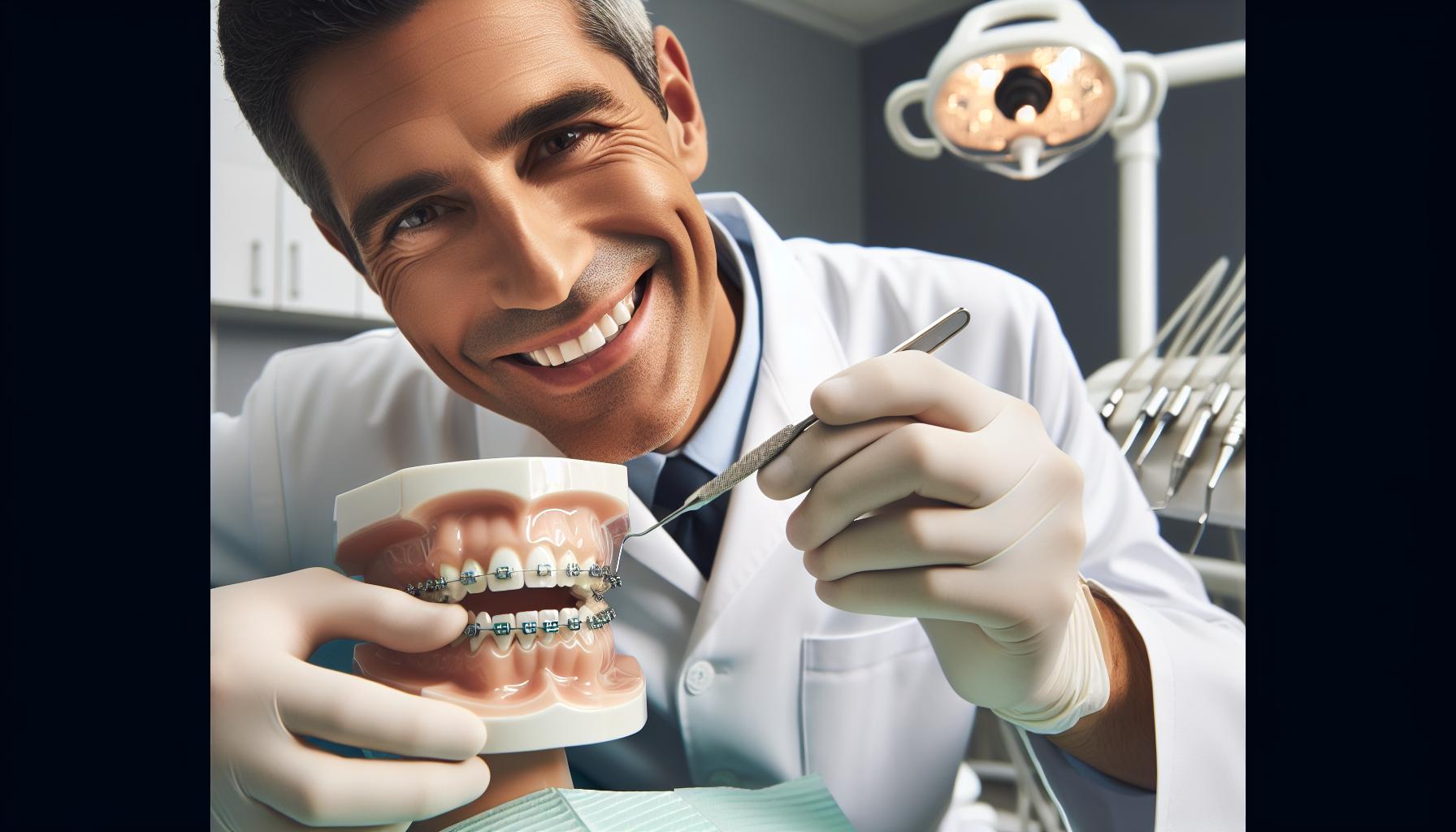
Creating fake braces can be a fun and creative project, perfect for themed parties, cosplay, or Halloween. This step-by-step guide will help you construct your own fake braces safely, ensuring you achieve a realistic look while keeping comfort in mind.
Begin by measuring and cutting your bendable wire to fit around your teeth. Typically, you want a piece long enough to wrap securely around the front of your teeth without being too tight. For added detail, cut additional smaller pieces of wire for the brackets. Once you have your pieces, shape the wire into a rounded, bracket-like form. This is where your creativity can shine-consider using multiple wires to create styles similar to real braces.
Next, prepare the colored craft paper or foil. Cut small rectangles that will represent the brackets and carefully wrap them around the shaped wire. Use adhesive putty or dental wax to temporarily attach these brackets onto your teeth. Ensure the attachments are snug but not too tight to avoid discomfort. To secure the wire and enhance the overall design, consider adding more decorative elements with markers or paint, giving your fake braces a personal touch.
Remember to periodically check the fit of your braces as you wear them; they should feel comfortable and not cause irritation. If you experience any discomfort, it’s important to adjust the design. After you’ve finished your design, enjoy showing off your new look, but also remove the braces before eating or drinking to maintain hygiene and prevent any potential damage to your mouth. This creative project encourages you to experiment while prioritizing safety and comfort!
Potential Risks and Health Concerns
Creating fake braces can be alluring for special occasions, but there are that come with their use. While this DIY project can be fun, it’s essential to take the implications seriously to ensure safety and prevent oral health issues. The mouth is a sensitive area, and introducing foreign objects, even for decorative purposes, can lead to complications.
First and foremost, irritation and injury can arise from poorly fitted fake braces. If the DIY braces are too tight, they could cause discomfort, sores, or even damage to the gums and teeth. The material used, such as wire or adhesives, might not be safe for long-term contact with oral tissues. Therefore, ensuring that all components are non-toxic and safe for use in the mouth is crucial. Moreover, there is a risk of the braces coming loose and causing choking incidents, especially in active environments or during social events.
Another concern is the potential for obstructing normal oral hygiene. Fake braces can trap food particles, making it challenging to maintain good oral care. This can increase the risk of plaque buildup, tooth decay, and gum disease. Therefore, it’s vital to remove fake braces before eating and to pay close attention to oral hygiene while wearing them.
Lastly, wearing fake braces could inadvertently lead to a false sense of security with regard to dental health. It’s essential to remember that these are not a replacement for actual orthodontic care, which adjusts teeth alignment and promotes proper bite, unlike makeshift alternatives that could lead to further dental complications. Always prioritize comfort and safety when engaging in creative projects that involve your mouth!
Safety Precautions While Using Fake Braces
Creating fake braces can be a fun way to enhance your appearance for a special occasion or theme, but it’s imperative to prioritize safety in every aspect of your DIY endeavor. Understanding the potential risks and taking necessary precautions can ensure that your experience remains enjoyable and free of health complications. Here are some essential safety tips to consider when using fake braces.
First, make sure to use non-toxic materials specifically designed for use in the mouth. Opt for orthodontic-grade wax, silicone, or even dental adhesives that are intended for temporary applications. Avoid using materials that are not biocompatible, as they can cause allergic reactions or irritation. It’s also critical that all components are sanitized properly before use to prevent introducing harmful bacteria into your mouth.
Another vital precaution is to ensure that the fake braces fit properly. Poorly fitted braces can cause discomfort, sores, and even damage to your gums and teeth. Before wearing them for an extended time, spend a moment adjusting them to ensure a snug but comfortable fit. Here are some additional tips to maintain safety:
- Limit Wear Time: Avoid wearing fake braces for long periods to reduce the risk of irritation and allow your mouth to breathe.
- Remove During Meals: Always take the fake braces out before eating to maintain proper oral hygiene and prevent food particles from getting trapped.
- Fire Awareness: Be cautious with any decorative elements that might be flammable, especially during events where there may be candles or open flames.
- Monitor for Signs of Discomfort: Check for any signs of irritation or discomfort regularly. If you experience pain or notice any swelling, remove the braces immediately and consult a dental professional.
By following these guidelines, you can minimize the risks associated with DIY fake braces and still enjoy the playful look they provide. Remember, while they can add flair to your appearance, they are not a substitute for proper dental care and should be used with caution. Your dental health should always be a priority, so if in doubt, consider consulting with a dental professional before proceeding with your fake braces project.
Alternatives to DIY Fake Braces
For those looking to achieve the aesthetic of braces without the DIY approach, several alternatives can provide a similar effect while prioritizing safety and comfort. Professional options are available that ensure both a polished appearance and appropriate use of materials designed for oral health.
Orthodontic Wax and Temporary Removable Braces
A popular alternative is to use orthodontic wax, which orthodontists recommend for individuals with braces. This wax can be molded and applied to teeth to give the illusion of braces without the risks associated with DIY materials. Additionally, some companies offer decorative clips or overlays that mimic the look of braces and can be removed easily. These options not only enhance your look but also allow for easy maintenance and removal without affecting your oral health.
Cosmetic Dental Procedures
If you’re seeking a more permanent solution without actual braces, cosmetic dental procedures may be appropriate. Some dentists provide options like dental veneers or invisalign, which can align and enhance your smile without traditional braces. While these options might be more costly, they are typically safe and performed by professionals, providing long-term benefits to your oral health.
Stick-On Tooth Gems and Bracelets
For those looking to add flair without risking health, consider stick-on tooth gems or charm bracelets that give a “braced” look. These options are non-invasive and can be a fun way to express your personal style without the complications associated with DIY creations.
In sum, while the allure of DIY fake braces is understandable, numerous safe and effective alternatives can help you achieve that desired look. Opting for professionally designed products not only enhances your appearance but also supports your overall dental health, allowing you to enjoy your playful style worry-free. Always consult with a dental professional to explore the best options tailored to your needs.
How to Remove Fake Braces Safely
Removing fake braces can seem daunting, but with the right approach, you can do it safely and effectively. Whether you’ve used DIY materials like metal wires and rubber bands or decorative clips meant to simulate braces, it’s crucial to ensure you don’t damage your teeth or gums in the process. The key is to be gentle and methodical.
Start by gathering your removal tools. You’ll need a soft toothbrush, dental floss, and optionally, some warm salt water for rinsing afterwards. It’s best to tackle the removal in a well-lit area where you can clearly see your teeth, preferably in front of a mirror. If you’ve used adhesive or any sticky materials, the removal process may require a bit more care.
When you’re ready to begin, take a deep breath and be patient with yourself. Start with the rubber bands or clips, if applicable. Carefully stretch them to relieve tension before gently pulling them away from your teeth. If you’ve used a more rigid material like wire, use a soft toothbrush to carefully manipulate and pry the fake braces away, moving slowly to avoid discomfort.
After you’ve successfully removed everything, rinse your mouth with warm salt water. This helps soothe your gums and will wash away any residues that might have been left behind. Finally, use dental floss to clean between your teeth, removing any lingering bits of adhesive or material.
If at any point you experience discomfort, it’s advisable to consult with a dental professional. They can provide guidance and help ensure that your oral health remains intact. Remember, while the appearance of braces can be fun, maintaining your natural smile is what truly counts.
Impact of Fake Braces on Oral Health
The allure of fake braces often stems from their ability to transform a smile quickly and inexpensively, but this trendy choice could lead to significant consequences for oral health. Understanding the implications of using DIY fake braces is crucial, as these products can pose various risks such as misalignment of teeth, gum irritation, and even long-term dental damage. Without the professional guidance that conventional braces provide, individuals may inadvertently worsen their dental issues rather than improving them.
Improperly fitted or poorly constructed fake braces can create pressure points that lead to discomfort or pain. This pressure can cause shifting teeth – a process that may seem harmless at first but can ultimately disrupt the alignment achieved by previous orthodontic work. Additionally, materials used in DIY fake braces may not be sterile, increasing the risk of oral infections. For example, applying rubber bands without a thorough understanding of dental anatomy can lead to swollen gums or even periodontal disease if the bands cause gum recession.
Furthermore, using fake braces may give a false sense of dental problem management. While they may provide temporary aesthetic appeal, they do not address underlying issues like tooth crowding or displacement. As a result, individuals may prolong necessary dental treatments, potentially leading to more severe complications that require extensive intervention down the line. Thus, while they may seem like a fun cosmetic choice, the potential cost to oral health makes it essential to reconsider the use of DIY fake braces.
To preserve your smile and overall dental health, it is advisable to consult with a dental professional before attempting any DIY solutions. They can provide tailored advice and alternatives that align with your aesthetic goals while ensuring that your oral health remains the top priority.
Legal Considerations Around Fake Braces
The popularity of fake braces can sometimes overshadow the complexities of their legal implications. While some may view DIY fake braces as a harmless trend or a fun way to enhance their smile, it’s essential to recognize that creating or using these contraptions can lead to various legal issues, especially if they cause injury or dental damage. In many jurisdictions, practicing dentistry without a license is illegal, and this includes the installation of braces, even if they are intended for cosmetic purposes. Engaging in the creation of fake braces, especially if they result in injury, could expose individuals to liability for damages, including medical costs or compensatory claims from those adversely affected.
Consumer Protection and Product Safety
When it comes to DIY fake braces, consumer protection laws play a significant role. Products designed for alteration or makeshift dental solutions aren’t typically regulated or tested for safety and effectiveness. This opens the door for potential claims of false advertising or misrepresentation if a product is marketed with claims that it can safely alter a person’s dental appearance. Furthermore, if a DIY method results in an injury due to manufacturing defects or unsafe materials, the user could have grounds for seeking damages against the supplier or the manufacturer.
Understanding Local Laws
Prior to attempting to create or use fake braces, it’s prudent to understand the local laws and regulations surrounding dental practices and product safety. Here are a few key considerations:
- State Dental Boards: Most states have dental boards that regulate the practice of dentistry, including functional and cosmetic procedures. Check with your local board to understand the specifics in your region.
- Liability Insurance: If you suffer harm from DIY braces, obtaining compensation can be challenging without proper liability coverage to cover any potential damage.
- Health Codes: Many areas have health codes that may come into play if the DIY process introduces unsanitary conditions or health risks.
Making informed decisions about dental cosmetic procedures, including so-called DIY solutions, helps safeguard not only your health but also your legal standing. Engaging with a licensed dental professional can provide clarity on safe and legal options tailored to your aesthetic needs, effectively mitigating the risks associated with unregulated practices.
Common Misconceptions About DIY Braces
While many might assume that DIY fake braces are a fun way to temporarily change their appearance or mimic the look of traditional braces, the reality is often far more complicated and potentially harmful. A common misconception is that these makeshift devices are entirely safe and without risk. However, it’s crucial to understand that such unregulated products can lead to serious oral health issues, including misalignment of teeth, gum damage, and even infections. Just because someone showcases successful results online does not mean that similar outcomes are guaranteed for everyone.
Another misunderstanding is that DIY braces can actually straighten teeth, similar to legitimate orthodontic treatments. In truth, professional braces are carefully designed and applied under the supervision of trained orthodontists who can adjust the treatment to individual needs. DIY methods lack this level of expertise and oversight. They often rely on materials that aren’t meant for dental use, leading to discomfort and possible harm. For instance, rubber bands, wires, or other household items can cause irritation or displacement of teeth rather than achieving the desired effect.
It’s also falsely believed that DIY fake braces are a quick and cost-effective solution. Although professional braces can be costly, they are a long-term investment in one’s dental health. The temporary allure of DIY options may appear like a budget-friendly shortcut, but the potential costs related to dental repairs and health consequences can far exceed initial savings.
Moreover, there’s a perception that once DIY braces are applied, they can simply be removed at will without any impact. In reality, improper removal can exacerbate dental issues or even cause further complications. It’s essential to recognize that the mouth is a delicate system where each tooth and surrounding tissue plays a vital role in overall health.
In light of these misconceptions, it is advisable to consult with dental professionals when considering any alterations to dental aesthetics. Professionals can provide safer, more effective options that not only achieve aesthetic goals but also maintain oral health integrity. Embracing safe practices and informed decisions is the best way to ensure a beautiful, healthy smile.
How to Maintain the Appearance of Fake Braces
The allure of fake braces can be tempting, especially for those looking to change their appearance for a special occasion. However, maintaining their appearance is essential to avoid unwanted attention or discomfort. Caring for your DIY fake braces requires attention and routine to ensure they remain visually appealing while minimizing any potential risks to your oral health.
To keep your fake braces looking their best, it’s important to focus on cleanliness. Regularly brush them gently with a soft-bristled toothbrush and a non-abrasive toothpaste. This helps prevent staining and buildup of plaque, which can be unsightly and unhealthy. Additionally, flossing around the braces is crucial; using a floss threader can help maneuver between any gaps, ensuring that food particles and debris don’t become trapped.
Tips for Maintaining the Appearance of Fake Braces:
- Regular Cleaning: Brush your fake braces after meals to keep them free of food particles.
- Avoid Certain Foods: Sticky, hard, or overly chewy foods can loosen or damage the braces.
- Use a Retainer Case: When not wearing your fake braces, store them in a protective case to prevent breakage.
- Inspect for Damage: Regularly check for any loosening or damage to the braces; if something feels off, consider adjustments.
When applying fake braces, it also helps to use materials that mimic the look of orthodontic devices but are less likely to cause issues. For example, using breathable, dental-safe materials can reduce the risk of irritation and enhance comfort. Moreover, opting for colors that blend with your natural teeth can create a more seamless appearance.
Ultimately, while the aim is to maintain a stylish look, remember that comfort and safety should always be prioritized. If you experience any discomfort or sensitivity, it’s advisable to remove the fake braces immediately. Educating yourself about the materials used and how they might affect your oral health can lead to more informed choices and a better overall experience.
Q&A
Q: What are the risks of making fake braces at home?
A: The risks of making fake braces at home include potential damage to your teeth and gums, increased risk of infection, and misaligned bites. Fake braces can also trap food and bacteria, leading to oral health issues. Ensure to read the “Potential Risks and Health Concerns” section for more detailed information.
Q: Can fake braces cause long-term dental problems?
A: Yes, fake braces can lead to long-term dental problems, including misalignment of teeth, gum irritation, and heightened sensitivity. If you’re concerned about oral health impacts, consider exploring safer alternatives discussed in the article.
Q: How can I safely use fake braces for a costume?
A: To safely use fake braces for costumes, ensure they are made of non-toxic materials, avoid prolonged wear, and do not eat while wearing them. Always follow the “Safety Precautions While Using Fake Braces” guidelines to minimize risks.
Q: What materials should I avoid when making fake braces?
A: Avoid using metal wires or materials that can break or cause injury. Materials like adhesive putty and plastic strips are safer choices. Refer to the “Materials Needed for DIY Fake Braces” section for suitable options.
Q: How do fake braces differ from real braces in terms of purpose?
A: Fake braces are generally used for cosmetic purposes, such as costumes or fun photos, while real braces are intended for aligning and straightening teeth for health reasons. The article elaborates on these differences in the “Understanding the Concept of Fake Braces” section.
Q: What legal considerations should I be aware of regarding fake braces?
A: Legal considerations include avoiding misrepresentation and ensuring that fake braces are not claimed to be real or used in a way that causes harm. Explore further in the “Legal Considerations Around Fake Braces” section for comprehensive information.
Q: How can I remove fake braces without damaging my teeth?
A: To remove fake braces safely, gently peel them off starting from the edges, ensuring not to tug or pull. It’s best to consult the “How to Remove Fake Braces Safely” section for detailed instructions and tips for safe removal.
Q: What are the common misconceptions about DIY fake braces?
A: Common misconceptions include believing that DIY fake braces can provide dental benefits or that they are completely safe. For clarity on these misconceptions, refer to the “Common Misconceptions About DIY Braces” section.
Closing Remarks
Now that you’ve explored the risks and warnings of creating fake braces, it’s essential to prioritize your dental health and make informed choices. Remember, while DIY solutions may seem appealing, nothing beats professional care. For a deeper understanding of oral health, check out our articles on safe alternatives to braces and essential tips for maintaining a bright smile.
Don’t hesitate! Engage with us by sharing your thoughts or questions in the comments below, and consider subscribing to our newsletter for more valuable content. Your journey to a healthier smile begins here-take the next step today!