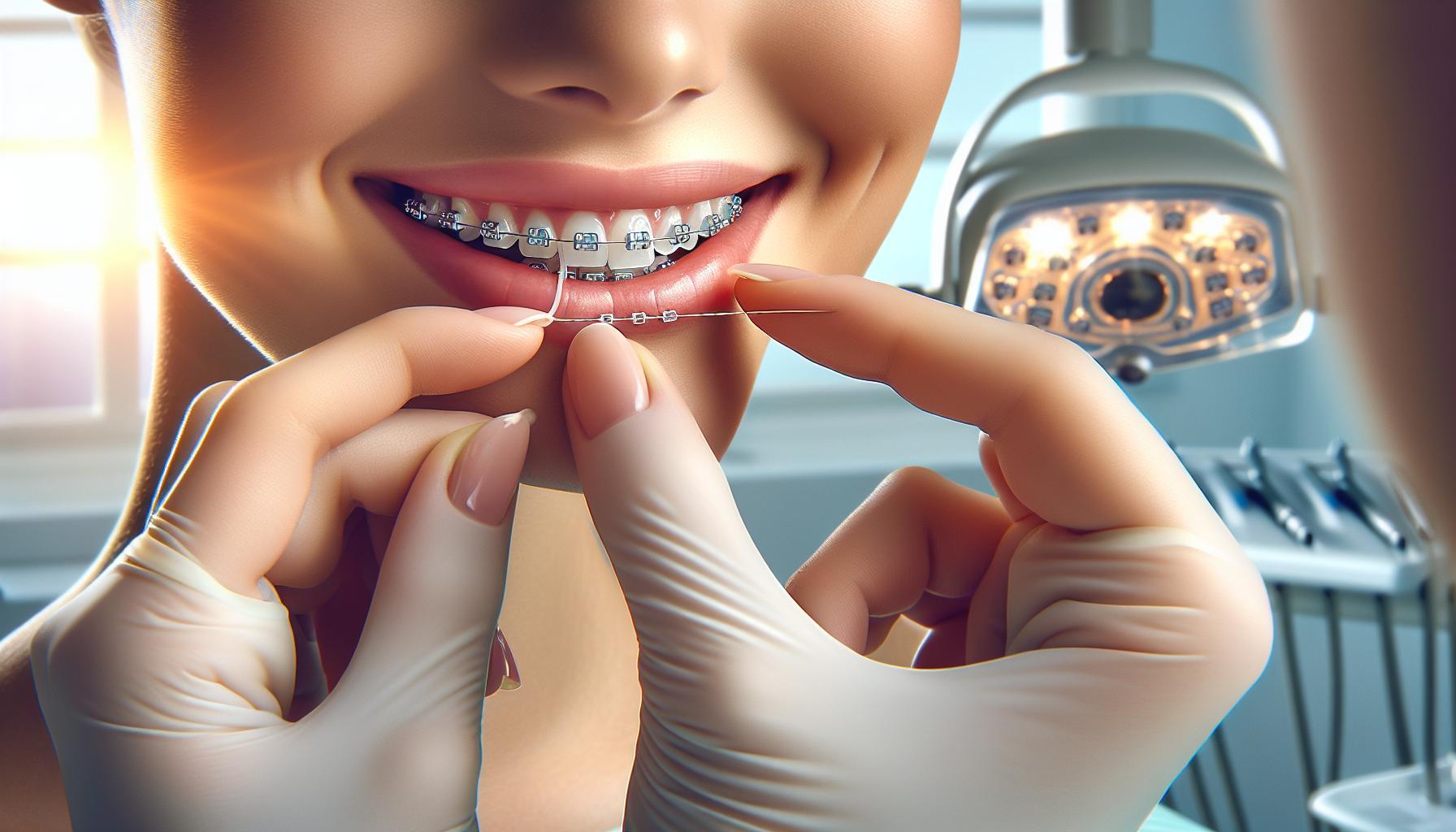
Did you know that using elastics correctly can significantly enhance the effectiveness of your braces treatment? Many patients face challenges when it comes to putting on elastics, yet mastering this simple technique is crucial for achieving that perfect smile. Whether you’re a beginner or need a refresher, understanding how to properly apply elastics can alleviate discomfort and ensure your orthodontic journey stays on track.
In this guide, we will walk you through the proper technique for putting on elastics, addressing any concerns you may have along the way. Many patients often worry about discomfort or making errors that could delay their progress. By learning the correct method, you can confidently manage your treatment and contribute positively to the alignment of your teeth. Keep reading to discover step-by-step instructions that will empower you to effectively use elastics and enhance your orthodontic experience.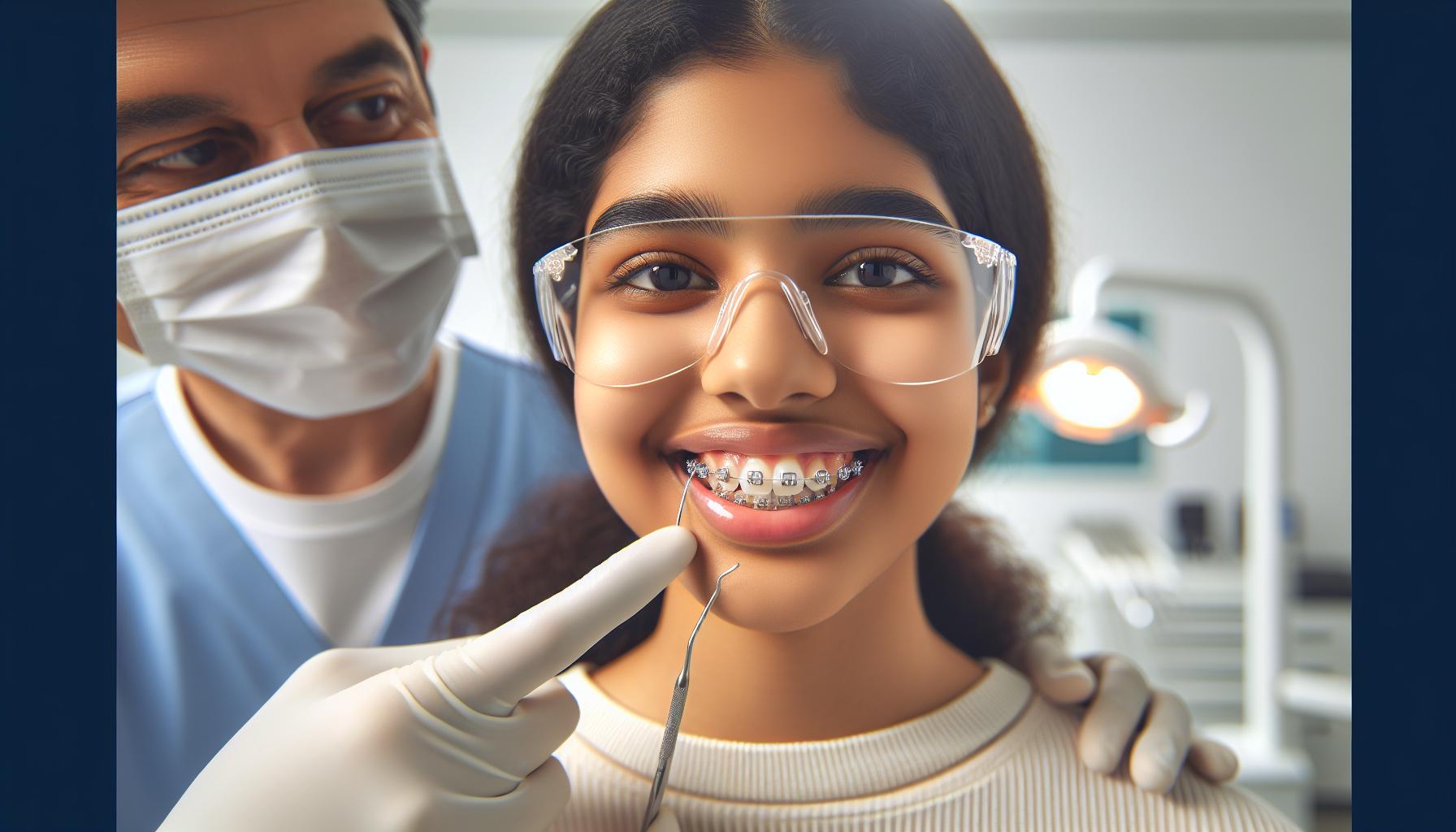
How Elastics Work in Orthodontics
Elastic bands, commonly referred to as elastics, play a crucial role in orthodontic treatment by aiding in the proper alignment of teeth and the correction of bite issues. These small but mighty bands exert a gentle force that helps shift teeth into their desired positions, ensuring that the treatment progresses as planned. The various styles of elastics, including class elastics and interarch elastics, are strategically used to correct specific jaw and tooth placements. Understanding how these elastics function not only aids in appreciating their importance but also enhances patient compliance during the treatment process.
Elastics work by connecting different components of your braces, such as brackets and wires, or connecting your upper and lower teeth. This connection allows the orthodontist to apply force over time, guiding your teeth into alignment. The elasticity of the bands allows for a balance between flexibility and resilience, which is essential for effective tooth movement without causing undue discomfort. It’s important to replace elastics as directed since worn or stretched bands will lose their effectiveness, delaying your treatment progress.
Moreover, the application of elastics can be a source of anxiety for many patients. Rest assured that using elastics is a normal and simple part of orthodontic treatment. Many patients report that after a brief adjustment period to the feeling of wearing elastics, they adapt quickly and often find the force gentle and manageable. Regular communication with your orthodontist will ensure that any concerns you have about the process are addressed promptly, helping you stay on track towards achieving your best smile.
Choosing the Right Type of Elastics
for your orthodontic treatment is crucial to achieving a successful outcome. With various styles designed for specific alignment needs, understanding which elastics to use can significantly impact your overall treatment experience and effectiveness. There are generally three main categories of elastics: class elastics, interarch elastics, and vertical elastics. Each serves a unique function based on the alignment needed for your teeth and jaw.
Class elastics, often referred to as interarch elastics, are used to correct bite issues by connecting upper and lower brackets. These elastics can be worn in different configurations, depending on the desired outcome. For example, if you have an overbite, you might be instructed to wear elastics that pull your upper teeth back and your lower teeth forward to achieve a more balanced fit. Selecting the correct configuration as directed by your orthodontist is essential for facilitating the desired tooth movement efficiently.
When choosing elastics, it’s also important to consider the strength of the bands. Elastics come in various thicknesses, each providing different levels of resistance. Thicker elastics exert stronger forces, which may be required for specific cases, while lighter elastics may be used for less pronounced adjustments. Always follow your orthodontist’s recommendations on which type to use, as they will tailor your treatment based on your unique dental needs.
Many patients express anxiety about incorporating elastics into their routine; however, understanding their purpose can help ease this concern. Knowing that these small bands are key players in the roadmap to your perfect smile can provide encouragement. Additionally, keeping a positive mindset while adjusting to wearing them regularly will enhance compliance and ultimately lead to a quicker resolution of orthodontic issues. Remember, no question is too small or concern too minor; feel free to discuss any apprehensions with your orthodontist during your consultations for reassurances-that’s what they are there for!
Step-by-Step Guide: How to Apply Elastics
Applying elastics to your braces may seem daunting at first, but by following a systematic approach, you can master the technique quickly and comfortably. Properly applied elastics help in correcting your bite and ensuring your orthodontic treatment progresses smoothly. Here’s a simple step-by-step guide to help you put on your elastics correctly.
Start by gathering your materials. You’ll need a mirror, your elastics, and potentially a pair of tweezers if required, though most people can apply elastics with their fingers comfortably. Begin by ensuring your hands are clean and dry to avoid any bacteria transfer. A clean workspace helps you feel more confident as you prepare to apply your elastics.
Next, position yourself in front of a mirror to get a clear view of your mouth. Identify the specific hooks or brackets where your orthodontist has directed you to attach the elastics. These may vary based on your treatment plan, so refer to any provided diagrams or instructions from your orthodontist. Hold the elastic by its looped ends, stretching it slightly for easier application.
Now, gently hook one end of the elastic onto the designated bracket on your upper teeth, followed by attaching the other end to the corresponding bracket on your lower teeth. Ensure that the elastic sits snugly but isn’t overly tight. Check that it’s positioned correctly by observing your bite in the mirror; the elastic should not obstruct your mouth or cause discomfort.
Lastly, take a moment to double-check the placement and feel of the elastics. If they feel too loose or too tight, don’t hesitate to adjust them for comfort. Once satisfied, you’re all set! Remember, wearing your elastics as prescribed by your orthodontist is crucial for achieving your desired results more efficiently. If you encounter any challenges or have questions, reach out to your orthodontist for support-they’re there to help ensure your journey to a beautiful smile is as smooth as possible.
Common Mistakes When Putting on Elastics
Applying elastics to your braces is an essential part of orthodontic treatment, but it’s easy to make mistakes that can hinder your progress. Being aware of common pitfalls can help ensure you effectively use elastics and get the most benefit from them. One frequent error is attaching elastics to the wrong brackets. Each elastic has specific points of connection based on your treatment plan, so it’s crucial to follow the instructions provided by your orthodontist. Always double-check your hookup points before securing the elastics to avoid any misalignment issues.
Another common mistake is using the wrong type of elastic. There are various elastics with different thicknesses and stretching capabilities, each designed for specific purposes, such as correcting overbites, underbites, or spacing issues. Not adhering to the recommended type can result in inadequate treatment and prolong your braces journey. Consult your orthodontist for clarification on which elastics are appropriate for your situation, and ensure that you’re using them consistently.
Improper tension adjustment is yet another area where patients often falter. Elastics should be tight enough to provide the necessary force but not so tight that they cause significant discomfort or pain. Finding the right balance can be tricky; too much tension can lead to issues like jaw pain, while too little might not produce the desired corrective results. It’s essential to monitor how your elastics feel and make adjustments based on your comfort level and guidance from your orthodontist.
Finally, neglecting to change elastics as directed can delay your treatment. Elastics can lose their elasticity over time, reducing their effectiveness. Setting a reminder to change your elastics will help keep your treatment on track and ensure that you are making consistent progress. Remember, every little detail matters when it comes to achieving your perfect smile, so take the time to apply your elastics correctly, and don’t hesitate to reach out to your orthodontist if you have any questions or concerns.
Tips for Proper Elastic Tension Adjustment
Finding the right tension for your orthodontic elastics is crucial for effective treatment. Proper tension helps ensure that your teeth move in the intended direction, while also keeping discomfort to a minimum. It’s natural to feel uncertain about how tight your elastics should be; after all, you want them to work effectively but not cause pain. Here’s how to navigate this delicate balance and make the most out of your elastics.
To begin, always ensure you’re starting with fresh elastics. Over time, elastics can lose their tension, meaning they won’t apply the necessary force to achieve your orthodontic goals. As a general rule, you should replace your elastics at least once a day, or as directed by your orthodontist. When you put on new elastics, they should feel snug but not overly tight. A good test is to see if you can open your mouth comfortably while wearing them; if you can’t, the elastics may be too tight.
Another effective strategy is to check in with your body regularly. Pay attention to any discomfort signals. If you feel significant pain, you may need to adjust the tension by repositioning the elastics. If they seem too loose and you’re not experiencing the desired tightness, ask your orthodontist if you’re using the right size or type of elastics for your treatment. It’s also important to follow your orthodontist’s specific tension recommendations for your treatment plan, as they take your unique dental needs into account.
Regularly communicate with your orthodontist about how your elastics feel. If you’re experiencing discomfort or questioning your adjustment process, don’t hesitate to bring it to their attention. They can offer personalized guidance to help you achieve the best results. Ultimately, being mindful of your elastic tension is a proactive way to support your orthodontic journey and encourage timely progress towards your ideal smile. Remember, you are not alone in this process; your orthodontic team is there to help you every step of the way.
When to Change Your Orthodontic Elastics
Maintaining the effectiveness of your orthodontic elastics is crucial for your treatment’s success. Knowing when to change your elastics can significantly affect the speed and efficiency of your progress towards that perfect smile. Over time, elastics can stretch out and lose their tension, rendering them ineffective. On average, elastics should be replaced at least once a day, or as specifically instructed by your orthodontist. By adhering to this simple guideline, you can ensure they continue to exert the necessary pressure on your teeth.
One of the easiest ways to determine if it’s time for a change is to pay attention to how the elastics feel during use. If they no longer feel snug or if you notice any visible signs of wear, it’s a clear indicator that new elastics are needed. Additionally, consider replacing them immediately after a meal or any activity that might introduce bacteria or food particles, ensuring that your orthodontic environment remains clean and effective.
It’s also essential to maintain open communication with your orthodontist regarding any discomfort or challenges you’re experiencing with your elastics. If the elastics are causing irritation or if you’re unsure whether they need replacing, don’t hesitate to reach out for advice. Your orthodontist can provide personalized recommendations based on your unique dental situation and help you make any necessary adjustments. Remember that consistent change and care of your elastics not only enhances comfort but also promotes optimal treatment outcomes.
Caring for Your Braces with Elastics
Maintaining your braces involves more than just good oral hygiene; it also requires understanding how to effectively use elastics. These small but vital components play a significant role in aligning your teeth and ensuring that your treatment progresses smoothly. Proper care of your braces, including the elastics, can significantly affect your overall orthodontic experience and outcome.
To care for your braces while using elastics, follow these important tips:
- Keep Your Mouth Clean: Regular brushing and flossing are essential. Food particles can get trapped around your braces and elastics, leading to plaque buildup. Ensure to brush your teeth after every meal and floss daily to maintain oral hygiene.
- Follow Instructions: Always adhere to the specific instructions provided by your orthodontist regarding the placement and wear time of your elastics. Different elastic configurations are designed to achieve various outcomes, so using them correctly is crucial for your smile.
- Monitor Elastic Condition: Regularly check your elastics for signs of wear or stretching. Worn elastics may not provide the necessary tension, which can hinder progress. Replace them when they show any signs of damage.
- Be Mindful of Discomfort: It’s normal to experience some discomfort when you first start wearing elastics. However, if pain persists or worsens, consult with your orthodontist. Adjustments may be needed to ensure comfort and effectiveness.
To enhance your braces journey, keep in mind the environment where your elastics will work-your mouth. It’s essential to maintain a clean, bacteria-free zone. After eating or drinking anything sugary, consider rinsing your mouth or brushing to minimize the risk of cavities and bad breath. Also, if you’re active in sports, talk to your orthodontist about the use of a mouthguard that accommodates braces, as injuries can complicate your orthodontic treatment and potentially damage your elastics.
is a straightforward process, but it requires diligence and attention. With the right practices, you can ensure your treatment remains on track toward achieving that beautiful smile you desire. Keeping a positive mindset and communicating openly with your orthodontic team will help you navigate any concerns during your treatment. Remember, every small effort counts in the journey to your perfect smile!
Troubleshooting: What If Your Elastics Break?
The frustration of a broken elastic can throw a wrench in your orthodontic progress, but it’s essential to keep calm and know exactly what steps to take next. Broken elastics can hinder the alignment process, so addressing this promptly is crucial for maintaining the effectiveness of your treatment. When an elastic breaks, the first instinct is often one of anxiety-wondering if this will delay your progress or require an unscheduled visit to the orthodontist. The good news is that with a few straightforward tips, you can effectively troubleshoot this common issue and keep your treatment on track.
If you experience a broken elastic, start by removing the remaining piece from your braces, if any. Use a clean pair of tweezers or your fingers to carefully pull off any dangling portions. Make sure your hands are clean, as maintaining oral hygiene is paramount to prevent any bacteria from getting into your braces. Once the broken elastic is removed, put on a new one following the guidelines given by your orthodontist. This ensures that your treatment continues as planned without interruption. If you have extra elastics at home, feel free to replace the broken one immediately.
In case you find yourself without a replacement elastic, don’t panic! Contact your orthodontist’s office for advice. They may recommend waiting until your next scheduled appointment to replace it, as long as the loss does not impede your overall progress. On the other hand, if you’re in considerable discomfort or if this happens frequently, be sure to reach out; your orthodontist may want to evaluate your elastic usage and potentially make adjustments for better durability.
To avoid future mishaps with your elastics, consider some best practices:
- Avoid biting down on hard foods: Items like ice, hard candies, and tough meats can put unnecessary stress on elastics, leading to breakage.
- Check elastics regularly: Make a habit of inspecting your elastics for signs of wear or fraying, and replace them as needed.
- Pack a backup: Keep a few elastics in your backpack or purse for emergencies when you’re on the go.
Being prepared allows you to handle situations efficiently, ensuring that your focus remains on creating that beautiful smile. Remember, orthodontic treatment is a journey, and minor setbacks like broken elastics are typically solvable. Stay patient and proactive throughout your treatment process!
Understanding the Role of Elastics in Treatment Duration
Elastics play a crucial role in your orthodontic treatment, acting as the bridge between your braces and achieving that perfect smile. These small yet powerful bands apply gentle pressure to your teeth, helping to align them and correcting bite issues. Understanding how elastics affect the duration of your treatment can significantly enhance your experience. Consistent and correct use of elastics allows the orthodontist to control tooth movement more effectively, which may lead to a shorter treatment time.
When elastics are worn as prescribed, they help to maintain a steady progression throughout your treatment plan. Each set of elastics is designed for specific movements, such as correcting overbites or aligning jaws. Follow your orthodontist’s instructions carefully regarding wear times and types, as this adherence can prevent delays. For example, if elastics are not worn consistently, it can lead to slower progress that may ultimately prolong the total duration of your treatment.
To maximize the benefits of wearing elastics, consider incorporating these practices into your daily routine:
- Stick to the schedule: Make it a habit to wear your elastics at all times, except during meals and brushing, to ensure they work effectively.
- Communicate with your orthodontist: Inform your orthodontist if you experience discomfort or difficulty in wearing the elastics properly; they can provide adjustments or alternatives.
- Stay proactive: Prepare for any potential breakages by having backup elastics at hand, so you can swiftly replace them and maintain your treatment schedule.
By understanding the importance of elastics and maintaining discipline in wearing them, you can help ensure that your orthodontic journey progresses smoothly. This knowledge not only helps you stay on track but also empowers you to take an active role in your own dental care, reducing anxiety related to the treatment process. Remember, every bit of effort you invest contributes towards achieving that confident, beautiful smile you’ve been working towards!
Patient Experiences: Real Stories on Using Elastics
When it comes to wearing elastics with braces, real experiences can provide valuable insights and encouragement for those embarking on their orthodontic journey. Many patients report that their initial concerns about discomfort and the complexity of wearing elastics were quickly alleviated once they began actively following their orthodontist’s guidance. For example, Sarah, a teenager who was apprehensive about her braces, found that once she mastered the technique of applying her elastics, the process became a part of her daily routine, akin to wearing her favorite accessories. This newfound confidence not only improved her compliance but also enhanced her relationship with her treatment.
Another patient, Michael, shared how helpful it was to create a designated time each day for putting on his elastics. By turning it into a habit-such as right after brushing his teeth in the morning and evening-he experienced minimal disruption to his day. He also noted that keeping spare elastics in his backpack helped him stay on track, ensuring that any unexpected breakages wouldn’t derail his progress towards a stunning smile. Real-life adjustments like these can help bring a sense of control to the treatment process.
It’s also crucial to communicate openly with your orthodontist about any discomfort. For instance, Eliza experienced soreness in her jaw after wearing elastics for just a few days. Instead of toughing it out, she brought it up during her next appointment. Her orthodontist adjusted the type and tension of the elastics, leading to a more comfortable experience that allowed her to wear them consistently. This story highlights how proactive communication can significantly enhance your experience.
Strengthening the community of patients, stories and shared learnings abound. Connecting with fellow patients, whether through online forums or local support groups, can provide reassurance. Allowing patients to share their journeys not only builds camaraderie but ensures that you know you’re not alone in this process. Remember, every patient has their unique journey, and learning from their experiences can help you navigate your own path with greater ease and confidence.
Frequently Asked Questions About Orthodontic Elastics
It’s common for patients to have questions and concerns about wearing elastics with braces. Understanding how to effectively use elastics can alleviate anxiety and improve compliance with treatment. Here’s a breakdown of frequently asked questions.
1. What are orthodontic elastics?
Orthodontic elastics, often referred to as rubber bands, are used in conjunction with braces to aid in the alignment of teeth and jaw positioning. They apply consistent pressure on specific teeth to help them move into their desired positions over time.
2. How do I know which elastics to use?
Your orthodontist will provide a specific type and size of elastics tailored to your treatment plan. It’s crucial to follow their instructions exactly, as using the wrong elastics can hinder your progress.
3. How often should I wear my elastics?
For effectiveness, elastics should be worn for at least 20 hours a day. The only times you should remove them are during eating, brushing, and flossing. Consistency is key to achieving the best results in the shortest amount of time.
4. What if I forget to put my elastics back on?
If you forget to put your elastics on, don’t stress. Simply put them on as soon as you remember. However, try to avoid skipping applications frequently, as this can delay your treatment. Setting a reminder on your phone can help you remember.
5. How do I change my elastics?
You should change your elastics at least once a day or as instructed by your orthodontist. When changing elastics, remove the old ones carefully to avoid snapping them and put on new elastics, following the specific guidance provided.
6. Is it normal to feel discomfort while wearing elastics?
Mild discomfort is expected when you first start wearing elastics, as they put pressure on teeth. If discomfort becomes severe or persists, reach out to your orthodontist for advice. They might suggest adjusting the type or tension of the elastics to enhance comfort.
7. What should I do if my elastics break?
If your elastics break, replace them immediately with a new one. It’s helpful to keep a few spare elastics on hand for such instances. If you frequently experience breakage, consult your orthodontist for potential adjustments.
Incorporating these best practices into your routine can lead to more successful and comfortable orthodontic treatment. Always feel free to ask your orthodontist for clarification on any instructions regarding your elastics. Your orthodontic journey is a collaborative effort, and you have the power to achieve the beautiful smile you desire.
Enhancing Your Braces Journey with Elastics
Wearing elastics with braces is a crucial step in the orthodontic journey, serving as a powerful tool to achieve that perfect smile. Understanding how to enhance your braces experience with elastics can make a significant difference in both comfort and results. It’s essential to remember that while elastics may seem like a minor component of your braces, they play a vital role in aligning your teeth and jaws effectively.
To make the most of your elastics, ensure you are applying them correctly and consistently. This means following your orthodontist’s precise instructions regarding placement and usage. A common approach is to attach elastics in a specific pattern, such as connecting from the upper arch to the lower arch or across specific teeth, depending on your treatment plan. If you ever feel unsure about the application, don’t hesitate to ask your orthodontist for a demonstration or clarification. An effective way to remember to wear them is to link their usage to daily routines-try putting them on after meals or brushing your teeth.
Maintaining elastic hygiene is equally important. It’s recommended to keep a small supply of elastics at home so that you can replace them as needed. This means you should always have fresh elastics on hand to prevent any disruption in your treatment. Additionally, be mindful of your dietary choices; sticky or hard foods can lead to breakage, so it’s wise to avoid these as much as possible to ensure that your elastics last throughout the day.
Lastly, recognize that experiencing mild discomfort is a normal part of adjusting to wearing elastics. This pressure is a sign that your teeth are moving as intended. If the discomfort becomes unbearable, speak with your orthodontist who may be able to adjust your treatment plan or provide tips to alleviate any issues. Your braces journey is truly a collaborative effort, and staying informed and engaged is key to a successful outcome.
Faq
Q: How do you know if your elastics are on correctly?
A: To ensure your elastics are in the correct position, check that they form a triangle between your teeth. The hook should anchor onto the bracket, creating the appropriate tension needed for effective alignment. Refer to the “Step-by-Step Guide” section for detailed placement instructions.
Q: What should you do if your elastics are too tight?
A: If your elastics feel too tight, consult your orthodontist before making changes. They can adjust the tension by providing looser elastics or guidance on proper placement. Regular adjustments are discussed in the “Tips for Proper Elastic Tension Adjustment” section of the article.
Q: How often should elastics be changed during orthodontic treatment?
A: You should change your elastics as recommended by your orthodontist, usually every 4-6 hours or whenever they lose their elasticity. Frequent changes aid effectiveness, as noted in the “When to Change Your Orthodontic Elastics” section.
Q: Can you eat with elastics on braces?
A: It is advisable to remove elastics while eating to prevent damage and to make eating more comfortable. After eating, replace the elastics promptly to ensure continuous treatment effectiveness. Consult the “Caring for Your Braces with Elastics” section for more tips.
Q: What do you do if your elastics break?
A: If your elastics break, replace them immediately to maintain treatment progress. You can refer to the “Troubleshooting” section for practical steps on how to correctly replace broken elastics.
Q: Why are elastics important for braces?
A: Elastics are crucial as they help to align your teeth and jaws correctly, improving your bite and overall dental structure. Their role is thoroughly explained in the “Understanding the Role of Elastics in Treatment Duration” section.
Q: Are there different types of elastics for braces?
A: Yes, there are various elastics designed for specific purposes, such as class II or class III corrections. Choosing the right type is vital and can be referred to in the “Choosing the Right Type of Elastics” section of the article.
Q: How can wearing elastics help speed up orthodontic treatment?
A: Wearing elastics as directed can expedite treatment by aligning your teeth more effectively. This systematic application is discussed in the “Understanding the Role of Elastics in Treatment Duration” section, emphasizing their importance in achieving quicker results.
Feel free to explore each section for more detailed information to enhance your understanding of elastics and orthodontic care.
Wrapping Up
Congratulations on learning how to put on elastics for your braces! Mastering this technique is crucial for effective teeth alignment, and we hope you feel confident to incorporate it into your routine. If you’re still unsure about any step, don’t hesitate to check out our related articles on “Common Braces Questions Answered” and “Best Practices for Caring for Your Braces” for more insights.
Ready to take the next step? Consider signing up for our newsletter for exclusive tips and updates on dental care, or explore our product pages for orthodontic tools that can support your journey. Remember, consistent wear of your elastics will lead to the best results-make it a priority!
We’d love to hear from you! Share your thoughts in the comments below or connect with us on social media. Your feedback not only helps us improve but also encourages others in their orthodontic journey. Keep smiling and stay informed!