
Navigating dental care can be daunting, especially when considering braces alongside existing cavities. Many people are unaware that it’s possible to get braces while having cavities; however, it’s vital to address these dental concerns before starting orthodontic treatment. Understanding the correct order of treatments not only helps in maintaining your oral health but also ensures that your journey to a straighter smile is as smooth as possible.
This guide provides an insightful overview of what to expect if you have cavities and are considering braces. We’ll address common fears and questions, help clarify the steps involved, and offer practical advice on managing your dental care effectively. By the end, you’ll feel more informed and prepared to make the best choices for your dental health, setting you on the path to a beautiful, healthy smile.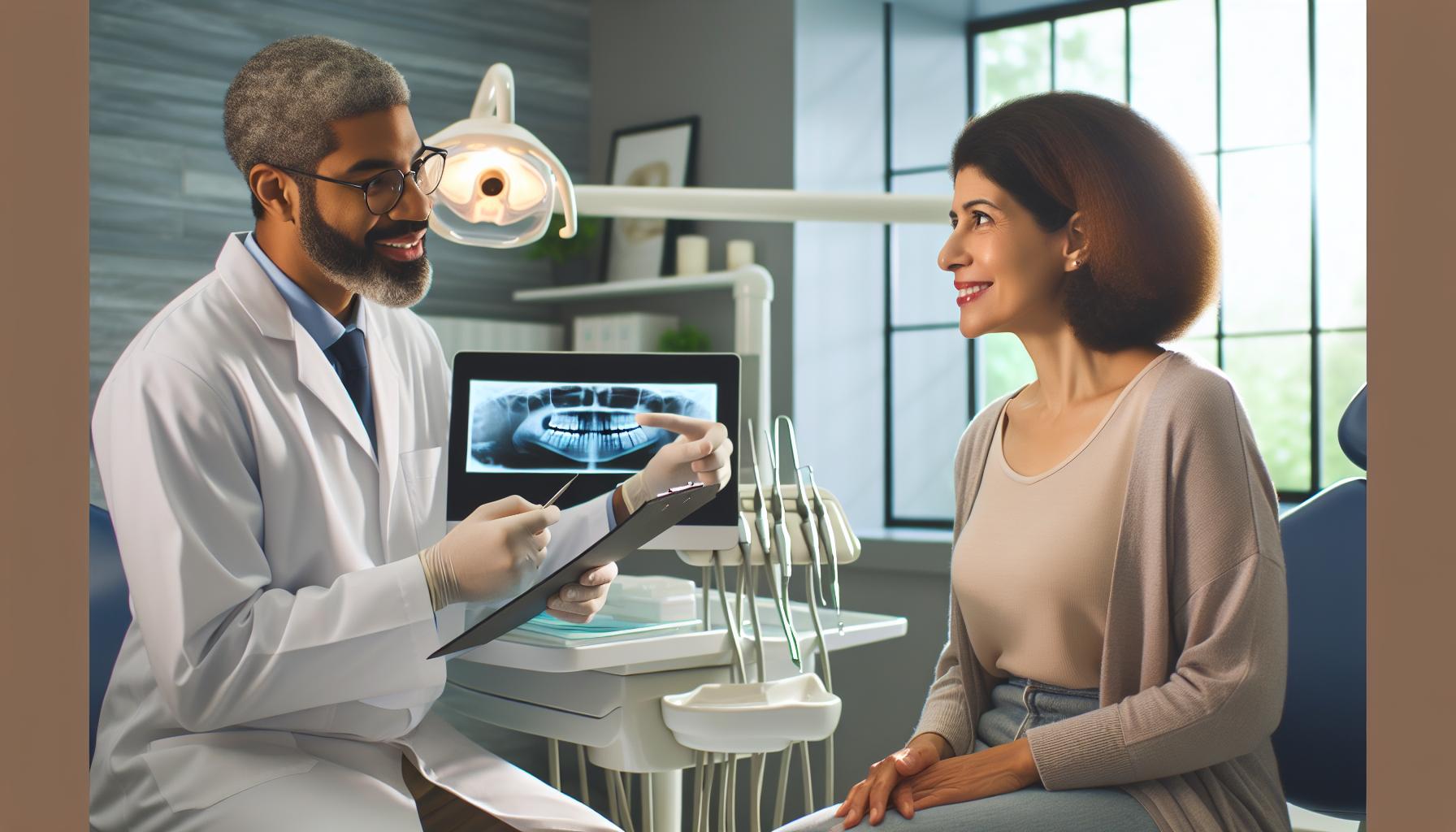
Can You Get Braces with Cavities? Understanding the Basics
While the thought of getting braces might seem daunting, especially if you have cavities, it’s important to understand the relationship between orthodontic treatment and dental health. Many patients wonder if it’s possible to receive braces while dealing with cavities, and the good news is that, in most cases, you can. However, an essential step is ensuring that your cavities are treated and managed before the braces are applied. This process is crucial not only for your oral health but also for the effectiveness of the braces.
When braces are installed with untreated cavities, the risk of further decay increases. Food particles can more easily become lodged in the brackets and wires, potentially leading to increased plaque build-up and worsened cavities. Orthodontists typically recommend that patients address any cavities first, as this ensures that the oral environment is in the best possible condition for teeth movement. The process usually involves a dental examination and, if necessary, fillings or other treatments to restore your teeth to full health.
Once you’ve addressed your cavities, you can confidently proceed with orthodontic treatment. Regular check-ups and maintaining good oral hygiene throughout your treatment will contribute significantly to the health of your teeth. Remember, braces are a commitment and require diligent care, but they also provide an opportunity to enhance your smile while prioritizing your dental health.
The Importance of Treating Cavities Before Braces
Before embarking on your journey with braces, addressing any existing cavities should be a priority. It’s not just a matter of cosmetic appeal; untreated cavities can hinder the success of your orthodontic treatment and compromise your overall oral health. When braces are applied over decayed teeth, the risk of further complications increases significantly. If not managed properly, food particles can become trapped in the brackets and wires, creating a breeding ground for plaque, which may exacerbate tooth decay and lead to more serious dental issues.
Treating cavities before braces ensures that your teeth are functionally sound and structurally stable. A thorough dental examination will help identify any decay, followed by necessary treatments such as fillings, which restore the integrity of your teeth. This foundation is crucial, as the pressure and movement induced by braces can place additional stress on already compromised teeth, potentially leading to more pain and treatment setbacks. Moreover, entering orthodontic treatment with healthy teeth enhances your chances of quicker and more effective results, allowing the braces to do their work without distractions from dental problems.
Understanding the steps involved in cavity treatment can alleviate anxiety. Typically, your dentist will first assess the situation with X-rays and then recommend a treatment plan. The actual filling process is straightforward: the decayed portion of the tooth is removed, and the cavity is filled with a suitable material that restores its shape and function. After this, a brief healing period is necessary but often involves minimal discomfort. Following your dental care plan will not only clear up any existing issues but also set you up for a smoother orthodontic experience.
To maintain optimal oral health during and after cavity treatment, consider implementing a diligent oral hygiene routine. This includes brushing twice daily with fluoride toothpaste, flossing regularly, and using mouthwash to reduce plaque. Regular dental check-ups are paramount to ensure that your teeth remain healthy throughout your orthodontic journey and beyond. By taking these proactive steps, you can ensure a successful transition to braces while preserving your dental health and paving the way for a beautiful, confident smile.
What to Expect During Cavity Treatment
When you’re facing cavity treatment, understanding the process can ease many concerns and fears. First and foremost, know that dental fillings are one of the most common procedures performed and are designed to restore your tooth’s integrity and functionality. The experience typically begins with a thorough examination of your teeth, including the use of X-rays to assess the extent of the decay. Once the problem areas are identified, your dentist will explain the procedure and anesthesia options to ensure you’re comfortable throughout the treatment.
During the actual filling process, your dentist will carefully remove the decayed portion of the tooth using a specialized dental drill. This step may sound daunting, but local anesthesia is administered to numb the area, making the process nearly pain-free. After the decay is eliminated, the cavity is filled with a suitable material-most commonly composite resin, amalgam, or glass ionomer-that matches the color of your natural teeth, providing both aesthetic appeal and durability. Once the filling is in place, your dentist may polish it to ensure a smooth finish, and they will check your bite to make sure everything feels right.
After the Filling Procedure
Post-treatment, it’s normal to experience some sensitivity to hot and cold temperatures. This typically subsides within a few days. To aid your recovery, consider these aftercare tips:
- Avoid hard or sticky foods for the first 24 hours to allow the filling to set properly.
- Maintain good oral hygiene by brushing and flossing regularly, being gentle around the filled area.
- Use over-the-counter pain relief as needed to manage any discomfort-consult your dentist if pain persists.
Understanding equips you with the knowledge to approach your dental visits confidently. Knowing that filling procedures are routine and manageable can help transform anxiety into a proactive mindset, preparing you for the essential steps toward getting braces. Remember, communicating openly with your dentist about your concerns ensures a tailored experience suited to your needs, paving the way for not just healthier teeth but a more positive dental journey overall.
The Risks of Ignoring Cavities with Braces
Ignoring cavities while planning for braces can lead to significant dental complications. When braces are placed on teeth that have decay, the brackets and wires exacerbate the situation by making it more difficult to maintain proper oral hygiene. Food particles and plaque can become trapped around the brackets, allowing bacteria to thrive in areas that are already compromised. This accumulation can increase the risk of further decay, potentially leading to more severe consequences like infection or tooth loss.
Treating cavities before getting braces is crucial not just for immediate health but also for the long-term success of orthodontic treatment. If cavities are left untreated, they can progress, turning into deeper decay that requires more invasive treatment later on. Moreover, untreated cavities may result in orthodontic setbacks; adjustments may need to be delayed, extending the duration of treatment and causing unnecessary frustration and additional costs.
To further emphasize, it is essential for patients to recognize that undergoing orthodontic treatment while dealing with untreated cavities creates a cycle of dental issues. Regular check-ups can help identify problems early and ensure that the dental structure is in optimal condition before heading into any orthodontic phase. As challenging as it may seem, prioritizing cavity treatment is a proactive step towards achieving a healthy smile that braces can enhance, rather than hinder.
Ultimately, the most effective approach is to begin any orthodontic journey with a solid foundation of dental health. By addressing cavities promptly, patients not only safeguard their immediate dental health but also pave the way for hassle-free orthodontic treatment in the future. Prioritize consultations with both your dentist and orthodontist for a tailored treatment plan that addresses cavities effectively while setting the stage for successful braces.
Can You Get Braces While Undergoing Cavity Treatment?
Can you imagine the journey to a perfect smile becoming more complicated due to untreated cavities? When considering braces, many patients wonder about the implications of having cavities during the orthodontic treatment process. While it is possible to get braces while undergoing cavity treatment, there are important factors to consider to ensure both effective orthodontic care and optimal oral health.
When you have cavities, your dental team may recommend addressing these issues before placing braces. This is primarily because braces can make it more challenging to maintain proper oral hygiene, particularly in areas where decay is present. If cavities are not treated, the bacteria can continue to thrive under the braces, leading to further decay and potential complications. Thus, it is typically best to complete cavity treatment-whether that involves fillings or additional dental work-prior to starting orthodontic treatment.
If you are in the midst of cavity treatment, your orthodontist and dentist can work together to create a timeline that accommodates both your orthodontic and dental health needs. For example, if you have fillings scheduled, your orthodontist may suggest waiting to place the braces until after the fillings have completely settled and healed. This healing period usually takes a few weeks, allowing for any discomfort to subside. During this time, maintaining excellent oral hygiene practices is crucial for healing and preventing new decay.
It’s natural to feel anxious about undergoing multiple dental procedures. However, both dentists and orthodontists aim to make the process as seamless and stress-free as possible. Clear communication about your concerns, understanding the proposed treatment plan, and asking questions can greatly reduce anxiety. Moreover, most dental offices are equipped with effective pain management solutions, ensuring that your experiences-whether it’s for fillings or braces-are as comfortable as possible. You are not alone on this journey; your dental care team is there to support you every step of the way, optimizing your path towards a beautiful, healthy smile.
In summary, while you can get braces during cavity treatment, the ideal plan involves treating the cavities first to promote better oral health and maximize the success of your orthodontic journey. Regular check-ups and proactive discussions with your dental team will further empower you to take charge of your dental health, ensuring a confident smile that your braces will ultimately enhance.
Optimal Timing: When to Start Braces After Fillings
Determining the right moment to begin orthodontic treatment after receiving dental fillings can be a pivotal step towards achieving a healthier smile. After undergoing cavity treatment, many patients wonder how long they should wait before getting braces. It’s essential to allow adequate healing for your fillings, which typically takes around two weeks. This period not only helps in reducing any discomfort but also ensures that the fillings have fully set and bonded with your tooth structure.
Factors to Consider
When planning the timing for braces following fillings, several factors should be taken into account:
- Healing Time: After fillings, the treated area needs to recover. Braces can cause additional pressure and friction that could affect a healing filling.
- Oral Hygiene: Maintaining optimal oral hygiene is critical during this time. Braces can complicate cleaning, so ensuring the fillings are stable and your mouth is healthy is crucial.
- Your Dentist’s Recommendations: Always follow the advice of your dental care team. They can assess your specific situation and recommend when it’s safe to proceed with braces.
Once you’re cleared for braces, expect a thorough examination by your orthodontist to ensure that the fillings are secure and that there are no additional issues that need addressing. This collaborative approach between your dentist and orthodontist ensures a smooth transition into your orthodontic journey.
What to Expect
Upon starting braces, keep in mind the following practical tips:
- Regular Check-ups: Schedule consistent appointments with both your dentist and orthodontist. This way, any potential concerns with your fillings or braces can be addressed promptly.
- Maintain Oral Care: Brush and floss diligently, especially around the brackets. This helps prevent new cavities and ensures your fillings remain intact.
- Be Mindful of Discomfort: It’s common to experience some discomfort after getting braces, but if you notice any pain at the filling sites, reach out to your dental care team.
By carefully considering the timing of your braces treatment after fillings, you can minimize discomfort and maximize your overall dental health. Your journey towards a perfect smile is a partnership, and with proper care and communication, it can be both effective and rewarding.
Cost Considerations: Braces, Cavities, and Insurance
Navigating the financial landscape of dental care can be daunting, especially when balancing the costs of braces and cavity treatments. Many patients often wonder how these expenses intertwine and what insurance plans might cover. Understanding the cost considerations involved is crucial not only for budgeting but also for making informed decisions about your orthodontic and dental care.
The first aspect to consider is the direct costs associated with cavity treatments and braces. Typically, the average cost of braces can range from $3,000 to $7,000, depending on the type of braces and the complexity of the necessary corrections. Cavity treatments vary based on the severity and specific care required, with fillings usually costing between $150 and $300 per tooth. It’s essential to address any cavities before starting orthodontic treatment, as untreated cavities can lead to further complications, potentially increasing costs in the long run.
Insurance Coverage
When it comes to insurance, it’s important to check your plan’s specifics regarding dental and orthodontic treatments. Many dental insurance policies provide some coverage for cavity treatments but may limit or exclude orthodontic care. Some plans cover a percentage of the costs associated with braces, but often there is a waiting period or annual maximum limit. Additionally, some health savings accounts (HSAs) or flexible spending accounts (FSAs) can also be utilized to pay for these procedures, which can help alleviate the financial burden.
Financial Planning Tips
To help manage costs effectively, consider the following strategies:
- Consult with Your Dentist: Before proceeding with either treatment, have an open discussion with your dentist about your concerns. They can provide a clear treatment plan with associated costs.
- Insurance Verification: Reach out to your insurance provider for a detailed explanation of your coverage. Knowing what’s covered can significantly influence your decisions.
- Payment Plans: Many dental practices offer payment plans that can spread out costs over time, making it easier to manage your budget.
- Preventative Care: Investing in regular dental check-ups and good oral hygiene can prevent cavities from developing in the first place, ultimately saving you money in the future.
Understanding the financial components of your dental care journey prepares you not only for your treatment but also for a healthier future. With thoughtful planning and open communication with your dental care team, you can forge a path towards your ideal smile without overwhelming financial stress.
Maintaining Oral Health with Braces and Cavities
Maintaining optimal oral health is crucial when undergoing orthodontic treatment, especially for those with existing cavities. Good dental hygiene practices not only help in preventing new cavities but also ensure that the teeth, gums, and braces stay healthy throughout the treatment. When you have braces, the challenge of maintaining cleanliness increases due to the brackets and wires, which can trap food particles and plaque if not cared for properly.
To keep your mouth healthy, it’s essential to adopt a comprehensive oral hygiene routine that includes the following practices:
- Brushing: Brush your teeth at least twice daily with a fluoride toothpaste. Use a soft-bristled toothbrush that can easily maneuver around the braces, and consider an electric toothbrush for more effective cleaning.
- Flossing: Flossing can be more complicated with braces, so using a floss threader or orthodontic floss picks can make this process easier. Aim to floss daily to remove food and plaque buildup between your teeth and around the braces.
- Mouthwash: An antimicrobial mouthwash can help reduce plaque and promote gum health. Look for a mouthwash that contains fluoride to provide additional protection against cavities.
- Dietary Choices: Avoid sugary snacks and beverages, which can contribute to cavities and plaque buildup. Opt for softer foods that are less likely to harm the braces, and always rinse your mouth after consuming anything sticky or sugary.
Addressing cavities before or during orthodontic treatment is paramount. If cavities are present, they need to be treated as untreated decay can complicate orthodontic procedures and affect the overall outcome. After cavity treatments, maintaining stringent oral care is vital to prevent future issues. Monitor the health of your teeth, especially those that have had recent fillings, as they may be more sensitive. Discuss any discomfort with your dentist, who can provide additional recommendations for pain management or sensitivity control.
Keeping up with regular dental check-ups also plays a crucial role in your oral health while undergoing braces. These visits allow your dentist to monitor both your orthodontic progress and the condition of your teeth and fillings. By being proactive and committed to your oral hygiene, you can successfully navigate the journey with braces while keeping cavities at bay, ensuring both a healthier mouth and a confident smile.
Aftercare Tips: Caring for New Fillings and Braces
Caring for your new dental fillings while navigating the challenges of braces requires a well-structured aftercare routine. It’s essential to remember that both your fillings and braces need special attention to ensure lasting oral health and comfort. Being proactive can help minimize discomfort and promote healing while preventing complications over time.
To begin with, be gentle when brushing near your new fillings. Use a soft-bristled toothbrush with fluoride toothpaste to clean around the filled areas and braces without causing irritation. It’s crucial to allow your fillings sufficient time to set, typically 24 hours, before engaging in vigorous brushing. For those first few days, consider rinsing with warm salt water to reduce inflammation and promote healing.
Another important aspect is dietary choices. While it’s tempting to enjoy your favorite foods, be mindful of what you eat. Hard and sticky foods can damage fillings and braces alike, potentially leading to greater oral health issues. Focus on consuming softer foods that are easy to chew, such as yogurt, mashed potatoes, and smoothies. Additionally, stay hydrated and rinse your mouth with water after meals to help reduce plaque buildup.
Lastly, maintaining regular dental check-ups is vital. Your dentist can monitor the condition of your fillings and the overall health of your mouth while you adjust to your braces. Schedule follow-up appointments to ensure everything is healing properly and to make any necessary adjustments. This collaborative approach not only alleviates anxiety but also empowers you to take control of your dental health during this transformative period. By prioritizing these aftercare tips, you can enjoy a smoother orthodontic journey while caring for your new fillings effectively.
Pain Management During Treatment Transition
Transitioning to braces while managing cavities can bring about a range of feelings, from excitement to anxiety, especially regarding discomfort during the treatment process. Understanding how to effectively manage pain during this transition can make a significant difference in your experience. Your comfort is a priority, and there are several strategies to alleviate discomfort both during and after procedures.
Following cavity treatment and the placement of braces, it’s common to experience some soreness or sensitivity in your teeth and gums. This is typically due to the initial adjustments your mouth is undergoing. However, there are several ways to ease this discomfort:
- Over-the-Counter Pain Relievers: Non-prescription pain medications, such as ibuprofen or acetaminophen, can help relieve discomfort. Be sure to follow the dosage instructions on the package or those provided by your dentist.
- Cold Compress: Applying a cold compress to your cheeks can help reduce swelling and numb the pain. Use it for 15-20 minutes at a time, giving your skin time to recover between applications.
- Saltwater Rinses: Warm saltwater rinses can help soothe sore gums and promote healing. Mix about half a teaspoon of salt in a glass of warm water and rinse gently.
- Soft Foods: Eating soft foods during this adjustment period can prevent additional irritation to your teeth and gums. Consider options like yogurt, smoothies, and mashed potatoes.
In addition to these measures, it’s vital to maintain open communication with your dental care team. If the discomfort persists or worsens, don’t hesitate to reach out to your orthodontist or dentist. They can offer additional solutions, check the fit of your braces, and ensure that your dental health remains on the right track.
As you navigate these changes, remember that your experience is unique to you. Understanding that slight discomfort is normal can help ease your anxiety. With the right pain management strategies, you can focus more on the benefits of your treatment and the positive changes that are taking place in your oral health. Embrace the process, and trust that you are moving toward a healthier, more confident smile.
Consultation Checklist: What to Discuss with Your Dentist
When preparing to discuss your dental care options, particularly around the timing of braces and cavity treatment, it’s essential to approach your consultation well-informed. A proactive discussion with your dentist can ease concerns and clarify the best steps for your oral health. Here are key topics to cover during your appointment to ensure you receive comprehensive care tailored to your needs.
Dental Health Assessment
Start by asking your dentist about the current state of your cavities and overall oral health. Understanding how many cavities you have and their severity can provide a clearer picture of what needs treatment first. Inquire about any potential risks associated with delaying cavity treatment while considering braces and how this might impact the health of your teeth and gums.
Treatment Priorities
Discuss the order in which treatments should be performed. Specifically, ask if it’s advisable to treat cavities before getting braces or if you can manage both processes simultaneously. Your dentist can guide you on whether they recommend fillings first to minimize risk during orthodontic treatment. Additionally, clarify what the expectations are regarding healing time and any impact on your orthodontic timeline.
Procedure Details
Ask for detailed explanations of both cavity filling and the braces placement process. Understanding what each procedure entails, including any potential discomfort and recovery periods, can help you prepare mentally and physically. Inquire about local anesthesia options for cavity fillings, the type of materials used, and how braces will be fitted afterward, to get a sense of what to anticipate.
Aftercare and Maintenance
Learn about aftercare for both cavities and braces. This is crucial, as proper care post-treatment will help to prevent future cavities and ensure the effectiveness of your braces. Discuss ideal oral hygiene practices that can accommodate both braces and any new fillings.
Cost and Insurance
Lastly, address cost considerations related to both treatments. Confirm if your insurance covers cavity treatment and braces, and ask about payment plans if needed. Understanding your financial obligation upfront can alleviate anxiety about unexpected costs down the road.
Taking these steps in your consultation can facilitate a more tailored treatment plan, build your confidence in the process, and ultimately lead to healthier, straighter teeth. Your oral health journey should be collaborative, so don’t hesitate to voice any concerns or ask questions along the way.
Common Myths About Braces and Cavities Explained
Many people believe that getting braces can lead to an increase in cavities, but this is a common misconception. While braces themselves don’t cause cavities, the brackets and wires can trap food particles and plaque, creating an environment where cavities can develop if proper oral hygiene isn’t maintained. Understanding the myths surrounding braces and cavities is essential for anyone considering orthodontic treatment.
One of the most prevalent myths is that braces directly cause cavities. In reality, cavities are caused by the bacteria in plaque that feed on sugars left on the teeth. When braces are in place, it can be more challenging to clean teeth thoroughly, which is why it is crucial to pay special attention to oral hygiene during treatment. Using a soft-bristled toothbrush, flossing carefully, and possibly using other cleaning aids recommended by your dentist can help keep teeth clean and cavity-free.
Another misconception is the belief that it is impossible to get braces if you have cavities. While untreated cavities can pose risks during orthodontic treatment, they do not necessarily disqualify someone from receiving braces. In most cases, dentists recommend treating existing cavities before or during the early phases of orthodontic treatment to avoid complications. Open communication with your dentist about your specific situation can help determine the best path forward.
It’s also important to address the fear that cavity treatment will be painful. Most cavity treatments are straightforward processes involving local anesthesia to minimize discomfort. Patients can expect some minor sensitivity after the procedure, but these sensations typically subside quickly. Furthermore, modern advances in dental technology often make cavity fillings a quicker and more comfortable experience than many anticipate.
By debunking these myths, patients can feel more confident in their journey toward achieving a healthier and straighter smile. Staying informed allows you to take proactive steps in managing both cavities and braces, ensuring a smoother treatment experience. Prioritize maintaining good oral hygiene, keep regular dental appointments, and communicate openly with your orthodontist and dentist to navigate the treatment process effectively.
Frequently asked questions
Q: Can I get braces if I have cavities?
A: You can get braces if you have cavities, but the cavities need to be treated beforehand. Orthodontic treatment is most effective when your overall dental health, including gums and supporting bone, is stable. For comprehensive guidance, refer to the sections on treating cavities before braces in the article.
Q: What happens if I don’t treat cavities before getting braces?
A: Ignoring cavities before braces can lead to complications such as worsening dental issues, tooth decay, and possible gum disease. It’s essential to address cavities to ensure successful orthodontic treatment and maintain oral health. For more on the risks, see the section on the risks of ignoring cavities.
Q: How long does cavity treatment take before getting braces?
A: Cavity treatment duration can vary depending on the severity and number of cavities. Generally, it can take one or two appointments to complete fillings. It’s vital to allow time for proper healing before starting braces, which you can review in the optimal timing section of the article.
Q: Can I still have braces while undergoing cavity treatment?
A: It’s typically not recommended to get braces while actively undergoing cavity treatment. It’s best to resolve dental issues first and start orthodontic treatment afterward for optimal results. See the section on starting braces during cavity treatment for more details.
Q: What should I ask my dentist before getting braces with cavities?
A: Before getting braces, ask your dentist about the status of your cavities, treatment options, timeline, and potential impacts on orthodontic goals. Having a clear plan is essential. You can find more on this in the consultation checklist section of the article.
Q: How can I maintain oral health while wearing braces and having cavities?
A: Maintaining oral hygiene is crucial while in braces, especially with cavities. Brush and floss diligently, use fluoride toothpaste, and consider mouthwash. Regular dental check-ups will help manage both braces and cavities effectively. Refer to the maintaining oral health section in the article for thorough tips.
Q: What aftercare is needed for fillings before getting braces?
A: After getting fillings, it’s important to follow your dentist’s aftercare instructions, which may include avoiding hard foods and maintaining good oral hygiene. Monitoring the healing process is crucial before starting braces. For aftercare details, consult the article’s aftercare tips section.
Q: How do costs for cavities and braces compare?
A: The cost for treating cavities often varies based on the number and type of fillings, while braces can have a separate cost depending on treatment duration and type. Insurance may cover part of both treatments. For further details, see the cost consideration section in the article.
Key Takeaways
Before considering braces, it’s essential to address any cavities. Not only can treatment of cavities improve your dental health, but it also sets the foundation for successful orthodontic work. Remember, scheduling a consultation with your dentist is the first step; they can guide you through the procedure timeline, what you can expect during treatment, and aftercare.
To learn more about managing dental procedures, check out our guides on how fillings work and essential tips for braces care. Don’t let concerns hold you back-taking action today can lead to a healthier smile tomorrow! Subscribe to our newsletter for continuous updates and tips, and feel free to share your experiences in the comments. Your journey to confident dental health begins now!