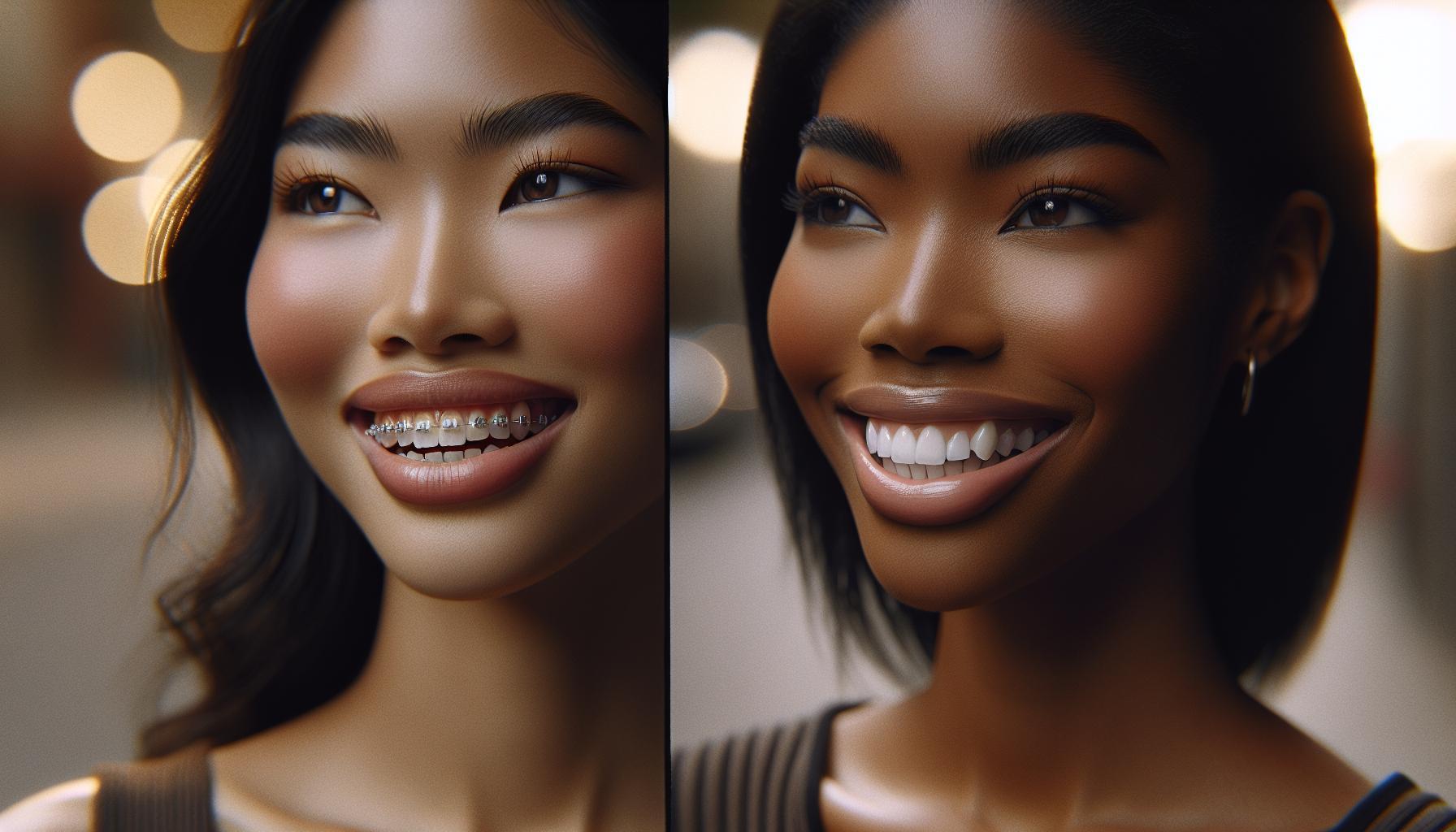
Did you know that braces can do more than just straighten teeth? Many patients experience significant changes in their facial structure after orthodontic treatment, which can boost confidence and improve overall appearance. In this article, we explore the real transformations of individuals who have undergone braces, highlighting both the physical and emotional impacts of their journeys.
If you’ve ever worried about the alignment of your teeth or how it might affect your face, you’re not alone. Understanding how braces can reshape not just your smile but also your facial contours is essential for anyone considering this treatment. By delving into personal stories of transformation, we invite you to discover the profound benefits of braces, offering reassurance to those who may still feel apprehensive about starting their orthodontic journey. Keep reading to see how braces have changed lives, one smile at a time.
Did Braces Really Change My Face?

When it comes to braces, many people wonder about their impact on overall facial aesthetics. In fact, braces not only correct dental misalignments but can also lead to significant changes in facial structure. Many patients report changes in how their face looks after completing orthodontic treatment, which can be attributed to the repositioning of teeth, alteration in jaw alignment, and even the modification of facial contours.
One of the primary ways braces affect facial appearance is by aligning the teeth correctly, which can influence the mouth’s position and overall symmetry. For example, individuals with overbites may notice a more balanced profile post-treatment, as braces can help bring the lower jaw forward and achieve a more harmonious relationship between the upper and lower teeth. Additionally, properly aligned teeth make it easier to maintain lip fullness, which can affect how facial features proportionately relate to each other.
It’s also important to consider that the psychological effects of braces often play a crucial role in perceived changes. Many individuals feel a boost in self-esteem as their smile improves, which can enhance their overall confidence and how they carry themselves. This newfound confidence often contributes to a more positive facial expression and can make a noticeable difference in how others perceive them.
Ultimately, while braces undoubtedly have physical effects on one’s appearance, the accompanying emotional and psychological transformation is equally impactful. This holistic change reinforces the notion that braces do not just reshape smiles but can also profoundly influence how individuals feel about themselves and how they present their newfound self to the world.
Understanding the Science of Orthodontics
The intricacies of orthodontics extend far beyond mere aesthetics; they delve into the mechanical and biological processes that realign the teeth and ultimately influence facial structure. When braces are applied, they exert gentle, consistent pressure on the teeth, encouraging them to shift into their correct positions over time. This shift can lead to significant changes not only in the dental alignment but also in the surrounding soft and hard tissues, including the jawbone and facial muscles.
During orthodontic treatment, the teeth are anchored to brackets attached to each tooth and connected by wires. As the orthodontist adjusts these wires periodically, the pressure on the teeth alters their position within the jaw. This gradual movement can affect the symmetry and proportions of the face, particularly when correcting orthodontic issues like overbites, underbites, or crossbites. For instance, aligning the teeth can help bring the jaw into proper alignment, giving a more balanced appearance and potentially reshaping the overall profile.
Moreover, the biological aspect of orthodontics involves bone remodeling. When teeth move, the bone surrounding them adapts and reshapes in response to the pressure being applied. This process, called alveolar remodeling, allows the bone to maintain support for the newly positioned teeth. It’s a remarkable dance between pressure and biological adaptation, which highlights the transformative power of braces not just for smiles, but for facial aesthetics as well.
As individuals consider orthodontic treatment, it’s natural to have concerns about discomfort and anxiety. Understanding the science behind orthodontics can be reassuring, as it showcases the precision and care involved in creating a treatment plan tailored to each patient’s needs. Rest assured, the resulting changes-both physical and emotional-can lead to not only a healthier smile but also an improved sense of self-confidence and overall well-being.
Real Patient Transformations: Before and After

The stories of individuals who have undergone orthodontic treatment often convey a profound sense of transformation that goes beyond mere alignment of teeth. Many patients report not only stunning visual outcomes but also changes in their confidence levels and overall demeanor. For instance, consider a patient named Sarah, who entered the orthodontic journey with noticeably crooked teeth and an overbite that led to discomfort and self-consciousness. After a year of diligent wear with traditional braces, Sarah emerged with straight teeth and a harmonious facial profile, which contributed significantly to her newfound confidence in both social and professional settings.
Before-and-after photographs frequently illustrate these remarkable changes, highlighting shifts in facial symmetry and enhanced smiles. Patients often experience a more balanced facial structure as their jaws align and teeth become properly positioned, which can lead to improvements in not just aesthetic appeal, but also in function. For example, another patient, John, had difficulty speaking and chewing due to his dental misalignment. Post-treatment, John’s ability to communicate and eat without discomfort improved drastically, reinforcing the importance of orthodontics in enhancing daily life activities.
Moreover, personal narratives surrounding orthodontic experiences resonate on an emotional level. Many patients express their journey as one of empowerment, where overcoming their initial fears and apprehensions about braces transformed not just their appearance, but also their self-image. Encouragement from orthodontic specialists plays a critical role during this time. Regular check-ups and adjustments provide patients with a sense of partnership in their treatment, often allowing them to visualize their progress, which helps build anticipation for the final reveal.
In talking to our patients about their experiences, it’s clear that the journey through orthodontic treatment is not just about achieving straight teeth; it’s about the holistic impact on life and self-esteem. As they transition through these significant changes, the real-life transformations often leave lasting impressions on both the individuals and those around them, reinforcing the profound influence of orthodontics on personal identity and well-being.
Key Factors Influencing Facial Changes

The transformation that can occur with orthodontic treatment often extends beyond just straightening teeth; it significantly impacts facial structure and aesthetics as well. Various factors contribute to these facial changes, making it essential for patients to understand how braces can alter their appearance over time.
Factors Influencing Facial Changes
One of the primary elements that influence how braces change your face is the alignment of the jaw. When misaligned teeth are corrected, not only do they contribute to a healthier bite, but they can also enhance facial symmetry. For instance, patients suffering from overbites or underbites may notice that their jaw position improves, leading to a more balanced appearance. This remodeling of the jaw can be especially significant for younger patients whose facial structures are still developing.
Another vital aspect is the movement and positioning of teeth. As braces apply pressure to teeth, they gradually shift into their designated positions. This realignment can lead to changes in lip posture and support, providing a more youthful look. For example, if a patient has protruding teeth, their lips may appear fuller once the teeth are moved back, resulting in a more proportionate facial profile.
Age and Treatment Type
Age plays a significant role in how facial changes manifest during and after orthodontic treatment. Younger patients often experience more noticeable changes because their bones and jaw are still growing and adapting. In contrast, adults may see subtler improvements due to the rigidity of established bone structures. However, treatments like braces or ClearCorrect aligners can effectively alter contours for any age group, enhancing overall facial aesthetics.
Different types of braces can also impact changes in facial structure. Traditional metal braces may result in quicker adjustments and more significant shifts, particularly for severe cases. On the other hand, clear aligners offer a less noticeable way to achieve orthodontic corrections, which can be important for adults concerned about aesthetics during treatment. The choice of treatment truly depends on individual needs and preferences.
Understanding these factors helps reassure patients about their orthodontic journey. It’s natural to feel anxious about how braces will affect your appearance, but consulting with an orthodontist can bring clarity and confidence to the process. Regular check-ups will allow you to track your progress and witness firsthand the positive changes as they unfold, ultimately leading to a smile and facial profile you can proudly present to the world.
The Psychological Impact of Braces on Self-Image
The journey of orthodontic treatment can be transformative, not only in terms of dental alignment but also regarding self-esteem and body image. For many individuals, the prospect of wearing braces can evoke feelings of anxiety and uncertainty. However, the psychological impacts of undergoing this treatment often yield surprising and positive outcomes, ultimately reshaping one’s self-image in profound ways.
Adjusting to life with braces may initially pose challenges, as individuals might worry about how others perceive them. Yet, many patients report a significant boost in confidence as their treatment progresses. With each adjustment, they begin to see the gradual improvement of their smile and facial structure, fostering not just physical transformation but emotional uplift as well. This growing confidence can manifest in various aspects of life, from social interactions to professional opportunities. Being aware of this emotional journey helps patients approach their treatment with a more positive mindset.
The anticipation of the final result-a straighter, more aesthetically pleasing smile-can also enhance motivation and patience during the orthodontic process. Engaging in support groups or sharing experiences with friends and family can further alleviate feelings of self-consciousness. Celebrating small milestones, such as the first time wearing a new set of aligners or adjusting bands on traditional braces, can remind patients of their commitment to achieving a healthier, more confident version of themselves.
As the treatment progresses, many individuals report significant shifts in how they perceive themselves. The alignment of teeth and improvement of jaw structure can lead to better facial symmetry, which not only alters how one looks but also how one feels about themselves overall. Encouragingly, this newfound self-image often extends beyond the physical, promoting a more positive outlook on life and improved relationships with others. Embracing this journey and recognizing its impact on self-esteem can reassure patients that the changes they are experiencing-inside and out-are both valid and valuable.
Comparing Different Types of Braces and Their Effects
The choice of braces can significantly influence not just the alignment of teeth but also facial appearance, often leading to noticeable transformations. Each type of orthodontic device functions differently and has unique implications for facial structures, making it vital for patients to understand their options.
Types of Braces
Orthodontic treatment mainly involves two types: traditional metal braces and clear aligners.
- Traditional Metal Braces: These consist of metal brackets and wires that gradually shift teeth into position. While highly effective for severe dental misalignments, they are quite noticeable and may initially cause some discomfort. Over time, many patients discover that the discomfort decreases significantly as they adjust to wearing braces, and they often appreciate the tangible progress visible in their smiles.
- Clear Aligners: Brands like ClearCorrect offer a more aesthetic and comfortable alternative. These aligners are custom-made from a clear, plastic material and can be removed for eating and brushing. Patients often prefer these because they are less conspicuous and allow greater freedom during treatment. However, they are typically more suited for mild to moderate alignment issues and may require longer treatment times for complex cases.
Effects on Facial Transformation
The physical changes brought about by braces are not just limited to the smile; they can enhance facial symmetry and proportions as well. For instance, metal braces can exert a more significant force on teeth, aligning them more efficiently. This alignment often leads to a more harmonious relationship between the upper and lower jaws, enhancing overall facial aesthetics. Conversely, clear aligners offer a gentler approach, focusing on gradual adjustments that can be ideal for patients who prioritize discretion.
Moreover, patient testimonials often highlight how both types of braces have led to new levels of self-confidence as their facial features improve. For many, the journey to a straighter smile equates to a journey toward a more self-assured identity-a transformation that extends beyond the physical changes to their smile, impacting overall self-esteem and social interactions.
Ultimately, understanding these differences can help patients make informed decisions regarding their orthodontic care. As those undergoing treatment keep regular appointments and follow their orthodontist’s guidance, they can expect to witness positive changes in their dental and facial structure over time.
Addressing Common Concerns About Facial Changes
Many individuals embarking on their orthodontic journey often harbor concerns about how braces may alter their facial appearance. It’s important to acknowledge that while undergoing treatment, changes can indeed occur, but these transformations are typically gradual and largely beneficial. A common worry is whether braces will lead to significant changes in facial structure. In reality, braces primarily work to align teeth, and any resulting facial changes usually reflect a more harmonious balance between the teeth, jaws, and overall facial symmetry.
Concerns regarding discomfort during treatment are frequently voiced. Initial soreness after getting braces is normal but often subsides as the body adjusts. Modern advancements in orthodontics offer various options, including lighter materials and advanced techniques that can minimize discomfort. Staying vigilant with oral hygiene and using over-the-counter pain relief can significantly alleviate these concerns. Engaging with an orthodontist to discuss fears can also empower patients, providing reassurance and clear guidance through the treatment process.
Another prevalent anxiety revolves around the visible presence of braces and how they might affect social interactions. Patients can alleviate this concern by considering alternative options such as clear aligners, which offer a more discreet approach. Demonstrating that numerous successful transformations result from both metal braces and clear aligners can help ease apprehension. Connecting with others who have experienced similar journeys can foster a supportive community, allowing patients to share their stories and triumphs.
Finally, it’s beneficial to remember that the ultimate goal of orthodontic treatment is to enhance dental health, function, and aesthetics. While minor changes might be noticed during the phase of wearing braces, the overall impact is usually positive, leading to a confident smile and improved self-image that resonates far beyond the orthodontic journey. Engaging with your orthodontist to discuss expectations and outcomes can promote understanding and alleviate fears, paving the way for a successful and rewarding experience.
The Role of Age in Facial Transformation with Braces
The transformative impact of braces on facial appearance varies significantly with age. Research shows that younger patients, particularly children and adolescents, experience more pronounced changes in facial structure and aesthetics as they undergo orthodontic treatment. This is largely due to the flexibility of their growing bones and the natural development that occurs during these formative years. The onset of orthodontic treatment at a young age can help guide jaw growth, ensuring the optimal alignment of teeth and a balanced facial profile.
In contrast, adults may also benefit from braces but may experience subtler changes in facial aesthetics. As bone structure becomes more rigid with age, the adjustments brought about by braces often focus on tooth alignment rather than altering the underlying facial framework. However, this doesn’t mean adults can’t enjoy significant improvements; rather, the changes might manifest in enhanced symmetry, improved smile lines, and better facial proportions. For many adults, the boost in self-image and confidence following treatment is just as crucial as the physical changes themselves.
It’s also essential to recognize that every individual responds differently to orthodontic treatment. Factors such as genetics, oral health, and the specific orthodontic approach taken can all influence the degree of facial transformation one might expect. For example, some patients may require additional procedures such as tooth extractions or jaw alignments to achieve their desired outcomes, which can further modify facial characteristics.
Ultimately, no matter what age a person starts their orthodontic journey, the key is to engage with an experienced orthodontist who can set realistic expectations and tailor the treatment plan to the individual needs. The goal is not just to achieve a straighter smile, but to enhance overall facial harmony, contributing to both functional and aesthetic improvements that can last a lifetime.
How Long Does It Take to See Changes?
The anticipation of change during orthodontic treatment can be both thrilling and anxiety-inducing. Patients often wonder how long it will take to see noticeable improvements in their facial structure after getting braces. Typically, initial changes can begin to appear within a few months of wearing braces, but the full transformation may take anywhere from 12 to 36 months, depending on individual circumstances such as the severity of misalignment, age, and the specific treatment plan devised by the orthodontist.
Factors Influencing the Timeline of Change
Several factors can influence how quickly changes become visible:
- Age: Younger patients experiencing growth spurts may see faster results, as their bones and teeth are more responsive to repositioning.
- Treatment Type: Traditional metal braces tend to produce results in both tooth alignment and facial structure faster than some alternatives, like clear aligners, due to their attachment method and force distribution.
- Patient Compliance: Adhering to the orthodontist’s guidelines, including wearing retainers after braces are removed, can significantly affect outcomes.
While many may think a beautiful smile is the only upgrade, significant developments in facial aesthetics often accompany improved dental alignment. Patients may notice enhancements in their smile lines, jaw structure, and even nasal symmetry. This invigorating progress can reinforce commitment to the treatment process as they regularly visit their orthodontist for adjustments.
It is important to maintain open communication with your orthodontist throughout the process. They can provide updates on your progress, set realistic expectations for transformation timelines, and address any concerns you may have. Staying positive and understanding that patience is key will help navigate the journey toward your desired smile and facial symmetry. With persistence, the transformative power of braces is not only in teeth straightening but also in fostering newfound confidence and joy in one’s appearance.
Caring for Your Smile: Maintenance After Braces
Taking care of your smile after braces is essential for maintaining the incredible changes you’ve worked hard to achieve. The final phase of your orthodontic journey doesn’t end with the removal of your braces; it’s the beginning of a new routine that will help ensure your teeth remain aligned and your smile beautiful. Many patients experience anxiety about sustaining their results, but with the right approach, you can confidently embrace your stunning new look.
To start, wearing retainers as prescribed by your orthodontist is crucial. Retainers help keep your teeth in their new positions while your gums and bone adjust to the changes. Make it a habit to wear them as often as directed; this commitment is essential in preventing your teeth from shifting back to their original positions. You might find it helpful to set reminders or establish a routine, like storing your retainer in a clean case when not in use, to keep it safe and top of mind.
Maintaining exceptional oral hygiene is another critical component of your post-braces care. Food particles can easily cling to your teeth, especially in the first few weeks after braces removal when teeth may feel slightly sensitive. Here’s how to keep your smile in perfect shape:
- Brush Twice Daily: Use a soft-bristled toothbrush and fluoride toothpaste. Pay special attention to the areas where your teeth meet the gums, as they can trap plaque.
- Floss Daily: Flossing helps prevent plaque buildup between teeth, which can be easily overlooked. Consider using a floss threader if you have fixed retainers.
- Regular Dental Visits: Schedule follow-up appointments with your dentist for cleanings and check-ups. These visits are vital for monitoring your oral health and addressing any concerns early.
- Healthy Eating Habits: Limit sugary snacks and drinks, as they can contribute to tooth decay. Instead, opt for fruits, vegetables, and other foods that promote strong teeth.
It’s normal to have questions or concerns as you transition away from braces, so don’t hesitate to reach out to your orthodontist whenever needed. They can provide reassurance and additional tips tailored to your specific situation. With a consistent care routine and the right mindset, you can enjoy the full benefits of your orthodontic treatment, knowing that your smile is healthy, beautiful, and here to stay.
Braces and Beyond: Retainers and Long-Term Effects
After the excitement of having braces removed, many patients find themselves reflecting on the transformation not just of their smile, but of their entire face. This transformation, however, isn’t just a fleeting effect; it requires ongoing care and maintenance to ensure the positive changes last. Retainers, which are essential pieces of your orthodontic journey, play a significant role in this long-term success.
Retainers help maintain the alignment of your teeth post-braces, providing crucial support as your gums and bone settle into their new configuration. It’s important to adhere closely to your orthodontist’s instructions regarding when and how often to wear your retainer. Many find success by establishing a routine-such as wearing their retainer during sleep or while at home. Not only does this reinforce the incredible alignment achieved, but it also builds a sense of responsibility and ownership over your beautiful new smile.
Understanding the Long-Term Benefits of Retainers
Using retainers doesn’t just maintain the physical changes; it also contributes to your overall dental health. Neglecting to wear your retainer as directed can lead to unwanted shifting of teeth, which may necessitate further orthodontic work down the line. Consider these benefits of diligent retainer use:
- Predictable Results: Regular retainer use significantly lowers the risk of teeth shifting back to their original positions.
- Enhanced Comfort: Many patients report that wearing retainers becomes a comfortable part of their daily lives, providing an added layer of confidence in social situations.
- Improved Oral Hygiene: As your teeth remain well-aligned, they’re easier to clean, reducing the risk of plaque buildup and cavities.
Embracing this part of your orthodontic journey means staying committed to the habits that safeguard your smile. Combine your retainer routine with excellent oral hygiene practices, such as brushing and flossing diligently, to prolong not just the aesthetics but the health of your teeth as well. Don’t hesitate to reach out to your orthodontist if you experience discomfort or have questions about the wearing schedule; they’re there to ensure you navigate this phase smoothly. By following these steps, you can confidently maintain the stunning results of your orthodontic treatment while enjoying the myriad of benefits that a healthy, beautiful smile brings to your life.
Testimonials: Personal Stories and Experiences
The journey of wearing braces often brings about transformative experiences that extend beyond mere alignment of teeth. Many patients recount profound changes not only in their smiles but also in their facial appearance and overall confidence. For example, one patient recalls the day their braces were removed, saying, “I couldn’t believe how different my face looked! It felt like I was seeing a new version of myself in the mirror.” Such transformations can be attributed to the way braces adjust the position of teeth, which influences the structure of the jaw and face over time.
Sharing these personal stories can be incredibly reassuring for those who are considering or currently undergoing orthodontic treatment. Another individual shared, “Initially, I was anxious about the process, worried that braces would draw attention to my mouth. However, I found that they actually enhanced my features and gave my face a more balanced look.” This highlights that while the thought of braces can seem intimidating, many patients find that the end results are well worth the initial discomfort and the temporary adjustments to their lifestyle.
On the emotional side, braces can significantly enhance self-image, as many patients experience an increase in confidence. A college student mentioned, “I felt so self-conscious before, but after getting my braces removed, I just wanted to smile all the time!” Such sentiments resonate with many who embark on this journey, often leading to a notable shift in how they present themselves socially and professionally. Ultimately, the collective experiences of patients illustrate that the benefits of braces extend far beyond aesthetics, enabling individuals to embrace their true selves with newfound confidence.
FAQ
Q: How long does it take for braces to change your face?
A: Braces can start to affect facial appearance within a few months, but significant changes may take 1-2 years, depending on individual cases. Factors like age, treatment type, and specific orthodontic issues all play a role. For a deeper understanding, see the section on how long it takes to see changes in your treatment.
Q: What changes can I expect in my face after getting braces?
A: After getting braces, you may notice changes in jaw alignment, cheekbone prominence, and overall symmetry. These transformations contribute to a more balanced profile, often enhancing your facial aesthetics. For examples, check the “Real Patient Transformations: Before and After” section.
Q: Do braces make your face look different even if you don’t need them for alignment?
A: Yes, even for cosmetic reasons, braces can shift tooth positioning, which may alter lip fullness and jaw relation, subtly changing your profile. Understanding the science behind orthodontics can help clarify the extent of these changes.
Q: Can braces change the shape of your nose?
A: Braces don’t directly alter your nose, but improved jaw alignment and changes in facial structure can create the illusion of a differently shaped nose. For a thorough exploration, refer to the psychological impact of braces on self-image mentioned in the article.
Q: Will getting braces affect my age appearance?
A: Braces can give a more youthful appearance by improving alignment and facial proportions, potentially making you look younger. If you’re curious about the role of age in facial transformation, refer to our section dedicated to that topic.
Q: What are the psychological effects of braces beyond physical changes?
A: Beyond physical changes, braces can significantly boost self-esteem and confidence. Many patients report feeling more attractive, which positively impacts their social interactions. Explore the psychological impacts detailed in our article for personal stories.
Q: How do different types of braces affect facial changes?
A: Different types of braces, like traditional metal braces, ceramic braces, or aligners, can lead to varying degrees of facial changes. Treatment duration and intensity also influence results. For a detailed comparison, consult the section on comparing different types of braces.
Q: Can adults expect significant facial changes when getting braces?
A: Yes, adults can experience notable facial changes with braces, although results may vary based on age, treatment type, and initial facial structure. The article discusses the role of age in transformation, which can help set realistic expectations.
Insights and Conclusions
As you’ve seen through real patient transformations, braces can significantly enhance your smile and overall facial appearance. If you’re curious about how these changes could benefit you personally, don’t wait-schedule a consultation today to discuss your orthodontic options! For more insight, check out our articles on the journey through braces and tips for maintaining oral health while undergoing treatment. Remember, a beautiful smile is just a few steps away.
Have questions or experiences to share? We encourage you to leave a comment below and join our community conversation! Continue exploring our site for additional resources on dental care, products, and procedures that can help you achieve a confident and radiant smile. Your journey to a new you starts here!