
Have you ever wondered how braces can impact the shape of your face? While most people think of braces primarily as a tool for achieving a straighter smile, they also play a significant role in transforming your jaw alignment and facial profile. Understanding this connection is vital for anyone considering orthodontic treatment, as it can address aesthetic concerns and improve overall facial harmony.
As you embark on your journey to a healthier smile, it’s natural to want to know how these changes will affect your appearance. Many patients worry about how they will look during the treatment process and whether the results will meet their expectations. This guide explores the intriguing relationship between braces and facial changes, offering insights into what you can anticipate throughout your journey. Whether you’re seeking to enhance your confidence or alleviate functional issues, learning about the transformative effects of braces can empower you to make informed decisions about your dental care.
Do Braces Alter Your Facial Structure?
Undergoing orthodontic treatment with braces can indeed lead to noticeable changes in your facial structure, particularly with respect to the jaw, teeth positioning, and overall facial aesthetics. Many individuals considering braces often wonder how much these changes will impact their appearance. The truth is that braces can not only straighten teeth but also help align the jaw, potentially transforming your profile in a positive way. This transformation is not solely about aesthetics; it can also improve functional aspects like bite and jaw alignment, which, in turn, can enhance facial balance.
Throughout the course of orthodontic treatment, the forces exerted by braces gradually shift teeth and influence jaw position. As teeth align properly and the bite improves, you might notice subtle but significant changes over time. This process can create a more harmonious relationship between facial features, contributing to a more aesthetically pleasing profile. For many patients, these changes foster increased confidence and self-esteem, as a well-aligned smile often enhances overall facial symmetry. Alongside the physical alterations, patients frequently report feeling a boost in their self-image as they begin to see the cumulative effects of their treatment.
It’s natural to have concerns about how your face will change with braces. Prospective patients are encouraged to speak openly with their orthodontists about their goals and expectations. An experienced orthodontist can provide insights tailored specifically to your facial structure and overall dental health, offering reassurance regarding what you might expect during your treatment journey. Many orthodontic practices also utilize advanced imaging technology, giving patients a preview of the potential outcomes, which can further alleviate anxiety about facial changes.
In summary, while braces are primarily designed to straighten teeth, they can lead to notable changes in facial appearance, enhancing both functionality and aesthetics. Understanding these dynamics helps patients embrace the journey with confidence, knowing they are taking significant steps toward achieving a healthier, more beautiful smile.
Understanding the Science Behind Jaw and Facial Changes
Undergoing orthodontic treatment with braces not only aligns teeth but also has the potential to influence jaw position and overall facial structure significantly. This transformation occurs through well-understood biomechanical principles. As braces apply consistent, gentle pressure on the teeth, this force not only shifts the teeth into their correct positions but also creates adjustments in the surrounding bone and jaw areas. Over time, these changes can lead to subtle shifts in facial symmetry and balance.
One critical aspect of this process is bone remodeling, which takes place as a response to the pressure exerted by braces. When teeth shift, the bone surrounding the tooth roots adapts-breaking down in some areas and building up in others. This biological response is essential for the teeth to move effectively and safely. Studies have shown that proper movement of the teeth can positively affect facial contours, leading to a more aligned appearance. For example, crowded or misaligned teeth can sometimes contribute to a less harmonious facial profile, and correcting these issues can create a more balanced look that aligns better with the other facial features.
Maintaining open communication with your orthodontist is also crucial. They can provide valuable insights and utilize diagnostic tools, such as 3D imaging, to help patients visualize the potential outcomes of their treatment. Understanding what to expect during the course of treatment can alleviate worries about unwanted changes in appearance. Moreover, many patients find peace of mind in knowing that these changes are typically gradual and can be monitored closely by their orthodontic team.
Ultimately, while the primary aim of braces is to straighten teeth and improve bite function, patients may discover that their facial structure also undergoes positive changes, enhancing both aesthetics and self-confidence. By addressing both visual and functional aspects of dental health, braces pave the way for a healthier smile and a more youthful facial profile, making the journey towards a new smile both valuable and rewarding.
Factors Influencing Facial Changes During Orthodontic Treatment
Undergoing orthodontic treatment can feel daunting, especially with various factors influencing how your face may change throughout the process. Understanding these elements not only eases anxiety but also empowers you to make informed decisions about your treatment journey. The transformation seen in the facial structure often stems from a combination of biological responses, the specifics of your dental misalignment, and the treatment modality chosen.
One of the most significant factors is the initial positioning of your teeth and jaws. The severity of misalignment plays a crucial role in how noticeable the changes will be. For instance, patients with a deep bite or prominent overbite might see more pronounced facial contour adjustments compared to those with minor spacing issues. As the braces exert gentle pressure on the teeth, they not only shift them into proper alignment but can also instigate changes in jaw relationship and bone structure surrounding the teeth.
Another essential aspect is age. Younger patients, particularly those whose facial bones are still developing, may experience more dramatic shifts in their facial profile compared to adults. This is because their bones are more malleable, allowing for easier adaptation to the changes initiated by orthodontic forces. Additionally, factors like genetics can influence how one’s face responds to braces. Some individuals may naturally have a more pronounced response to orthodontic treatments, leading to changes that enhance their facial aesthetics.
Moreover, the type of braces used-whether traditional metal, ceramic, or newer clear aligners-can impact the timeline and nature of facial changes. Metal braces typically require more substantial forces, which may result in quicker outcomes compared to the gentler approach of clear aligners. Discussing these options with your orthodontist can provide clarity on which treatment best suits your desires for both dental alignment and facial aesthetics.
Ultimately, staying connected with your orthodontic team throughout the treatment will help you manage expectations. Regular check-ups allow your orthodontist to monitor progress and make necessary adjustments, ensuring that any changes to your appearance are aligned with your vision for your smile. Embracing the journey with knowledge will make the process not just bearable but truly rewarding, as each step brings you closer to the smile you’ve always wanted.
Before and After: Real Patient Transformations
Seeing is believing when it comes to the transformative power of braces. Many patients embark on their orthodontic journey with apprehension, harboring concerns about how their smile-and their face-will change throughout the process. Remarkably, the before and after photos of real patients often tell a story of significant improvement, showcasing not just straighter teeth but also enhanced facial profiles that boost confidence and self-esteem.
Patients with various dental misalignments have shared their journeys, highlighting the profound changes that occurred once their braces were removed. For instance, those with overbites often noticed a reduction in their facial prominence-a smoother jawline and a more balanced profile overall. Likewise, individuals who struggled with underbites experienced shifts that not only aligned their teeth but also harmonized their jaw position, providing a more aesthetically pleasing look.
What to Expect in Your Transformation
During treatment, patients can expect gradual changes that unfold over months or even years. It’s essential to understand that while some changes are immediately visible, others may take time to fully manifest. Regular check-ups with your orthodontist serve as pivotal moments, allowing you to witness the gradual changes and adjust expectations.
- Document Your Progress: Take periodic photos throughout your treatment to visually track changes over time.
- Communicate Openly: Share any concerns or desires with your orthodontist to ensure the treatment aligns with your aesthetic goals.
- Celebrate Milestones: Celebrate small victories, such as the first sighting of a tooth moving into place or achieving a notable reduction in crowding.
Structure is just as crucial as aesthetics in this transformation. Patients typically report not only having a more confident smile but also experiencing improved functionality in chewing and speaking, which can positively influence their daily lives. Remember that every orthodontic journey is unique, and transformations will vary, but what remains consistent is the satisfaction of achieving a new, confident smile at the end of the process. Your path may have its challenges, but the rewarding outcome is well worth the effort.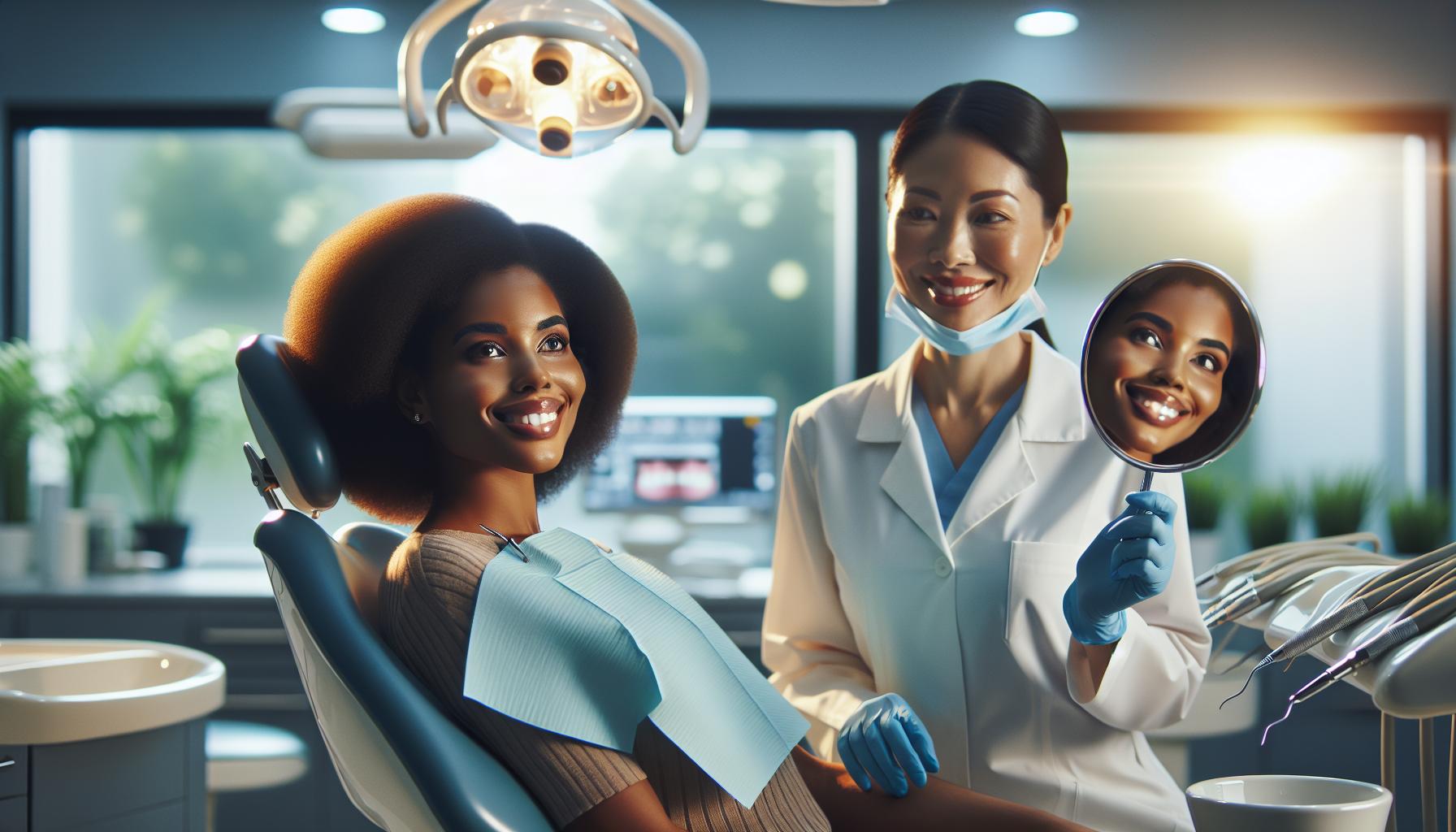
The Psychological Impact of Changes in Facial Appearance
Undergoing orthodontic treatment can be a deeply transformative experience, not just for your smile but for your overall self-image and mental well-being. As facial features shift and align during the process, many patients report significant changes in their confidence levels and self-perception. The act of transforming one’s teeth often encourages individuals to embrace their evolving looks, leading to a more positive body image as they see their newfound smile take shape.
Feeling aesthetically pleasing rests heavily on how individuals perceive their faces. This notion is particularly poignant for those who have experienced long-standing insecurities related to misaligned teeth or jaw issues. As braces work to correct these physical imperfections, patients frequently note a boost in their emotional well-being. A more balanced jawline and symmetry in facial proportions can result in heightened self-esteem and a willingness to engage more openly with the world. Ambivalence may surface initially, as the change can feel overwhelming; however, many find that the positive feedback from friends and family about their improved appearance solidifies this newfound confidence.
Managing Emotional Responses
It’s completely normal to feel a mix of excitement and anxiety as you embark on this journey. To help manage these emotions, consider these strategies:
- Journaling: Document your feelings and experiences during treatment. Reflecting can be therapeutic, helping you process changes.
- Support Groups: Connecting with others on a similar journey can offer reassurance and camaraderie, making the process feel less isolating.
- Positive Affirmations: Remind yourself of the reasons you decided to pursue braces in the first place. Positive self-talk can bolster your self-image.
Ultimately, the journey to a new smile isn’t solely about changing one’s teeth; it’s about reshaping one’s confidence and outlook on life. Although the path may pose challenges-like adjusting to the look of braces or dealing with discomfort-the long-term benefits often outweigh these temporary hurdles. Embrace this stage as an integral part of your transformation, both inside and out, and recognize that enhancing your smile significantly contributes to who you are.
Braces vs. Alternatives: Which Treatment is Best for Your Face?
Choosing the right orthodontic treatment can significantly impact not only the alignment of your teeth but also your facial structure and overall appearance. Traditional braces, popular for their effectiveness in correcting a variety of dental issues, can transform not just your smile but aspects of your facial profile as well. However, alternatives like clear aligners, lingual braces, or even extraction therapies offer diverse benefits and considerations. Understanding these options can empower you to make an informed decision based on your preferences for aesthetics, comfort, and treatment outcomes.
Braces typically provide a comprehensive approach to severe misalignment and can expressly influence jaw positioning over time. They apply consistent pressure on the teeth, gradually shifting them into desired positions that can enhance facial symmetry and contour. This shift may lead to a more balanced jawline and a refined profile. In contrast, clear aligners offer a more discreet option that caters to mild to moderate misalignment, allowing for a less noticeable treatment process. While they are effective, they may not yield the same degree of jaw changes as traditional braces, primarily focusing on the teeth themselves rather than significant adjustments to the jaw.
Comparing Key Factors
When weighing braces against alternatives, consider the following aspects:
- Aesthetic Preferences: Clear aligners are virtually invisible, making them a favored choice for adults or individuals concerned about the visual impact of treatment.
- Comfort: While braces can cause some discomfort initially and during adjustments, aligners tend to be gentler on the gums and cheeks.
- Complexity of Issues: For more complex orthodontic problems, braces may be necessary to achieve the desired results. Aligners can only address certain alignment issues effectively.
- Compliance: Clear aligners require discipline to wear them for the recommended 22 hours a day, whereas braces are fixed and work continuously without requiring patient compliance.
Ultimately, the choice between braces and their alternatives should align with your specific dental needs, aesthetic priorities, and lifestyle. Consulting with an experienced orthodontist can provide tailored insights into how each option might affect your facial structure and what to expect at various stages of treatment. With the right plan in place, you can embark on your journey to a confident new smile that enhances not just your teeth but your entire facial appearance.
Managing Expectations: Timeline of Facial Changes
Undergoing orthodontic treatment, like wearing braces, is a journey that promises not just a healthier smile but also potential changes in facial appearance. One of the most common questions patients have is about the timeline for these facial changes. While results can vary significantly between individuals depending on the severity of dental issues and specific treatment plans, there are some general milestones you can anticipate throughout the process.
In the early stages of treatment, typically within the first few months, patients may begin to notice subtle improvements in their smiles as teeth start to shift into better alignment. This gradual movement can also lead to minor changes in how the lips sit or how the jaw appears at rest. By the six-month mark, many patients report visible changes not just in their teeth but also in the overall contour of their face. This is often a confidence-boosting phase, as those around them begin to notice their smile evolving.
As treatment progresses toward the one-year mark, more pronounced changes can occur. This is when the effects of braces become significantly evident, particularly in cases involving the correction of bite issues like overbites or underbites. The pressure exerted by the braces helps realign the jaw, often resulting in a more balanced appearance and improved facial symmetry. At this stage, the transformation can become quite noticeable, enhancing the overall profile and jawline.
By the time treatment reaches its conclusion, which generally spans 18 months to two years, the facial structure may undergo remarkable changes, depending on the individual’s needs. Patients often experience a newfound confidence, as not only has their smile been corrected, but their facial aesthetics have also been enhanced. Regular follow-ups with your orthodontist allow for adjustments and monitoring, ensuring the best possible outcome. Post-treatment, retainers play a crucial role in maintaining the achieved results, helping to secure your new smile and its accompanying facial changes.
Embracing the journey of braces can be both exciting and daunting, but understanding the timeline of potential changes can help manage expectations and reduce any anxiety. Remember, each phase is a step toward unveiling a smile that not only looks great but also contributes to a more harmonious facial structure. With patience and care, the results can be profoundly transformative, leading to a smile that truly reflects your personality and boosts your confidence.
Potential Risks and Limitations of Braces on Facial Structure
While the prospect of braces can be exciting due to the promise of a straighter smile and improved facial aesthetics, it’s essential to consider the potential risks and limitations associated with their use. Some individuals may experience temporary changes in the appearance of their face as their teeth and jaw shift, leading to concerns about unwanted alterations in facial structure. Being aware of these factors can help you manage expectations and alleviate anxiety throughout your orthodontic journey.
One crucial aspect to understand is that braces primarily exert force on teeth. This force can sometimes lead to uncomfortable sensations or mild discomfort, especially during adjustments. It’s important to note that while braces can enhance facial symmetry by correcting bite issues and aligning teeth, in some cases, the adjustments may not result in the expected changes to facial structure. Factors such as individual anatomy, age, and the severity of dental misalignment play significant roles in this process. For instance, younger patients often experience more noticeable changes, as their bones are still developing and more responsive to treatment.
Additionally, some patients may experience side effects like gingival recession or changes in the smile line, especially if oral hygiene is not adequately maintained. These issues can sometimes affect the overall perception of facial aesthetics. It’s vital to follow your orthodontist’s aftercare recommendations closely, including proper cleaning techniques and scheduled follow-ups. Keeping a consistent oral hygiene routine can mitigate these risks and help sustain the improvements in your smile and facial structure.
Ultimately, while braces can result in significant positive changes, they are not without limitations. Clear communication with your orthodontist can provide a clear roadmap of what to expect during treatment, allowing for adjustments to address any concerns. Embracing these changes as a part of the journey, rather than a potential setback, can help you maintain confidence in the process and its ability to transform not just your smile but your overall facial profile too.
Maintaining Facial Aesthetics During Treatment
Maintaining your facial aesthetics during orthodontic treatment is crucial for ensuring that your journey to a better smile is as comfortable and confidence-inspiring as possible. As you navigate the process of wearing braces, several proactive steps can help minimize any temporary visual changes while optimizing your results.
First and foremost, focusing on effective oral hygiene is vital. With braces, food particles can become trapped more easily, which can lead to plaque buildup, inflammation, and even changes in your gum line. Adopting a thorough cleaning routine-brushing at least twice a day and using inter-dental brushes or floss threaders-can help maintain not only your dental health but also the overall aesthetics of your face. A well-maintained smile naturally contributes to a more appealing facial structure.
Equally, be mindful of your diet. Consuming soft foods during the initial adjustment phase or when experiencing discomfort can help you avoid excess pressure on your braces. Opting for fruits, vegetables, and other nutritious options can aid in maintaining your facial fullness and prevent any unwanted changes related to significant weight loss during treatment. Staying hydrated also supports skin elasticity, which is beneficial for your facial appearance.
Another important aspect is regular orthodontist visits. These appointments ensure that your treatment is on track, allowing your orthodontist to make timely adjustments. Discuss any concerns about your facial aesthetics during these visits. Open communication will enable them to tailor your treatment and provide personalized advice to help manage any changes effectively.
Finally, it’s essential to remain positive throughout this process. Many individuals report feeling more confident after completing their orthodontic treatment, as braces result not just in straight teeth, but also in improved facial proportion and symmetry. Embracing this transformative journey can make a significant difference in how you perceive these temporary changes, resulting in a more fulfilling overall experience.
By combining diligent care with positive affirmations, you can maintain your facial aesthetics effectively while progressing toward a beautifully aligned smile.
Aftercare: Sustaining Your New Smile and Facial Profile
Maintaining your new smile and the associated facial profile after your orthodontic treatment is just as important as the journey itself. The time right after braces removal is a crucial period where the new alignment of your teeth and jaw needs to be safeguarded. A few essential aftercare steps can ensure that your orthodontic investment yields beautiful, long-lasting results.
To start, it’s vital to wear your retainer as prescribed by your orthodontist. Retainers play an essential role in stabilizing your newly aligned teeth and preventing them from shifting back to their original positions. Depending on your specific needs, your orthodontist might recommend wearing your retainer full-time initially, transitioning to night-time use only over time. Always handle your retainer with care and ensure it is cleaned regularly to maintain oral hygiene.
Another key aspect of post-braces care is ongoing oral hygiene. Continue to follow a rigorous dental care routine by brushing twice daily with fluoride toothpaste, and flossing regularly. It helps to prevent plaque buildup around your teeth and gums, which can affect your overall facial aesthetics and oral health. Incorporating mouthwash into your routine can also combat bad breath and keep your gums healthy.
Dietary choices during this phase can also impact the health of your teeth and gums. Aim to consume nutritious foods that support dental health, such as:
- Fruits and vegetables rich in vitamins.
- Calcium-rich foods like yogurt and cheese for strong teeth.
- Avoiding sticky or hard foods that could cause damage to your teeth or retainer.
Staying hydrated is another fundamental part of maintaining your smile’s aesthetics. Adequate hydration keeps your skin supple and can counteract any changes that mega-juices or cold beverages may induce. Keeping stress levels in check and ensuring you get plenty of sleep can also contribute positively to your facial structure and overall appearance.
Regular follow-up appointments with your orthodontist are crucial during the aftercare phase. These visits allow your orthodontist to monitor your progress, check that your teeth remain in alignment, and provide any necessary adjustments to your retainer. Engaging in open discussions about your concerns, including any minor changes in your facial profile, can ensure that you receive the best advice tailored to your situation.
By actively participating in your aftercare routine with diligence and positivity, you can sustain the remarkable results of your orthodontic journey and confidently flaunt your new smile for years to come.
Expert Insights: Orthodontist Perspectives on Facial Changes
While the thought of braces often brings to mind straightening teeth, many patients are curious about the broader implications of orthodontic treatment, especially concerning facial structure. Orthodontists emphasize that braces do much more than improve alignment; they can positively affect the overall look of your face by altering jaw position, enhancing profile balance, and contributing to facial symmetry. For instance, addressing overbites or underbites can lead to a more harmonious relationship between the upper and lower jaws, which may improve the angle of the chin and jawline.
Understanding Facial Changes
It’s essential to recognize that every person’s facial structure is unique, and the way braces will influence your appearance varies based on individual anatomy and the specific orthodontic issues being addressed. For some, once the braces are removed, they may notice more pronounced cheekbones or a more refined jawline, as the shift in teeth position can have a cascading effect on facial soft tissues and bones. Regular consultations with your orthodontist throughout treatment can help establish realistic expectations regarding these changes.
Building Confidence Through Transformation
A significant aspect of orthodontic care is understanding how these changes can impact a patient’s self-esteem. Many orthodontists report that patients frequently express concern about how braces might alter their facial appearance during treatment. However, numerous studies show that patients often feel a boost in confidence once they see the improvements in their smile and facial structure post-treatment. This confidence can uplift their social interactions and psychosocial well-being.
Practical Advice for Patients
To ensure you maximize the benefits of braces, maintain an open dialogue with your orthodontist about your aesthetic goals. They can tailor your treatment plan to address any specific concerns you may have. Here are a few key tips to consider:
- Visualize Your End Goal: Ask for digital mock-ups or before-and-after illustrations to better understand what to expect.
- Follow Treatment Guidelines: Adhering to your orthodontist’s recommendations, including wearing elastics or headgear as prescribed, enhances treatment effectiveness.
- Commit to Aftercare: Retainers are crucial in maintaining your new smile and preventing regression of facial changes.
In summary, understanding the potential for facial changes during and after orthodontic treatment can help ease any anxieties. Consult with your orthodontist to address concerns, set goals, and celebrate the journey toward achieving not just a beautiful smile but also enhanced facial harmony and confidence.
Real Stories: Personal Experiences with Braces and Face Changes
Many people wonder how braces not only shift teeth but also reshape their facial structure over time. Countless individuals have shared transformative stories that highlight the remarkable changes they’ve experienced, both in their smiles and overall facial aesthetics. One poignant example is that of a patient named Sarah, who felt self-conscious about her overbite and the way it affected her profile. After embarking on an orthodontic journey with braces, Sarah not only noticed her teeth aligning but also a subtle refinement in her jawline and chin, creating a more balanced portrait. This experience exemplifies how addressing dental issues can yield unexpected yet positive shifts in facial appearance.
Another compelling narrative comes from James, who documented his braces journey on social media. Initially apprehensive about how the braces would physically alter his appearance, he discovered that his concerns were quickly alleviated as treatment progressed. Colleagues and friends began complimenting him on the changes they saw, not just in his smile but also in the way his cheekbones appeared more prominent and his profile became more defined. James’s transformation was not merely about aesthetics; it significantly boosted his confidence, highlighting the emotional and psychological benefits of orthodontic treatment.
These personal experiences resonate deeply because they reflect universal feelings of anxiety and anticipation surrounding orthodontic work. It’s common to fear that braces will change one’s appearance detrimentally; however, many find that the results lead to enhanced self-esteem and a sense of personal growth. Maintaining an open line of communication with the orthodontist is vital throughout this process, allowing for tailored treatments that cater to individual cosmetic goals.
For anyone considering braces, understanding these transformations can be comforting. Embrace the journey with a positive mindset, as the road to a new smile not only involves physical adjustments but also enriches your sense of self. Remember, the change you witness in the mirror extends beyond the smile; it’s about feeling like the best version of yourself at every step of the way.
FAQ
Q: How do braces affect facial structure?
A: Braces can alter facial structure by shifting teeth and aligning the jaw, which may result in changes to the profile and symmetry of the face. This process supports better bite alignment and can enhance overall facial aesthetics. For detailed transformations, refer to the “Before and After” section of the article.
Q: What specific facial changes can occur with braces?
A: Braces primarily impact the alignment of teeth and jaw position, potentially leading to improved cheek contours and jawline definition. Individuals may notice reductions in overbites or underbites that create a more balanced facial appearance.
Q: When can I expect to see facial changes from braces?
A: Facial changes can begin to emerge as soon as the first few months of treatment, progressively becoming more noticeable as teeth shift into their new positions. A detailed timeline is discussed in the “Managing Expectations” section of the article.
Q: Do braces change your smile or jawline?
A: Yes, braces can enhance your smile by straightening teeth and correcting jaw alignment, which often leads to a more aesthetically pleasing jawline. Improved dental function contributes to a more confident smile and overall appearance.
Q: How do age and growth influence facial changes with braces?
A: Age significantly impacts facial changes during orthodontic treatment. Younger patients often experience more pronounced jaw growth and repositioning, leading to larger changes in facial appearance compared to adults, whose bone structure is more developed. Refer to the “Factors Influencing Facial Changes” section for more details.
Q: Can braces cause my face to look different during treatment?
A: It’s possible for your face to appear different during treatment, often due to the initial adjustments of teeth and jaw. Temporary asymmetry can occur but typically settles as treatment progresses. Understanding these changes is crucial, as detailed in the article’s sections on psychological impacts and managing expectations.
Q: Are there risks of negative facial changes from braces?
A: While most changes are positive, some individuals may experience unwanted effects, such as facial asymmetry or discomfort, due to improper fitting or prolonged treatment. Consulting your orthodontist for personalized assessment and adjustments helps mitigate these risks, as emphasized in the “Potential Risks and Limitations” section.
Q: How do I maintain my facial aesthetics while wearing braces?
A: To maintain facial aesthetics during treatment, practice good oral hygiene and consider cleaning methods for braces. Additionally, regular orthodontic check-ups ensure proper adjustments. The article’s “Maintaining Facial Aesthetics During Treatment” section offers further insights on this topic.
The Way Forward
As we’ve explored, braces can significantly alter the structure of your face, enhancing your jawline and improving your profile in ways you might not have anticipated. If you’re considering this transformative journey, don’t hesitate to take the next step-consult with an orthodontist today! For further insights, check out our articles on “The Benefits of Early Orthodontic Treatment” and “How to Care for Your Braces,” which provide valuable information to guide your experience.
Remember, every smile has the potential to shine brighter with the right treatment. Subscribe to our newsletter for the latest tips on dental care and orthodontics, and feel free to share your thoughts or questions in the comments below. We’re here to support you every step of the way as you embark on this journey to a healthier, more confident smile!