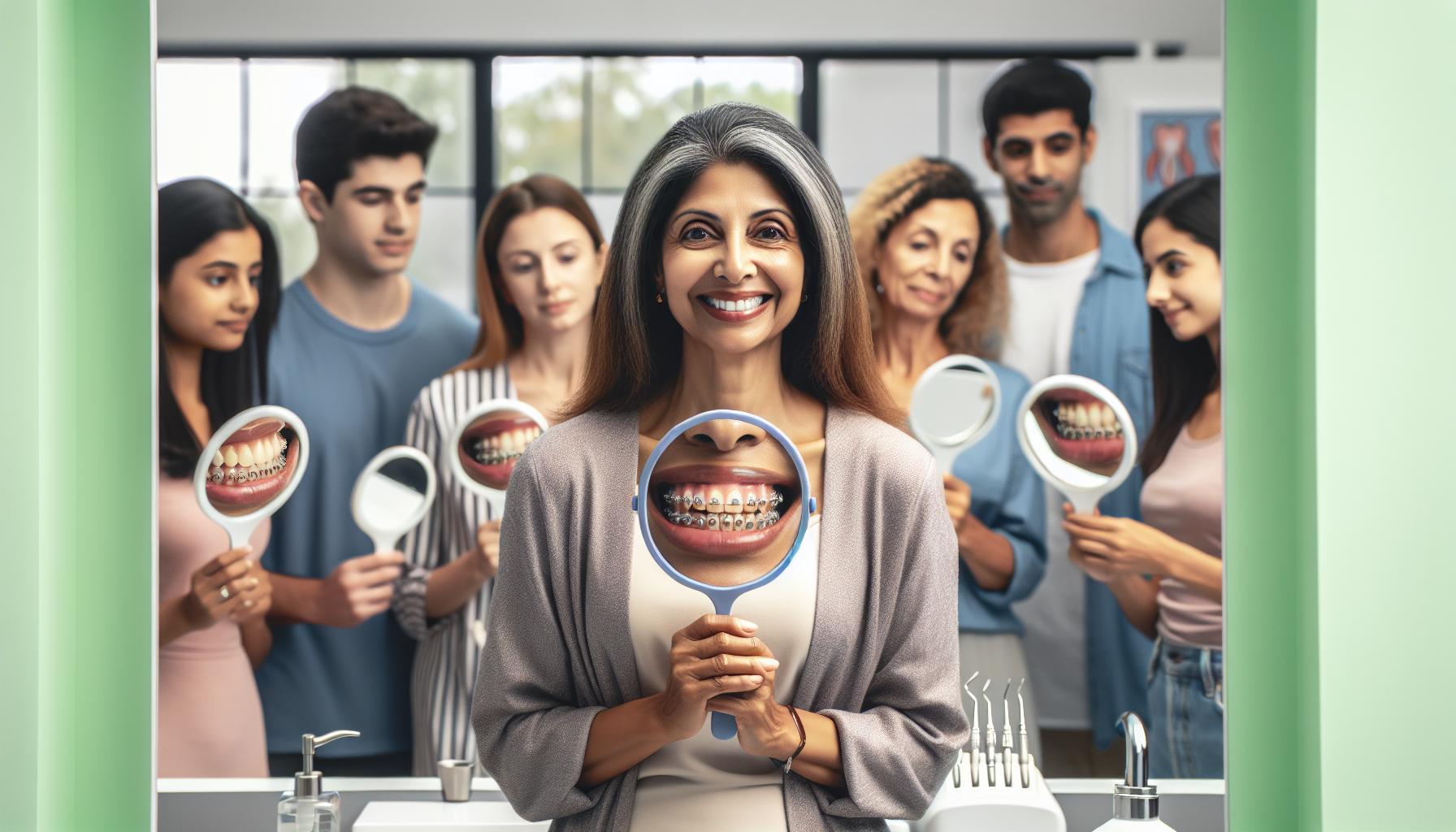
Are you experiencing discomfort with your teeth or feeling unsure about your smile? You’re not alone-many people face similar doubts. Understanding whether you need braces can be a crucial step toward achieving a healthier, more confident smile. In this article, we’ll explore seven clear signs that indicate it might be time to consider orthodontic treatment.
Ignoring dental issues can lead to more significant problems down the road. Misaligned teeth can affect your bite, oral hygiene, and overall confidence. By recognizing the warning signs early, you can take proactive steps toward better dental health. So, if you’ve noticed any symptoms that raise concern, keep reading to discover the insights you need to make informed decisions about your dental care journey.
Signs You May Need Braces: An Overview
Many people underestimate the importance of a properly aligned smile, but the signs that you may need braces often extend beyond mere aesthetics. Misalignment can lead to a variety of dental issues, affecting oral health over time. If you find yourself experiencing any difficulties while chewing, or if your teeth seem to overlap or jut out at odd angles, it might be time to consider the benefits of consulting an orthodontist.
Pay attention to specific indicators that could suggest the need for braces. Frequent tooth grinding or jaw clenching, known as bruxism, often stems from misalignment. This habit can lead to jaw pain, headaches, and dental wear. Additionally, if your teeth are spaced too closely or are noticeably gapped, this could not only compromise your smile but also create spaces where food particles can become trapped, leading to decay and gum disease.
Furthermore, consider your bite patterns. If you experience discomfort or pain when your teeth make contact, it may be a sign of an incorrect bite, known as malocclusion. Symptoms to look for include difficulty closing your mouth or if your upper front teeth cover a significant portion of your lower front teeth when you bite down. Recognizing these signs early on can be key in preventing further complications and securing the best treatment outcomes.
Ultimately, understanding these indicators and addressing them proactively can lead to significant improvements in your dental health and overall well-being. If you suspect you might benefit from braces, an evaluation by an orthodontist will help identify the best course of action tailored to your unique needs.
Understanding the Importance of Orthodontic Evaluation

Understanding whether you need braces is an essential step in maintaining not just the aesthetics of your smile but also overall dental health. An orthodontic evaluation serves as a pivotal first step toward achieving and maintaining optimal oral health. This assessment is more than just a brief glance at your teeth; it is a comprehensive analysis that helps identify misalignments, bite issues, and jaw discrepancies that, if left untreated, could lead to more serious dental problems in the future.
During an orthodontic evaluation, your orthodontist will take into account various factors such as the alignment of your teeth, the relationship between your upper and lower jaws, and any habits like finger-sucking or grinding that may be impacting your dental structure. Diagnostic tools may include x-rays, photographs, and digital scans, allowing for a detailed perspective on your oral condition. By carefully analyzing these elements, orthodontists can develop a personalized treatment plan that targets your specific needs and goals, ensuring a tailored approach to your dental care that is both effective and efficient.
Why Is Early Evaluation Important?
Early evaluation is crucial, especially for children, as it allows orthodontists to identify potential issues before they become more complex. For example, conditions like overcrowding or severe overbites can worsen over time, making treatment more complicated and potentially more expensive. Addressing these issues early can not only facilitate more straightforward and faster treatment but also save you from future discomfort and additional dental concerns.
Many patients experience anxiety when visiting the orthodontist, fearing that the evaluation might result in a lengthy treatment plan. However, it’s important to remember that early intervention can often mean shorter treatment times and less extensive procedures. By understanding the importance of this initial evaluation, patients can take proactive steps toward not only enhancing their appearance but also preserving their oral health for years to come. Always approach your orthodontic journey with an open mind; your dentist is a partner in achieving the best possible outcome for your smile.
Common Dental Issues That Indicate Braces Needed

Identifying the need for braces often hinges on recognizing specific dental issues that can affect both your smile and your overall oral health. If you find yourself facing persistent challenges with your teeth, it may be time to evaluate the potential need for orthodontic treatment. Understanding these common problems can empower you to seek the necessary care and enhance your dental well-being.
One of the most prevalent indicators is overcrowding, where teeth do not have adequate space to align properly. This can lead to misalignment and may also create hiding spots for plaque and food particles, increasing the risk of cavities and gum disease. Additionally, if you notice that your teeth are excessively spaced apart, this can also suggest an underlying issue that orthodontic treatment could address. Properly spaced teeth not only contribute to aesthetic appeal but can significantly improve functional integrity during chewing.
Moreover, bite problems, such as overbites, underbites, or crossbites, can cause discomfort and even affect speech. An overbite occurs when the upper front teeth overlap too much over the lower teeth, potentially leading to wear on enamel and jaw pain. Conversely, an underbite occurs when the lower teeth protrude past the upper teeth, which can complicate eating and speaking. Detecting these misalignments early can prevent more serious complications later on, including temporomandibular joint (TMJ) disorders.
Another crucial sign is jaw dysfunction or pain. If you regularly experience discomfort, clicking, or popping sounds when moving your jaw, this could indicate jaw misalignment that braces can correct. Addressing these issues not only improves comfort but can also enhance your overall quality of life. Involving your orthodontist at the first signs of any dental irregularities can lead to more straightforward solutions and a much healthier smile moving forward.
How to Identify Misalignment and Bite Issues

Identifying misalignment and bite issues is a critical step in determining whether you need braces. Many people are unaware that their dental alignments could be contributing to more significant health concerns. Sometimes, what seems like a harmless cosmetic issue, like slightly crooked teeth, can lead to problems with chewing, speech, and overall oral health. Fortunately, there are specific signs and symptoms you can watch for to understand better whether misalignment may be affecting you.
Begin by performing a quick self-assessment in front of a mirror. Examine your bite by gently biting your teeth together and looking for any noticeable discrepancies. If your upper front teeth sit significantly lower or overlap your lower teeth (a condition known as overbite), or if your lower teeth extend beyond your upper ones (known as underbite), this may indicate a need for orthodontic intervention. Other indications could include teeth that are misaligned or spaced far apart, contributing to difficulties in keeping your teeth clean, which can increase the risk of decay and gum disease.
It’s also essential to be mindful of any discomfort or irregular sounds while biting or moving your jaw. Clicking or popping noises could suggest that your jaw is misaligned, potentially leading to temporomandibular joint (TMJ) disorders. These symptoms often reveal themselves during daily routines, such as eating or speaking, and may point to underlying misalignment issues. If you find that chewing is painful or uncomfortable, it’s worth discussing these concerns with an orthodontist, who can evaluate your bite in more depth and suggest appropriate treatments.
Lastly, don’t hesitate to seek help if you notice any of these signs. Early detection can lead to easier corrections and significantly better outcomes. Orthodontic assessments are generally straightforward, and your discomfort can be alleviated with proper treatment, helping you to not only achieve a more beautiful smile but also to enhance your overall dental health and functionality. Remember, maintaining your oral health is a journey, and recognizing these signs early on can make a significant difference in your experience.
The Impact of Crowded or Spaced Teeth
Teeth that are crowded or spaced improperly can profoundly influence not just your smile, but your overall oral health. Crowded teeth occur when there is insufficient space in the jaw for all the teeth to fit comfortably, leading to overlapping or twisted teeth that are difficult to clean. This can result in a higher risk of plaque buildup, cavities, and gum disease. Conversely, teeth that are spaced too far apart can cause issues as well. Gaps between teeth can lead to problems with chewing and can also create aesthetic concerns that may impact self-esteem.
When evaluating the effect of crowded teeth, it becomes evident that this condition can lead to significant bite issues, potentially resulting in jaw pain or discomfort over time. Misalignment from crowded teeth often manifests as uneven wear on enamel, sensitivity, and even headaches due to muscle strain caused by improper bite alignment. If you find it challenging to floss between teeth or experience discomfort while chewing, these may be telling signs of crowding that warrant a visit to an orthodontist.
On the other hand, spaced teeth can lead to functional issues as well. Without adequate contact points, food particles are more likely to get trapped between the teeth, leading to increased decay and gum inflammation. Additionally, the gaps might also create a less stable bite, which could result in further dental complications or jaw stress. Addressing spacing issues can help restore function and aesthetics, leading to increased confidence and better oral hygiene.
In both instances, seeking an orthodontic consultation is vital. Early intervention can often simplify the correction process and may prevent more severe complications from developing in the future. Remember, achieving not just a beautiful smile, but also optimal dental health, is a journey worth taking. Whether you are dealing with overcrowding or spacing issues, there are various treatment options available, including braces and clear aligners, to help you attain a healthier and more appealing smile.
Uncovering Signs of Jaw Dysfunction or Pain
Many people experience jaw discomfort or dysfunction without realizing it may be linked to dental misalignment. Common symptoms include jaw pain, clicking or popping sounds when opening or closing the mouth, and even frequent headaches. These signs can be indicative of underlying issues with your bite or overall tooth alignment. If you find that your jaw feels tense or fatigued after certain activities like chewing or talking, it’s essential to take these feelings seriously.
Understanding the impact of jaw dysfunction is crucial for your overall well-being. Chronic jaw pain can be caused by a misaligned bite, leading to strain on the surrounding muscles and joints. Furthermore, this discomfort can extend beyond the jaw itself, affecting the temples, neck, and shoulders due to a domino effect of muscle tension. Persistent headaches, particularly tension headaches, may also stem from unresolved dental issues. If you notice that you often clench or grind your teeth, particularly during sleep or stressful moments, this behavior can exacerbate jaw strain.
Identifying these signs early on can lead to timely intervention and help avoid more severe complications. An orthodontist is trained to evaluate your bite and discern whether braces or other treatments may alleviate your discomfort. During a consultation, your provider will perform a comprehensive assessment, possibly including imaging studies, to understand how your teeth and jaw interact.
By seeking assistance when symptoms arise, you can take proactive steps towards relief and improved quality of life. Addressing jaw dysfunction not only tackles immediate pain but may prevent more complex issues like temporomandibular joint disorder (TMJ). If any of these symptoms resonate with you, consider scheduling an orthodontic evaluation to explore potential treatment options that can lead to a more comfortable and functional bite.
The Role of Early Intervention in Orthodontics
Many parents and individuals may not realize that early intervention in orthodontics can significantly influence the effectiveness and duration of treatment. Children’s mouths and jaws are still growing, making it the perfect time for an orthodontic evaluation. When dental issues are addressed at a younger age, it can prevent the development of more severe problems as they grow. A study showed that timely orthodontic treatment can lead to improved dental alignment and a healthier bite, reducing the need for more complex interventions later on.
By recognizing the signs that indicate a need for braces early, it’s possible to mitigate issues related to misalignment, such as overcrowding or gaps between teeth. For instance, children who exhibit difficulty with chewing or who have speech impediments may benefit from an orthodontic assessment. In some cases, treating conditions like thumb sucking or tongue thrusting can instill better oral habits and promote proper jaw development, avoiding more significant complications in the future.
Another important aspect of early intervention is the psychological benefit it provides. Straightening teeth can greatly enhance a child’s self-esteem and confidence, setting them on a more positive trajectory during formative years. Children who receive treatment at a young age are often more likely to maintain good oral hygiene habits as they make connections between dental health and overall well-being.
If you or your child exhibit any of the signs of dental misalignment, such as excessive crowding, difficulty biting or chewing, or even jaw pain, scheduling an orthodontic consultation is a proactive step. The orthodontist will help create a personalized plan that addresses any immediate concerns and sets a foundation for lasting dental health, guiding you through what to expect and how to care for teeth during treatment. Embracing early orthodontic evaluation can lead to a healthier future and a confident smile.
Evaluating the Benefits of Getting Braces Early
Getting braces at an early age can significantly alter the trajectory of dental health, shaping not just your smile but also your overall well-being. Many dental professionals advocate for early orthodontic intervention because it can make a notable difference in both treatment outcomes and the comfort of receiving care. The formative years provide a unique opportunity to address issues before they can develop into more complex concerns, allowing for straightforward correction and preventative measures that lead to a healthier bite and better alignment.
One of the paramount benefits of starting orthodontic treatment early is the enhancement of future oral functionality. If issues like overcrowding or spaced teeth are left unaddressed, they may hinder proper chewing, speaking, and even lead to jaw discomfort. By identifying and correcting these factors early on, individuals can enjoy improved oral activities without the complications that may arise from misalignment later in life. Moreover, children treated at a younger age often respond better to orthodontic adjustments, as their jaw and teeth are more adaptable and mobile.
Early intervention also fosters long-term psychological benefits. A beautiful smile can be a significant boost to a child’s confidence and self-esteem. Addressing dental misalignments early allows children to develop positive associations with dental care, setting the foundation for lifelong good habits. Witnessing the transformation of their smile can motivate them to maintain good oral hygiene practices, thus enhancing their overall dental health as they grow into adulthood.
In conclusion, the decision to begin orthodontic treatment early goes beyond mere aesthetics; it is an investment in health that prioritizes comfort, functionality, and psychological well-being. By engaging with an orthodontist promptly when signs of misalignment emerge, you can position yourself or your child for a future of positive dental experiences and outcomes.
What to Expect During Your Orthodontic Consultation
A visit to the orthodontist can be a pivotal step in your journey toward a healthier smile, and knowing what to expect can ease the anxiety that often accompanies dental appointments. Your consultation is more than just an examination; it’s the beginning of a tailored approach to addressing your dental needs. During this initial visit, the orthodontist will assess your dental health, discuss your concerns, and create a roadmap for your treatment.
You’ll start with a thorough examination of your teeth, jaws, and mouth. This often includes X-rays, photographs, and dental impressions to give the orthodontist a comprehensive view of your dental structure. This detailed assessment helps identify any misalignments, bite issues, or other dental problems that may necessitate braces. The orthodontist will also discuss your dental and medical history to ensure all relevant factors are considered.
After the examination, you can expect a detailed discussion about the findings. Your orthodontist will explain any issues they found and recommend the best course of action. This is also the time to address any questions you have regarding the type of braces suitable for you, potential treatment durations, and the changes you can expect throughout the process. Understanding the options available-such as traditional metal braces, ceramic braces, or Invisalign-will arm you with the knowledge to make informed decisions about your dental care.
Finally, be prepared to discuss financial aspects of your treatment. The consultation will often include a conversation about costs, payment plans, and insurance coverage options, ensuring that you leave with a clear understanding of your investment in your dental health. Remember, this consultation is your opportunity to advocate for your smile, so don’t hesitate to express any concerns or preferences regarding your treatment path. By the end of the visit, you should feel reassured about the journey ahead, equipped with information and a treatment plan tailored just for you.
Understanding Different Types of Braces Available
While the thought of getting braces might seem daunting, understanding the various types available can pave the way to a smoother decision-making process. Each type of braces is designed to address different orthodontic needs and personal preferences, providing tailored solutions for individuals looking to achieve a beautiful smile.
Traditional Metal Braces
Traditional metal braces are the most commonly recognized type of orthodontic treatment. Made from high-quality stainless steel, they consist of brackets that are attached to each tooth, linked by a wire that exerts pressure to gradually shift teeth into the desired position. One of the advantages of metal braces is their durability-patients can expect them to effectively correct a wide range of dental issues, including severe misalignments and crowding.
Ceramic Braces
Ceramic braces offer a more aesthetic option for those who are conscious about their appearance. These braces function similarly to metal braces but use tooth-colored or clear brackets, making them less noticeable. Ceramic braces are an excellent choice for teenagers and adults who desire a discreet look while benefiting from effective treatment. However, it’s worth noting that they may be slightly larger and more fragile than their metal counterparts, which could lead to longer treatment times.
Lingual Braces
For individuals seeking a truly invisible treatment option, lingual braces are fixed to the back of the teeth, hidden from view. This type is custom-made to fit the contours of your teeth, focusing on a personalized treatment experience. While they can be effective for various orthodontic issues, maintaining them can be more challenging, and they can sometimes create discomfort initially as your tongue adjusts to their presence.
Invisalign
Invisalign has revolutionized orthodontic treatment as a clear aligner system that offers a more comfortable and aesthetically pleasing alternative. Made from medical-grade plastic, these removable aligners are custom-fitted to gradually move your teeth. Patients appreciate the convenience of being able to remove them for eating and oral hygiene. However, it’s essential to wear the aligners for at least 20 to 22 hours daily to achieve optimal results, and they may not be suitable for more complex orthodontic cases.
Choosing the Right Option for You
Selecting the right type of braces depends on various factors, including the severity of your dental issues, your lifestyle, and your aesthetic preferences. During your orthodontic consultation, your orthodontist will guide you through the pros and cons of each option, ensuring that you make an informed choice that aligns with your needs and goals.
Ultimately, understanding these different types of braces will empower you to make a confident decision. Whatever you choose, rest assured that orthodontic treatments are designed to improve your dental health and enhance your smile, leading to increased self-esteem and overall well-being.
Cost Considerations and Insurance for Braces
Understanding the financial aspects of orthodontic treatment is crucial for ensuring a smooth journey towards achieving a healthier smile. The cost of braces can vary widely, influenced by factors such as the type of braces chosen, the length of treatment, and individual dental needs. On average, patients can expect to pay anywhere from $3,000 to $7,000 for full orthodontic treatment, but it’s essential to consider this as an investment in your oral health.
Factors Influencing Cost
Several elements contribute to the overall expense of braces:
- Type of Braces: Traditional metal braces are generally the most affordable option, while ceramic braces, lingual braces, and clear aligners like Invisalign can be more expensive due to their materials and aesthetics.
- Length of Treatment: The duration required to achieve the desired results significantly affects cost. More complex issues may require longer treatment times, resulting in higher fees.
- Location: Costs can also vary by geographic location, with urban centers typically having higher prices than rural areas.
- Orthodontist’s Experience: An orthodontist’s expertise can influence fees; more experienced professionals may charge higher rates but could also provide more specialized care.
Insurance and Payment Options
Navigating insurance coverage can feel daunting, but it often plays a key role in reducing out-of-pocket expenses. Many dental insurance plans will cover a portion of the cost of braces, typically ranging from 50% to 80%, depending on the policy. It’s essential to review your plan details closely and consult with your orthodontist’s office, which can help clarify what your insurance will cover.
Beyond insurance, many orthodontic offices offer flexible payment plans designed to ease financial stress. These may include monthly payment options that spread out costs, allowing patients to budget effectively. Additionally, various health savings accounts (HSAs) or flexible spending accounts (FSAs) can be utilized for orthodontic expenses, providing tax advantages.
Equipped with this knowledge, patients can approach the orthodontic process with greater confidence and clarity. Remember, achieving your best smile is not just about aesthetics; it’s about investing in your long-term oral health, positively impacting your self-esteem and overall well-being.
Managing Your Orthodontic Journey: Tips and Support
Starting an orthodontic journey can be both exciting and daunting. It’s a significant step towards achieving a healthier smile, but many patients experience anxiety about the process. Knowing how to navigate your orthodontic experience can ease worries and build your confidence in the care you receive. First and foremost, communication with your orthodontist is key; don’t hesitate to express any concerns or questions you may have about treatment options, process, and care.
Understanding what to expect from the outset can help you feel more at ease. During your initial consultation, your orthodontist will assess your dental alignment and potentially take X-rays or impressions of your teeth. This detailed evaluation is vital for determining the best treatment plan tailored to your needs. Ask about the types of braces available, the average duration of treatment, and realistic expectations regarding outcomes. This information empowers you and provides clarity on the journey ahead.
To manage your orthodontic experience effectively, consider establishing a support system. Involve friends or family members who can encourage you along the way and remind you of the long-term benefits of your commitment. Additionally, online forums and communities can offer solidarity and insight from individuals who are in similar situations. Their shared experiences can remind you that you’re not alone in this journey.
As you adjust to braces, it’s essential to develop good habits to care for your teeth and braces. Regular oral hygiene becomes even more important, as braces can trap food particles and create plaque. Make it a routine to brush after every meal and invest in tools like interdental brushes and floss threaders designed for orthodontic care. Staying organized with your orthodontic appointments and adhering strictly to your orthodontist’s recommendations will facilitate smoother progress through your treatment.
Remember, this journey is about more than just achieving straight teeth-it’s about investing in your long-term oral health. Each appointment brings you one step closer to the smile you deserve. So, embrace the process, trust your orthodontist, and take comfort in the fact that your commitment today will pay off in confidence and well-being tomorrow.
Frequently asked questions
Q: What are the most common signs I might need braces?
A: Common signs indicating you might need braces include misaligned teeth, gaps between teeth, overcrowded teeth, difficulty chewing, jaw pain, teeth grinding, or a noticeable overbite or underbite. If you notice any of these issues, consider consulting an orthodontist for an evaluation.
Q: How can I tell if my child needs braces?
A: Look for signs such as late loss of baby teeth, difficulty biting or chewing, crowded teeth, or noticeable jaw misalignment. Orthodontic evaluations are recommended around age seven to proactively identify any potential issues.
Q: What happens during an orthodontic consultation?
A: During an orthodontic consultation, your orthodontist will assess your teeth, bite, and jaw alignment through visual examination and X-rays. They will discuss treatment options, potential costs, and expected timelines. This is a great time to ask questions about braces.
Q: Why is early intervention important in orthodontics?
A: Early intervention can prevent more severe misalignments as the child grows. Treating orthodontic issues early can improve the effectiveness of treatment and can sometimes reduce the overall treatment duration or the need for more extensive procedures later.
Q: What are the different types of braces available?
A: The types of braces include metal braces, ceramic braces, lingual braces, and clear aligners. Each type has its advantages, and the best choice depends on individual dental needs and personal preference.
Q: How long will I need to wear braces?
A: The duration for wearing braces varies; typically, treatment lasts from 18 months to three years. Factors influencing this include the severity of the dental issue and the patient’s age. Regular visits to your orthodontist can help ensure timely treatment.
Q: What should I expect after getting braces?
A: After getting braces, you may experience some discomfort or soreness as your mouth adjusts. It’s essential to follow your orthodontist’s care tips, such as maintaining oral hygiene and avoiding certain foods, to ensure effective treatment.
Q: How much do braces typically cost, and does insurance cover them?
A: The cost of braces varies widely but typically ranges from $3,000 to $7,000, depending on the complexity of the case. Many dental insurance plans offer partial coverage, so it is advisable to check your specific policy details.
Feel free to explore further sections of our article for more information on managing your orthodontic journey and making informed decisions about braces.
To Conclude
Understanding whether you might need braces is an essential step toward achieving a healthier smile. Remember, the signs you shouldn’t ignore can lead to significant improvements in your oral care and overall confidence. If you recognized any of these signs in yourself or a loved one, don’t delay! Schedule a consultation with a dental professional today to explore your options further.
For more insights on maintaining your dental health, check out our related articles on “The Importance of Regular Dental Checkups” and “How to Care for Your Braces.” And if you found this information helpful, consider subscribing to our newsletter for tips and updates tailored to your oral health needs. Your journey to a beautiful smile starts now-take the next step and empower yourself with knowledge!