
Did you know that braces can not only straighten your teeth but also influence the structure of your jaw? Many individuals considering orthodontic treatment often wonder about the effects of braces on their facial appearance and jaw alignment. Understanding this impact is crucial, especially if you’re looking to improve your smile while ensuring optimal dental health.
In this article, we will explore how braces can change your jaw structure over time and the potential benefits they can bring. Whether you’re hoping to correct misalignments or simply seeking a more confident smile, you’ll discover how braces can play a significant role in enhancing your facial features. Join us as we delve into the fascinating relationship between orthodontics and facial aesthetics, helping you make informed decisions about your treatment journey.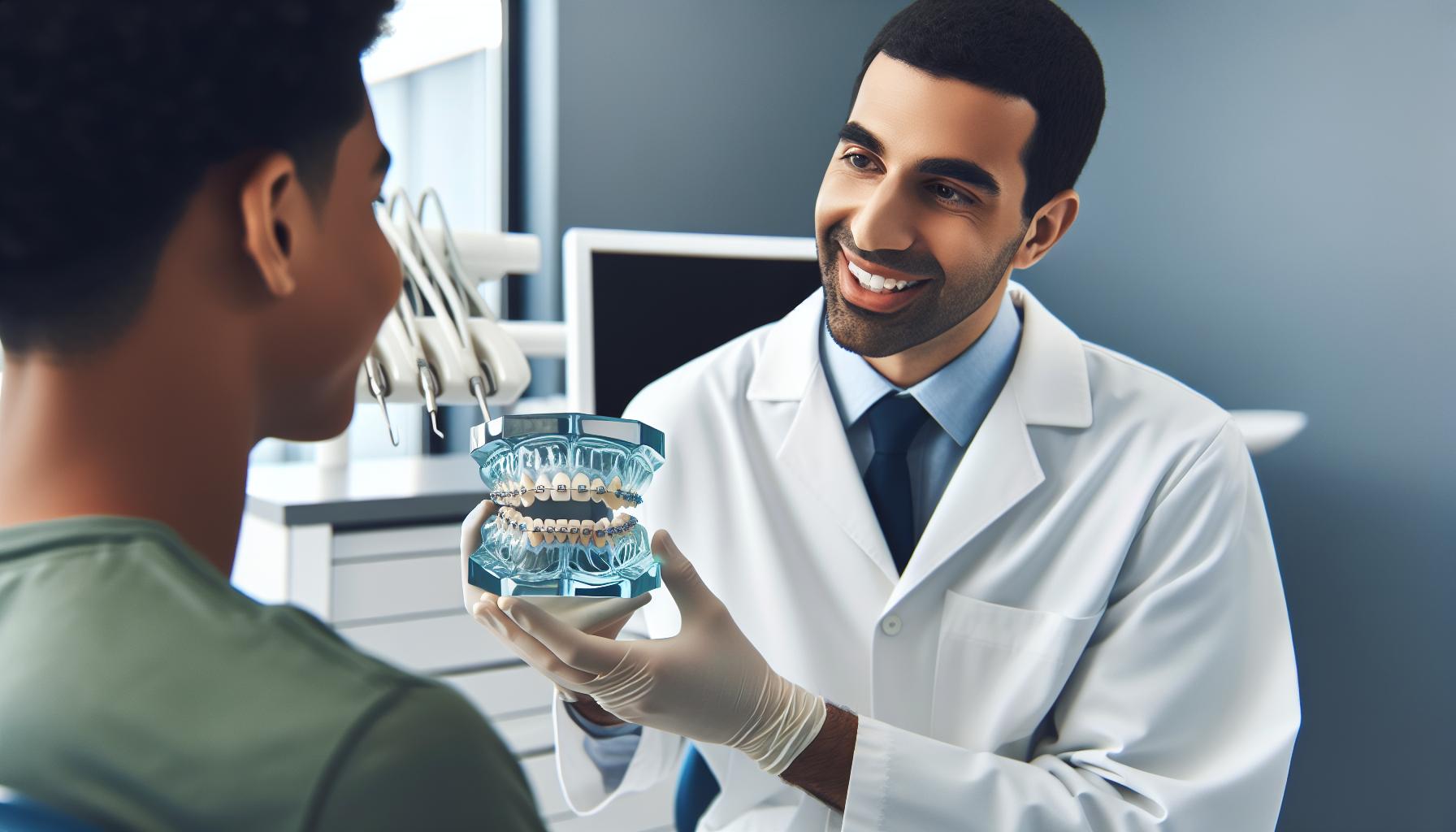
Does Braces Really Change Your Jaw Structure?
Braces are not only effective in straightening teeth; they can significantly influence the structure of your jaw. Many patients wonder if this means they will experience noticeable alterations to their facial appearance. The objective of orthodontic treatment is often to correct misalignments related to bite or jaw positioning, and this can lead to changes in the jaw’s alignment over time. As the teeth are gradually moved into their new positions, the corresponding movement of the jaw may also adjust, ultimately leading to better harmony between teeth and jaw structure.
Understanding this relationship is vital. During orthodontic treatment, braces apply continuous pressure to the teeth, encouraging significant and gradual movement. This can cause shifts not only in the position of the teeth but also in the surrounding supporting structures. More specifically, as the teeth are repositioned, the bone that supports the teeth remodels itself, adapting to these new alignments. This adjustment can potentially lead to improved function and aesthetics.
Factors influencing these changes include the individual’s age during treatment, the type of braces used, the severity of the misalignment, and the treatment plan established by the orthodontist. For instance, younger patients may experience more significant changes due to their developing bones, which are more malleable than those of adults. Thus, the conversation about braces often intertwines with considerations about overall facial aesthetics, as they can enhance facial contours by aligning the jaw and teeth more effectively.
Ultimately, it is essential to engage in open discussions with your orthodontist about what to expect. They can provide tailored insights regarding your specific case, addressing any concerns and setting realistic expectations for changes in jaw structure during and after treatment. Knowing what factors contribute to these transformations can help you feel more confident about your orthodontic journey and its potential outcomes.
Understanding the Science Behind Jaw Movement
The dynamics of jaw movement during orthodontic treatment with braces hinge on a fascinating interplay of biological processes. When braces are applied, they exert consistent and gentle pressure on the teeth, which is crucial for initiating movement. This force does not merely move the teeth; it also stimulates the underlying bone and soft tissues. As the teeth shift, the bone surrounding the roots remodels, allowing for a realignment of the jaw in harmony with the new tooth positions. This phenomenon, known as bone remodeling, is essential for accommodating the changes brought about by braces.
Mechanics of Bone Remodeling
Understanding the mechanics of bone remodeling can be quite enlightening. When pressure is applied to a tooth, the bone on that side of the tooth compresses, leading to a temporary state where the bone cells called osteoclasts break down existing bone structures. Simultaneously, on the opposite side where there is tension, osteoblasts are activated to build new bone. This cyclical process not only facilitates the movement of teeth but can also influence jaw alignment over the course of treatment.
Common questions often arise regarding how significant these jaw movements can be. Factors such as the type of braces, the age of the patient, and the specific misalignment all play a role in determining the extent of jaw changes. For younger patients, whose bones are still developing and more pliable, the potential for noticeable jaw realignment may be greater compared to adults.
In addition to biological factors, the methodical planning of orthodontic treatment can maximize jaw adjustments. Orthodontists utilize imaging technology to devise a tailored treatment plan that considers an individual’s anatomy and specific needs. This personalized approach helps ensure that changes to jaw structure are both effective and aesthetically pleasing, ultimately fostering improved function and appearance.
By appreciating the science behind jaw movement during treatment, patients can feel more informed and empowered in their orthodontic journey. Engaging with an orthodontist to discuss expectations and outcomes can help mitigate anxiety and foster confidence in the transformative potential of braces.
Common Myths About Braces and Jaw Changes
Misconceptions about braces and their impact on jaw structure abound, creating unnecessary anxiety and confusion for patients contemplating orthodontic treatment. One prevalent myth is that braces are solely for cosmetic purposes, implying they only change the positioning of teeth without affecting the jaw. In reality, braces utilize gentle, consistent pressure to reposition not only the teeth but also the surrounding bone, leading to real and functional changes in jaw alignment. This process can significantly enhance both dental health and aesthetics, especially in individuals with severe alignment issues.
Another common myth suggests braces are only effective for kids and teenagers. While younger patients often experience quicker changes due to more malleable bone structures, adults can also see substantial jaw improvements. In fact, modern orthodontics has advanced techniques that allow for effective treatment across all age groups. Many adults are opting for braces, knowing they can achieve a healthier bite and a more balanced facial profile.
Some individuals worry about the pain associated with jaw movement during braces treatment, believing that any discomfort indicates harmful changes. However, it’s essential to understand that mild discomfort is a normal part of the adjustment process, indicating that the braces are doing their job. Orthodontists design each treatment plan with care, ensuring movements are gradual and within safe limits to avoid any potential harm. Regular check-ups allow for adjustments based on the patient’s comfort and progress, reinforcing the importance of maintaining open communication with the orthodontic team.
Lastly, it’s a misconception that once braces are removed, any improvements to the jaw will revert. In truth, braces can lead to long-lasting changes, but maintaining these results requires commitment to post-treatment care. Retainers are often prescribed to ensure that teeth-and by extension, the jaw-retain their new positions. By understanding these common myths, patients can approach their orthodontic journey with clarity and confidence, paving the way for healthier smiles and improved jaw mechanics.
How Braces Affect Facial Aesthetics
The transformation that occurs with braces extends far beyond just straightening teeth; it substantially influences facial aesthetics. As braces guide teeth into their optimal positions, they also create a ripple effect on jaw alignment. This gentle, consistent pressure not only repositions the teeth but also modifies the silhouette of the face, enhancing its natural contours. Changes may include an improvement in the balance between the upper and lower jaw, resulting in a more harmonious profile that can boost self-esteem and confidence.
A critical aspect of the aesthetic impact is how braces can alter the appearance of the smile, which significantly contributes to one’s overall attractiveness. When teeth are aligned properly, they can enhance lip support, making the smile appear fuller and more youthful. Moreover, correcting bite issues can lead to a more relaxed jaw position that reduces tension and other associated facial strains, contributing to a more relaxed expression. Patients often report not only improved dental function but also a noticeable change in how they perceive their appearance, with many feeling more inclined to smile openly after treatment.
It’s also important to acknowledge that while the thought of wearing braces can induce anxiety about one’s appearance during treatment, the long-term benefits often outweigh these temporary concerns. Many patients emerge from their treatment period with renewed confidence and an enhanced sense of self-image. Dental professionals emphasize the importance of open communication, allowing patients to express their apprehensions and seek advice on how to manage any discomfort or aesthetic concerns.
Embracing this journey toward a better smile empowers individuals, assuring that the fleeting phase of wearing braces is a small price for the exciting transformation in facial aesthetics and overall well-being. The end result is not merely straighter teeth; it’s a revitalized sense of confidence and a broader, more genuine smile.
Factors Influencing Jaw Changes with Braces
The journey of orthodontic treatment with braces is not just about achieving straight teeth; it also plays a crucial role in reshaping the jaw. Several factors influence the extent and nature of jaw changes during this process, making it essential for patients to understand these dynamics to manage expectations and enhance their overall experience.
One significant element is the type of treatment used. Different braces, such as traditional metal braces, ceramic braces, or clear aligners like Invisalign, apply varying degrees of pressure on the teeth and jaw, influencing the rate and nature of jaw changes. For example, traditional braces often provide more significant force and control over teeth positioning, which can lead to more pronounced jaw realignment over time. Additionally, the specific orthodontic techniques employed, including the placement of brackets and the design of the archwire, can directly affect how teeth move and, consequently, how the jaw adjusts.
Age is another important consideration. Generally, younger patients experience more significant jaw movement than adults due to the flexibility of their growing bones. Children and teenagers not only have a more adaptable periodontal structure but also a higher capacity for bone remodeling, which enables quicker and often more effective adjustments to jaw alignment. For adults, while effective treatment is certainly achievable, the process may take longer and may require more tailored approaches to accommodate dense bone structures.
Genetics and Oral Health
Genetic factors also play a vital role in determining how a person’s jaw responds to braces. An individual’s unique dental and skeletal structure can influence treatment outcomes, meaning that some people may experience significant changes, while others perceive more subtle adjustments. Furthermore, existing oral health conditions, such as periodontal disease or misaligned bites, can hinder the effectiveness of braces and affect the resulting jaw position. It’s crucial for patients to address any underlying dental issues before starting orthodontic treatment.
Patient Compliance
Lastly, patient compliance cannot be overlooked. Actively following the orthodontist’s instructions regarding wearing appliances, attending scheduled appointments, and maintaining good oral hygiene are all essential for optimizing jaw alignment. For instance, consistent wear of elastics or other auxiliary devices prescribed during treatment can greatly enhance the effectiveness of braces in achieving desired jaw changes.
By understanding these factors and maintaining open communication with their orthodontist, patients can not only alleviate their concerns but also actively participate in the process of transformation. Knowing what influences their jaw’s movement empowers individuals to embrace the journey with confidence, anticipating the remarkable outcomes that braces can provide for their smile and facial structure.
The Role of Orthodontists in Jaw Alignment
The expertise of orthodontists is fundamental in the journey toward optimal jaw alignment, playing a crucial role in adjusting not just your teeth, but also the overall structure of your jaw. They use specialized knowledge and techniques to guide and monitor the alignment process, ensuring that each patient receives personalized care tailored to their unique dental anatomy and desired outcomes. Through comprehensive examinations and diagnostic imaging, orthodontists can identify the specific adjustments necessary to encourage proper jaw growth and alignment.
A key aspect of an orthodontist’s role involves creating a customized treatment plan that incorporates the right type of braces or aligners suited for the patient’s needs. This could range from traditional metal braces, which offer greater control of tooth movement, to clear aligners that provide more comfortable and less noticeable options for those worried about aesthetics. Each option comes with different factors regarding how they will affect the jaw and overall facial structure.
Monitoring Progress and Adjusting Treatment
As treatment progresses, orthodontists regularly evaluate tooth and jaw movement through follow-up appointments. This ensures that adjustments can be made in real-time, optimizing the effects on the jaw. For instance, if a patient is not responding as expected, the orthodontist can modify the type or tension of the braces, thereby providing greater control over the treatment process. This dynamic approach allows for flexibility, accommodating any changes that may arise during treatment, including unexpected growth in younger patients or shifts that may be occurring due to other dental issues.
Additionally, orthodontists are not only focused on esthetics but also function. They assess the patient’s bite, helping ensure that the jaw functions harmoniously once treatment is complete. Proper jaw alignment can lead to improved oral function, enhancing everything from chewing efficiency to overall jaw health.
In conclusion, the expertise of orthodontists is essential for achieving the desired changes in jaw alignment through braces. Their ability to personalizing treatments based on unique patient needs, along with ongoing adjustments and evaluations, ensures successful outcomes that contribute to improved aesthetics and function. By fostering open communication and setting realistic expectations, orthodontists can help alleviate patient anxieties, guiding them toward a more confident smile and a healthier jaw.
Expected Timeline for Jaw Changes During Treatment
The journey of bringing your jaw into proper alignment with braces can take time, but understanding the expected timeline for changes can make the process feel more manageable and reassuring. Typically, noticeable changes can begin to occur in the first few months of treatment, yet the full transformation often extends over several phases, depending on the complexity of your case and the type of braces used.
Generally, initial adjustments in jaw position might be evident within the first 3-6 months. During this phase, your teeth begin to shift, aligning more closely with the desired outcome as determined by your orthodontist. As these changes occur, you may start to notice improvements in your bite and overall comfort when chewing. This is also the time when patients might feel the most anxious about any pain or discomfort; however, it’s important to remember that mild discomfort often indicates that the braces are effectively working to reshape your jaw.
As treatment progresses, typically within a 12- to 18-month window, the effects on your jaw structure continue to solidify. Orthodontists frequently reassess progress and make adjustments that refine alignment, reducing any remaining spaces between teeth. This can also affect how your jaw sits within your skull, contributing to a more harmonious facial structure. It is crucial during this phase to adhere to follow-up appointments for adjustments, as these visits ensure that your treatment plan stays on track.
After the braces come off, the journey doesn’t end. Your orthodontist will likely recommend a retention phase which involves wearing a retainer. This step is essential for maintaining the changes achieved during active treatment and for preventing teeth from shifting back to their original positions. Full stabilization of your jaw may take anywhere from several months to a few years, depending on individual factors like age, bone health, and adherence to retainer use.
In summary, while the timeline for jaw changes during brace treatment can vary, patients can expect gradual improvements within the first few months, with ongoing adjustments leading to further refinements. By staying proactive and communicating with your orthodontist, you can navigate this transformative period with confidence, ensuring you achieve the best possible outcome for your dental health and facial aesthetics.
Post-Braces: Maintaining Your New Jaw Position
Achieving your ideal smile is a significant accomplishment, but the work doesn’t stop once the braces are removed. Maintaining the new position of your jaw is crucial for preserving the hard-won results of your orthodontic treatment. The retention phase-where you’ll wear a retainer-is not just a suggestion; it is an essential part of ensuring your teeth and jaw remain aligned. Retainers help keep your teeth in place while the surrounding bone and soft tissue stabilize after the initial pressure of braces is released.
Why Retainers Matter
Retainers are specifically designed to hold your teeth in their new positions. After the braces come off, your teeth are still susceptible to shifting. Consider these key points about the importance of retainer wear:
- Bone Remodeling: Once braces are removed, your jawbone needs time to adjust to the new position of your teeth. Retainers help support this remodeling process.
- Preventing Relapse: It is not uncommon for teeth to drift back toward their original positions without the constraint of a retainer. Wearing your retainer as directed helps stave off this potential regression.
- Long-Term Stability: Consistent retainer use, especially during the first few months post-braces, ensures your new jaw alignment is maintained, providing long-lasting results.
Executing a Retainer Care Routine
To get the most benefit from your retainer, establish a solid care routine. Here are some practical tips:
- Daily Wear: Initially, your orthodontist may recommend wearing your retainer full-time, except when eating or brushing your teeth. Over time, you may transition to nighttime wear.
- Cleaning Habits: Clean your retainer daily with a soft toothbrush and non-abrasive toothpaste, avoiding hot water which can warp the plastic.
- Regular Check-Ups: Schedule follow-up appointments with your orthodontist to monitor your teeth and adjust retainer wear as needed.
Understanding the Adjustments
As you adjust to life after braces, it’s normal to experience some uneasiness about the changes in your mouth. If you feel any discomfort or notice your retainer not fitting properly, don’t hesitate to consult with your orthodontist. They are there to provide guidance and ensure that the transition to your new smile is smooth and comfortable.
Staying proactive about your retainer use and dental health can ultimately play a vital role in the success of your treatment. It’s an adjustment period, but with dedication and care, you can maintain your beautifully aligned jaw and enjoy the results for years to come.
Potential Risks and Side Effects of Jaw Reshaping
The journey to a newly aligned smile through braces is often exciting, yet it can come with its share of concerns regarding jaw reshaping. It’s important to recognize that while orthodontic treatment can dramatically improve dental alignment, it may also introduce some risks or side effects as your jaw adapts to its new position. Most patients experience these changes positively, but having a comprehensive understanding can ease anxieties and prepare you for what lies ahead.
One notable aspect to be aware of is discomfort during the adjustment phase. As braces apply pressure to your teeth, this force transcends to your jaw, which may cause soreness or tension in the initial weeks or after adjustments. Managing any discomfort is crucial; over-the-counter pain relievers, as advised by your orthodontist, can be effective, while warm compresses may provide additional relief. Importantly, this discomfort is typically temporary and indicates that the treatment is working.
Another risk associated with jaw reshaping through braces is temporomandibular joint (TMJ) disorders. Some patients may experience symptoms like jaw popping, grinding, or stiffness, which could arise due to the repositioning of jaw structures. It’s advisable to maintain open communication with your orthodontist about any such symptoms. They can often recommend exercises or adjustments to your orthodontic regimen to mitigate these effects and promote joint health.
Finally, while aesthetic changes are generally desirable, the adjustment of facial contours connected to your jaw shifting can for some be a surprising aspect of treatment. These changes can enhance facial symmetry and balance but might take time to become apparent. Regular follow-up appointments are essential, allowing your orthodontist to monitor your progress and address any concerns you may have regarding how your appearance evolves over time.
By being informed and aware of these potential risks, you can approach your orthodontic treatment with greater confidence. The path to your ideal smile is filled with positive changes, and remaining proactive about concerns will ensure a smoother journey towards lasting results.
Comparing Braces to Other Orthodontic Treatments
When considering how braces impact jaw structure and facial aesthetics, it’s essential to evaluate them alongside other orthodontic treatments. While traditional braces are a common choice, there are alternative methods available that may suit individual needs and preferences. Understanding these options can empower patients to make informed decisions about their dental care.
Invisalign is one of the most popular alternatives to traditional metal braces. This system utilizes a series of clear, removable aligners to graduallyShift teeth into their desired positions. The major advantage of Invisalign is its aesthetic appeal, as the aligners are virtually invisible, making them a preferred choice for adults and teens looking to avoid the look of traditional braces. However, they require patient compliance, as they must be worn for 20 to 22 hours per day to be effective. Misalignment issues may not be as effectively addressed with Invisalign in more severe orthodontic cases compared to traditional braces that provide more comprehensive correction capabilities.
Another alternative is ceramic braces, which work similarly to traditional metal braces but are made of clear materials that blend more naturally with tooth enamel. This option is particularly appealing for those who desire effective treatment without the conspicuous appearance of metal. Ceramic braces, however, may be more susceptible to staining and require careful upkeep.
For those dealing with jaw misalignments, orthodontic appliances such as retainers, headgear, or functional appliances may be recommended to reposition the jaw and assist in correcting bite issues. These devices are usually used in conjunction with braces or as a standalone solution to achieve optimal jaw alignment. The role of the orthodontist is crucial in determining which methods will be most effective based on the individual’s specific dental and jaw structure concerns.
Key Considerations
- Comfort: Patients using clear aligners often report increased comfort compared to traditional braces, which can cause irritation to the gums and cheeks.
- Treatment Duration: Treatment timelines can vary significantly among different methods, with some requiring more frequent adjustments than others.
- Cost: While traditional braces are generally more affordable, options like Invisalign can be more expensive, affecting patient choice.
- Effectiveness: Complex orthodontic cases may still benefit most from traditional braces due to their ability to apply consistent tension across all teeth.
Understanding the variety of available treatments not only alleviates anxiety around choosing a method but also assists in setting realistic expectations concerning the potential impact on jaw structure and overall facial aesthetics. Open communication with an orthodontist can also guide you through the specifics of each treatment option to find the one that aligns best with your dental goals.
The Impact of Jaw Changes on Overall Health
The connection between jaw changes and overall health is significant and often overlooked. As braces work to align teeth and correct bite issues, they can lead to improved jaw function, which plays a vital role in comprehensive health. When teeth are aligned properly, the pressure distributed across the jaw during chewing and speaking is balanced. This can alleviate stress on jaw joints and muscles, minimizing discomfort associated with TMJ disorders, which can cause headaches, ear pain, and jaw stiffness.
Moreover, properly aligned jaws and teeth enhance oral hygiene. Misalignment can create nooks and crannies that are hard to clean, leading to a buildup of plaque and an increased risk of cavities and gum disease. By utilizing braces to correct these misalignments, patients can achieve better oral health, reducing the risk of more serious health issues that arise from untreated dental problems, including heart disease and diabetes.
A healthier jaw also contributes to better nutrition. When the bite is corrected, it becomes easier to chew food properly, allowing for better digestion and nutrient absorption. In addition, improved facial aesthetics from correct jaw alignment can boost self-confidence, which can lead to a more active social life and improved mental health. It’s essential to remember that the journey to a healthier jaw involves patience and regular visits to your orthodontist, who will monitor progress and make adjustments for the best results.
Key Benefits of Jaw Changes with Braces
- Improved Bite Function: Enhanced ability to chew and speak effectively.
- Relief from TMJ Symptoms: Reduction in headaches, jaw pain, and other TMJ-related issues.
- Better Oral Hygiene: Easier to clean teeth and gums, reducing cavity risks.
- Enhanced Nutrition: Improved ability to chew food properly, leading to better digestion.
- Increased Confidence: Positive changes in appearance can lead to improved self-esteem.
Embracing orthodontic treatment is more than just a cosmetic decision; it’s an investment in your overall health. By addressing jaw alignment through braces, you can pave the way for a healthier lifestyle that promotes not only better oral health but also enhanced well-being.
When to Consult an Orthodontist About Jaw Issues
Consulting an orthodontist regarding jaw issues is a pivotal decision for many, especially when discomfort, misalignment, or aesthetic concerns arise. If you’re experiencing persistent jaw pain, difficulty in fully opening or closing your mouth, or noticeable discrepancies in your bite, these may be indicators that it’s time to seek professional advice. It’s crucial to understand that early intervention can make a significant difference in your treatment outcome and overall comfort.
When considering a visit to an orthodontist, pay attention to key symptoms such as irregular wear on your teeth, recurring headaches, or jaw stiffness. These signs may not only signal potential orthodontic issues but could also indicate underlying problems like temporomandibular joint (TMJ) dysfunction, which can benefit significantly from timely orthodontic care. A thorough examination paired with advanced imaging techniques can help your orthodontist assess your specific situation and recommend an appropriate course of action.
It’s equally important to remember that your orthodontist is not just there to enhance your smile but to contribute to your overall health and well-being. They can offer valuable insights into how braces or other orthodontic appliances might alleviate discomfort and improve jaw functionality. This can lead to better chewing, reduced pain, and a satisfying outcome that aligns with your aesthetic goals. Don’t hesitate to communicate your concerns thoroughly; this collaborative approach can ensure that your treatment plan aligns with your expectations and needs.
Taking that first step towards orthodontic consultation can feel daunting, but it’s a move toward a more comfortable, confident you. Remember, your orthodontist is there to support you through every stage, addressing fears and providing guidance on what to expect during the process, including potential treatment timelines and aftercare. With commitment to your dental health and open communication with your orthodontic team, you can achieve the desired improvements that braces can offer.
FAQ
Q: How do braces affect jaw alignment?
A: Braces exert gentle, consistent pressure on teeth, gradually moving them into the correct position, which can improve jaw alignment. This adjustment helps correct bite issues and can lead to a more balanced jaw structure over time.
Q: What are the benefits of braces for jaw health?
A: Braces enhance jaw health by correcting misalignments and improving overall bite function. This can reduce strain on jaw muscles and alleviate issues like temporomandibular joint (TMJ) disorders, promoting long-term comfort and health.
Q: Can braces change the shape of my face?
A: Yes, braces can alter facial aesthetics by realigning teeth and jaw position, which may enhance facial symmetry and contours. These changes often lead to a more pleasing smile and profile, well-documented in orthodontic outcomes.
Q: When should I consult an orthodontist for jaw issues?
A: Consult an orthodontist if you experience persistent jaw pain, difficulty chewing, or noticeable asymmetry. Early intervention can lead to more effective correction and better overall dental health outcomes.
Q: How long does it take for braces to change my jaw structure?
A: Changes in jaw structure typically begin within the first few months of wearing braces. However, significant jaw realignment usually occurs over a treatment period of 1 to 3 years, depending on individual conditions and treatment plans.
Q: Are there risks associated with jaw changes from braces?
A: While braces are generally safe, risks include discomfort, potential tooth root resorption, and, in rare cases, misalignment if treatment isn’t properly monitored. Regular check-ups are vital for minimizing these risks.
Q: What should I expect after braces regarding jaw position?
A: After braces removal, you can expect an improved jaw position; however, retainers are often necessary to maintain new alignment. Regular follow-ups with your orthodontist help ensure lasting results.
Q: How do different types of braces affect jaw changes?
A: Different braces types, such as traditional metal, ceramic, and invisible aligners, can affect jaw changes variably. Traditional braces may offer more precise control over tooth movement, while aligners provide comfort and aesthetics but may require more time for specific jaw adjustments.
For further details on each question, please explore related sections in our article on jaw alignment and braces.
In Summary
Understanding how braces can change your jaw and facial structure is crucial for your decision-making process. As we’ve explored, braces not only align your teeth but can also lead to significant changes in facial aesthetics, enhancing your overall appearance and confidence. If you’re considering orthodontic treatment, don’t hesitate-schedule a consultation with a specialist today to discuss personalized options suited to your needs.
For further insights, check out our guides on the different types of braces and what to expect during your treatment journey. If you’re still wondering about the cost implications or aftercare, we have comprehensive resources to guide you through every step. Your path to a straighter smile and improved jaw alignment can start right now-take that next step for a brighter, healthier future! Remember, your smile transformation is just a click away!