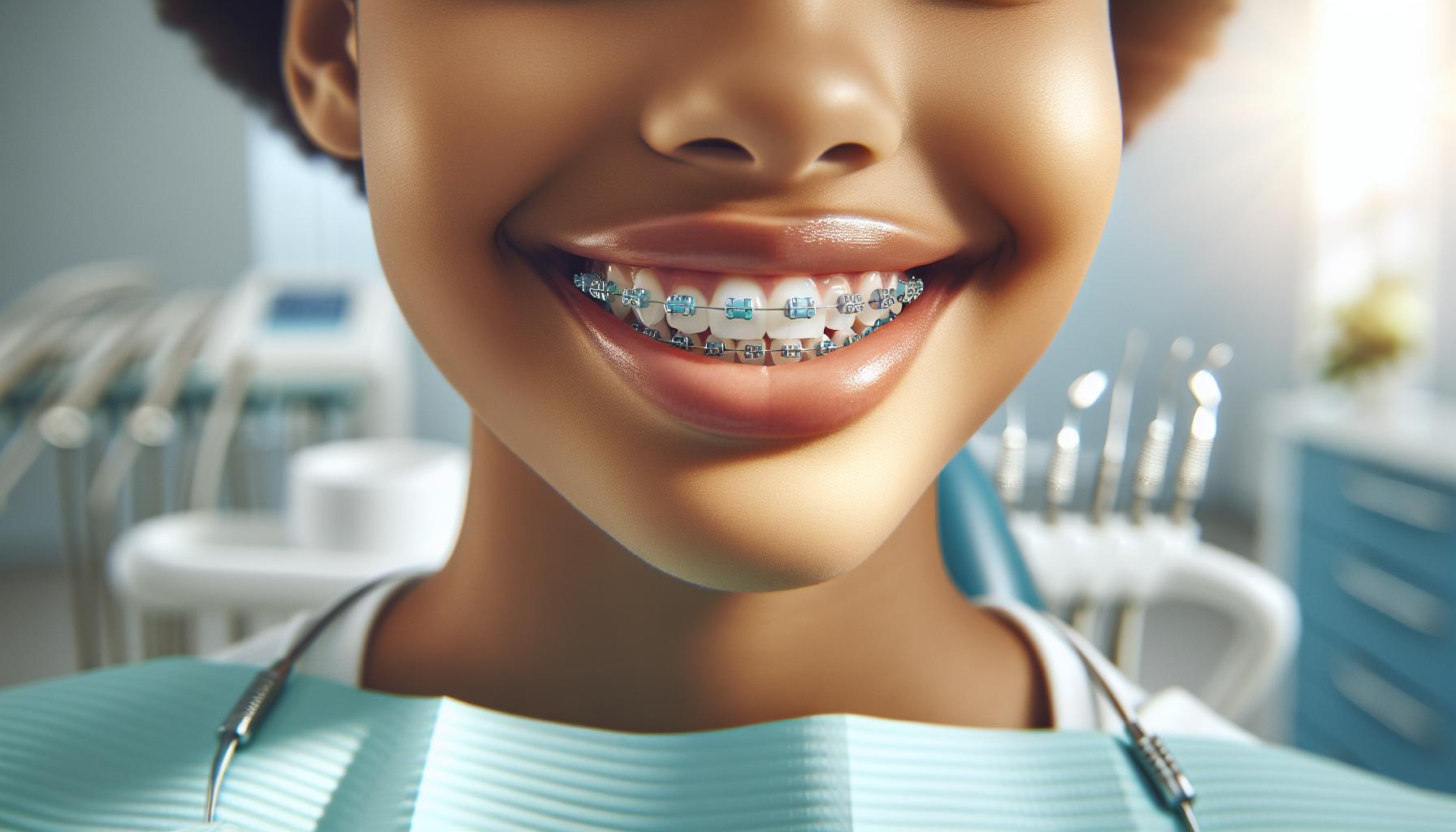
Did you know that more than 4 million people in the U.S. wear braces at any given time? This essential orthodontic tool not only enhances aesthetic appeal but also plays a crucial role in improving overall dental health. Understanding what braces are made of can help alleviate any concerns you may have as you navigate your orthodontic journey.
Braces consist of various materials, including metal, ceramic, and even plastic, each designed to suit different needs and preferences. Knowing how these materials work together can empower you to make informed decisions about your treatment. Whether you’re considering braces for yourself or a loved one, this comprehensive guide will illuminate the components and materials behind these smile-transforming devices, ensuring you feel confident and prepared for the steps ahead. Dive in to discover the fascinating world of dental braces!
Materials Commonly Used in Braces
The materials used in braces play a crucial role in their effectiveness, comfort, and aesthetic appeal, which are significant factors in a patient’s orthodontic journey. At the core of braces are several key components, each engineered for optimal performance and durability. Understanding these materials can help alleviate concerns and enhance your confidence in the treatment process.
Braces are primarily constructed from the following materials:
- Stainless Steel: The most common material for braces is stainless steel, valued for its strength, durability, and resistance to corrosion. This material is ideal for brackets and archwires due to its ability to withstand the forces needed to shift teeth.
- Ceramic: For those seeking a more aesthetic option, ceramic braces are made from tooth-colored or clear materials. While they blend well with the natural tooth color, they can be more fragile than their metal counterparts and may require more careful maintenance.
- Plastic and Polycarbonate: These materials are often used in brackets and bands for a more discreet look. While they may be less noticeable, they aren’t as strong as metal or ceramic and might be preferable for older teens or adults.
- Gold: Occasionally, gold-plated stainless steel is an option for those with metal allergies or for patients who prefer a distinctive style. Gold braces generally come at a premium cost but offer similar durability to stainless steel.
Each component of the braces is designed to work together harmoniously. For instance, brackets affixed to the teeth serve as anchors for the archwires, which apply pressure to the teeth to shift them into alignment. The choice of material impacts not only the braces’ functionality but also the comfort level during treatment and how visible they are in social situations.
As you embark on your orthodontic journey, understanding the materials used in your braces can empower you to make informed choices. Whether you are leaning toward the classic durability of metal braces or the subtlety of ceramic options, know that advancements in orthodontic materials continue to improve comfort and results. Additionally, staying proactive about your braces care-like avoiding hard or sticky foods-can extend their lifespan and enhance your treatment experience.
Understanding the Components of Braces
Braces are a marvel of modern orthodontics, engineering a pathway to straighter teeth and enhanced smiles. At the heart of their functionality lies a variety of components working together to achieve your dental goals. Let’s dive into the key parts that make up braces and how they interact to deliver effective treatment.
The foundational elements of braces include brackets, archwires, and elastic bands. Brackets are small devices bonded to the front of each tooth, serving as anchors for the archwires. They come in different materials, such as stainless steel, ceramic, or even plastic for a less noticeable option. Each bracket is designed to hold the archwire securely while allowing it to slide into place, ensuring constant pressure is exerted on the teeth.
The archwire itself plays a crucial role by connecting all the brackets. Made from highly flexible stainless steel or nickel-titanium, it provides the critical force needed to shift the teeth into their desired positions. Throughout treatment, the orthodontist will adjust the archwire to gradually increase tension, guiding your teeth to align perfectly over time. The concept may seem complex, but with each tightening of the wire, you’re one step closer to that beautiful smile you’ve been envisioning.
Another significant component is the elastic bands (or ligatures) that surround the brackets. These little bands can vary in color and serve to hold the archwire in place while also providing additional force to help move teeth into the right spots. The use of different tension levels among these bands can allow for variation in how quickly and effectively teeth align, tailoring the treatment to individual needs.
Understanding these components gives you a clearer picture of how braces function. They aren’t just a set of attachments on your teeth; they are a sophisticated system designed to orchestrate movement and alignment with precision and care. With advancements in materials and design, modern braces provide a comfortable and effective treatment experience, minimizing discomfort while maximizing results. Remember, communication with your orthodontist is key; don’t hesitate to discuss any concerns or preferences you may have regarding your braces.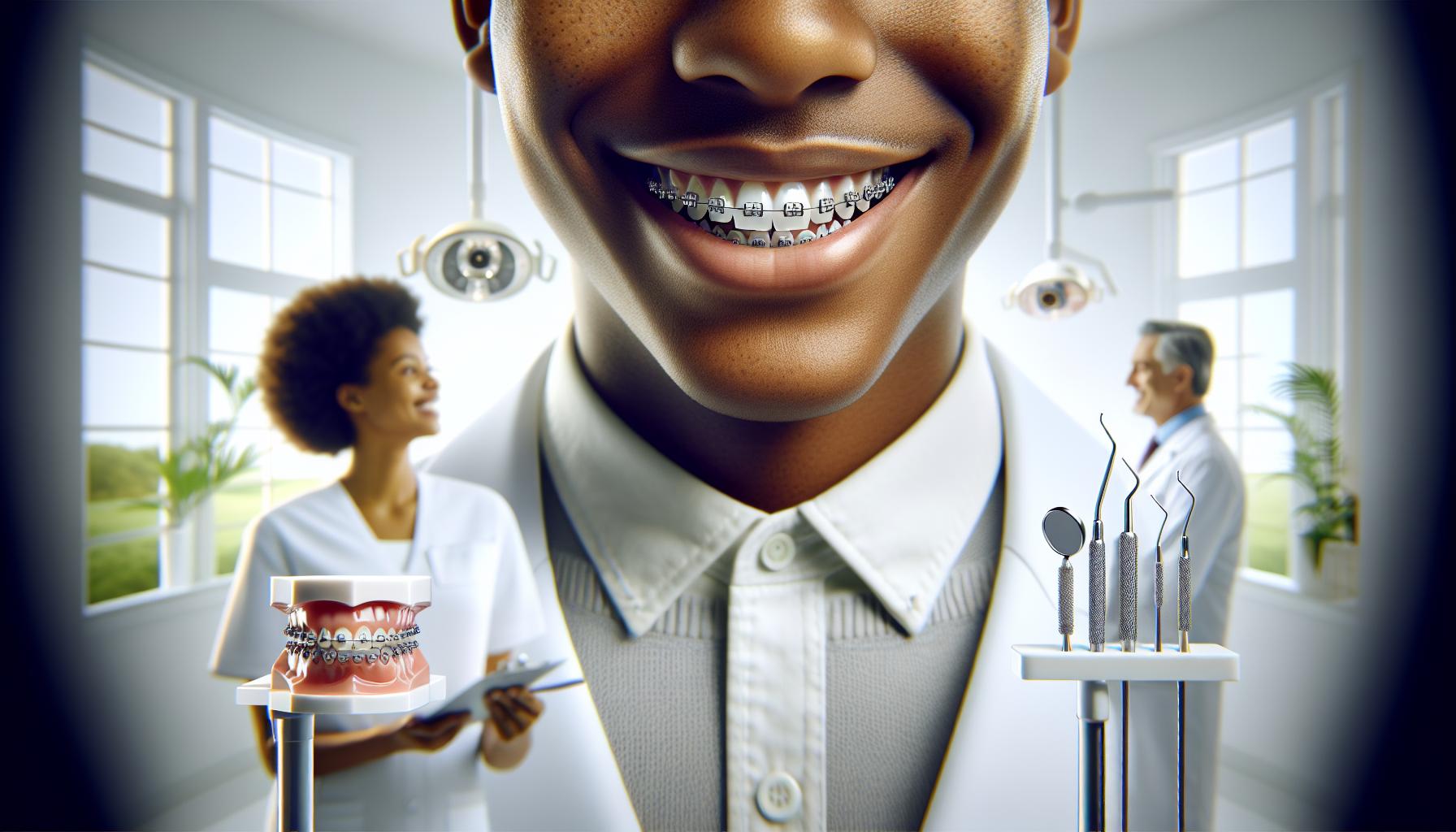
How Braces Work: A Simplified Explanation
Braces are ingeniously designed to manipulate your teeth into their perfect positions, using a system that spreads consistent, gentle pressure over time. The core principle behind how braces work revolves around the concept of controlled force. By applying steady pressure to your teeth, every component of the braces collaborates to create an environment in which your teeth gradually shift into alignment. This transformation isn’t instantaneous; it requires patience and regular adjustments by your orthodontist, often using the same components that initially seem complex.
At the heart of this process is the archwire, a flexible wire that connects all the brackets placed on your teeth. When an orthodontist tightens or adjusts this wire, it changes the positioning and pressure applied to each tooth, guiding them along the path set forth by the original wire design. The elasticity of the archwire ensures that it can exert the necessary pressure over time without causing damage or excessive discomfort. Each adjustment you receive in the orthodontist’s chair is a critical moment where your journey toward a healthier, straighter smile progresses.
Additionally, the brackets-the small metal squares bonded directly onto each tooth-serve not only as connectors for the archwire but also as anchors that hold the archwire in place. Paths of movement are carefully calculated based on your specific dental structure, ensuring that each tooth is gently encouraged to move in the correct direction. The flexibility and durability of materials used in brackets, whether stainless steel, ceramic, or other innovations, cater to varying needs and preferences in terms of visibility and comfort during treatment.
Lastly, elastic bands are often employed to provide additional force where needed, enhancing the movement of teeth in a controlled manner. These bands help support the intricate adjustments that align your bite and overall jaw positioning. Always remember, keeping an open line of communication with your orthodontist is vital. Discussing any discomfort or concerns can help tailor your treatment plan to better suit your individual needs, turning the process of getting braces into a positive and empowering experience on the way to your beautiful new smile.
The Role of Archwires in Orthodontics
A crucial component in the effective function of orthodontic braces is the archwire, which plays a vital role in the alignment and positioning of teeth. This flexible wire is responsible for connecting the individual brackets that are affixed to each tooth, serving as the primary medium through which controlled forces are exerted. When you visit the orthodontist for an adjustment, the archwire is typically tightened or repositioned, altering the pressure on the teeth and guiding them into their optimal positions. This process is not just about applying force; it’s about applying the right amount of consistent pressure over time to promote healthy tooth movement.
The materials used for archwires can vary, with options such as stainless steel, nickel-titanium, and beta-titanium offering different levels of strength, flexibility, and aesthetics. For example, nickel-titanium archwires are particularly popular due to their superelasticity, which allows them to provide gentle force and effectively return to their original shape even after being deformed. This is incredibly beneficial in the initial stages of treatment as it reduces discomfort while setting the foundation for tooth movement. On the other hand, stainless steel archwires are more rigid and are often used for more precise adjustments later on in the treatment.
Regular adjustments by your orthodontist are crucial for the archwire’s effectiveness. These adjustments may lead to temporary discomfort, but they are an essential part of orchestrating your treatment plan. During these appointments, your orthodontist will assess the progression of your treatment and determine if any changes to the archwire should be made to maximize its effectiveness. It’s normal to feel a little anxious about these adjustments, but know that they are strategically designed to move you one step closer to your beautiful new smile. Communicating openly with your orthodontist about any discomfort can also help to make adjustments more comfortable and less stressful.
Overall, the archwire is not just a simple component of braces; it is a dynamic element that helps orchestrate the complex process of moving teeth into alignment. By understanding its role and the materials used, patients can better appreciate the science behind their treatment and feel more confident as they embark on their journey to a healthier, straighter smile. Always remember, your orthodontic team is there to support you every step of the way!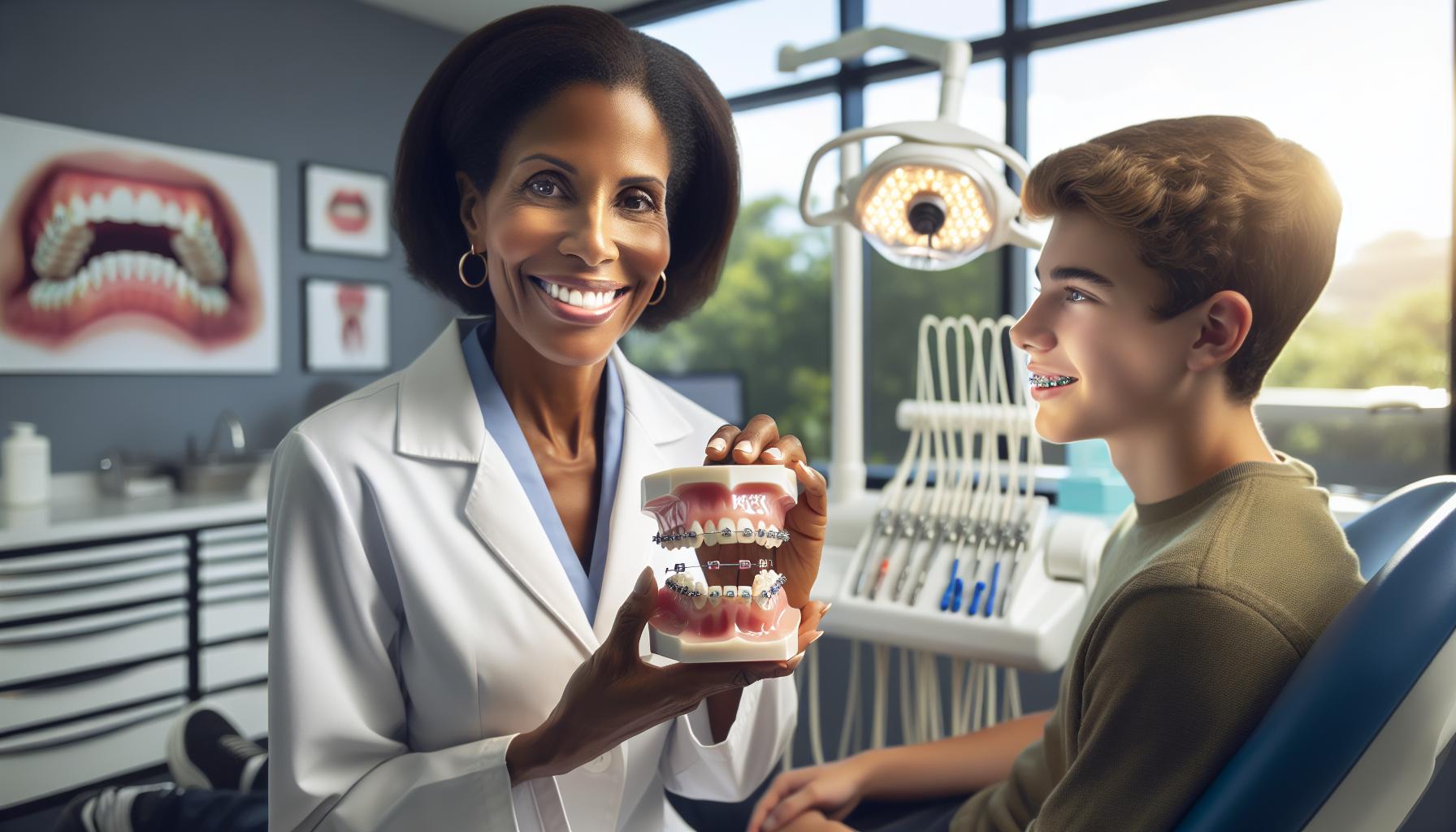
Brackets and Their Types: An Overview
Brackets serve as the foundation for orthodontic treatment, holding the archwire in place and providing the necessary force to guide teeth into their desired positions. Made from various materials, brackets can significantly impact the duration of treatment, overall comfort, and aesthetic appeal. Understanding the types of brackets available can help you make an informed decision during your orthodontic journey.
Types of Brackets
There are primarily three types of brackets used in orthodontics:
- Metal Brackets: These are the most commonly used brackets, made from stainless steel. They are durable and effective in applying force to align teeth. However, some patients may find their appearance less appealing, particularly adults looking for a more discreet option.
- Ceramic Brackets: Known for their tooth-colored appearance, ceramic brackets are less visible than metal ones. They blend in more naturally with the teeth but can be more brittle and may require more care to avoid staining or breakage.
- Lingual Brackets: Placed on the back of the teeth, lingual brackets are completely hidden from view. This option is particularly appealing for those who wish to maintain a natural smile during treatment. However, they can be more challenging to clean and may cause some initial discomfort until the tongue adjusts.
Choosing the Right Brackets
When deciding on the type of brackets, consider your personal preferences, lifestyle, and the specific recommendations of your orthodontist. Each type has its pros and cons; for instance, while metal brackets are robust and effective for complex cases, ceramic options may better suit those concerned about aesthetics. Additionally, all brackets require periodic adjustments to ensure effective treatment, which can involve some discomfort. Communicating any concerns with your orthodontist can help ease anxiety about these adjustments and provide a better understanding of what to expect.
As you consider your choices, think about factors such as durability, visibility, and sensitivity. Your orthodontist can guide you through the best options based on your individual treatment plan. Ultimately, knowing that the right brackets can help you achieve a beautiful, aligned smile can instill confidence as you embark on this transformative journey. Support from your orthodontic team will be invaluable in navigating this process, ensuring you feel comfortable and informed every step of the way.
Elastic Bands: Essential for Effective Treatment
Elastic bands, or ligatures, play a crucial role in the orthodontic treatment process, serving to enhance the effectiveness of braces by applying specific pressure to the teeth and aligning them into their desired positions. These small yet powerful components are typically made from rubber or elastic materials and come in various colors, allowing for customization and a bit of fun during treatment. Many patients appreciate the ability to choose distinct colors that express their personality, which can make the orthodontic journey feel a bit more enjoyable.
This vital accessory works in conjunction with brackets and archwires, helping to create the tension needed to shift teeth incrementally over time. Elastic bands are commonly used to facilitate bite movement and correct misalignments. For example, different configurations of elastic bands may be employed to address overbites, underbites, or crossbites, making them essential in tailoring treatment to meet individual needs. Although they may seem small, these bands are a linchpin in the overall treatment process, and proper usage is key to ensuring effective results.
It’s normal for patients to feel some discomfort when using elastic bands, especially during the initial adjustments or when new bands are installed. This sensation typically subsides as your mouth adjusts to the pressure. To manage any discomfort, over-the-counter pain relief can help, and maintaining communication with your orthodontist is vital. They can provide guidance on the best practices for wearing your elastics consistently, as regular wear is imperative to keep the treatment timeline on track.
For effective care, it’s crucial to minimize the risk of losing or breaking the elastic bands. Always keep extras on hand and be diligent about putting them back on after meals or snacks. Your orthodontist will provide specific instructions regarding wear duration and when to change them, and following these guidelines closely will help you achieve a beautiful and healthy smile more efficiently. Remember, consistent use of elastic bands, combined with regular orthodontic visits, sets the foundation for successful treatment, helping you get one step closer to that confident smile you deserve.
Choosing the Right Metal for Braces
When it comes to selecting the best metal for braces, understanding the materials involved can significantly enhance your comfort and treatment outcomes. Common options for the metal used in braces primarily include stainless steel, nickel-titanium, and sometimes cobalt-chromium alloys. Each of these metals has unique properties that can influence your experience and the effectiveness of your treatment.
Stainless steel is the most widely utilized material for braces due to its strength, durability, and corrosion resistance. It can withstand the forces exerted during the orthodontic treatment process while being relatively low-maintenance. This metal is hypoallergenic for most patients, making it a suitable choice for those concerned about metal sensitivities.
Nickel-titanium is often used for archwires because of its flexibility and ability to return to its original shape, which allows for smoother adjustments and more gentle pressure on the teeth. This feature can minimize discomfort during the initial stages of wearing braces. If you have a nickel allergy, it’s essential to discuss this with your orthodontist, as alternative materials might be available to ensure a comfortable experience.
Selecting the right metal also involves considering aesthetic aspects. While traditional metal braces are highly effective, some patients may prefer less noticeable options. Although ceramic braces are an alternative, they tend to be bulkier and more fragile than metal braces. Thankfully, advances in orthodontic technology have led to the development of clear ceramic and composite brackets that match the natural color of your teeth, providing a more discreet option while still requiring metal wires.
Ultimately, your orthodontist will help guide you in choosing the right metal based on your specific dental needs, aesthetic preferences, and any existing material sensitivities. Remember that regardless of the material, communication with your orthodontic team is key. They will ensure you feel supported throughout the entire process, addressing any concerns and helping you achieve a healthy, beautiful smile with confidence.
Innovations in Braces Materials: What’s New?
Advancements in materials used for braces have revolutionized orthodontic care, making treatment more comfortable, efficient, and aesthetically pleasing. One of the most exciting developments is the introduction of self-ligating brackets, which eliminate the need for elastic bands or metal ties. These brackets come with a specialized mechanism that holds the wire firmly in place, resulting in reduced friction and greater comfort during adjustments. Patients often experience shorter appointment times and fewer visits overall, which can ease some of the anxiety associated with lengthy orthodontic treatments.
Another noteworthy innovation is the emergence of 3D printing technology in creating custom orthodontic devices. This technology enables orthodontists to produce tailored braces that fit snugly and comfortably for each patient’s unique dental anatomy. 3D printing not only enhances accuracy and effectiveness but also minimizes the material waste typically associated with traditional manufacturing methods.
Additionally, materials such as thermoplastic plastics are increasingly being used in clear aligners. These advanced plastics are not only transparent and less noticeable than traditional metal braces but also more comfortable and easier to clean. Aligners can be removed for eating and oral hygiene, making them an attractive option for those who desire a discreet treatment solution.
As orthodontic technology continues to advance, innovations in biocompatible materials are paving the way for enhanced patient safety and comfort. New alloys and composite resins used in brackets and wires are designed to minimize allergic reactions and ensure a smoother ride on the journey to a straighter smile. This means that, for patients with sensitivities, selecting the right braces material can go a long way in ensuring a more pleasant experience throughout treatment.
Ultimately, these innovations in braces materials not only improve the aesthetics of treatment but also address common concerns about discomfort and maintenance. Consulting with an experienced orthodontist can provide clarity on the best material options based on individual needs and preferences, helping to ensure that every smile transformation is a rewarding experience.
Ceramic vs. Metal Braces: Pros and Cons
When it comes to choosing the right type of braces, one of the key decisions is whether to go for ceramic or metal options. Each type has its own set of advantages and drawbacks that can significantly impact your orthodontic experience. Understanding these can help you make an informed choice that aligns with your lifestyle and preferences.
Advantages of Ceramic Braces
Ceramic braces are often favored for their aesthetic appeal. Made from clear or tooth-colored materials, they blend in more naturally with your teeth, making them less noticeable than their metal counterparts. This can be especially appealing for adults or teens who are concerned about the visibility of traditional metal braces. Additionally, ceramic braces tend to cause less irritation to the gums and cheeks, a comforting feature for those who may be sensitive to oral devices.
However, they do come with certain caveats. Ceramic brackets are typically larger and may be more prone to breaking under pressure, which means they can sometimes require more care in terms of avoiding hard or sticky foods. They may also be more expensive than metal braces, and while they are less visible, the clear bands used can stain over time if dental hygiene isn’t maintained.
Advantages of Metal Braces
Metal braces are the most common and are often seen as the gold standard in orthodontics. They’re not only durable and effective for a wide range of dental corrections, but they also tend to be less expensive than ceramic ones. Metal braces can withstand more pressure, making them suitable for complex orthodontic treatments. Their strength ensures that they remain intact through the entirety of your treatment, reducing the need for frequent repairs.
On the downside, the visibility of metal braces might be a significant concern for some. Their shiny appearance can make them more noticeable, which may affect self-esteem, especially in social situations. Moreover, metal materials can cause more irritation to the mouth initially, although this often diminishes as the cheek gets accustomed to the braces.
In conclusion, the choice between ceramic and metal braces ultimately depends on what you value most in your orthodontic treatment. If aesthetics and comfort are priority, ceramic might be the right choice for you. On the other hand, if durability, effectiveness, and cost are more important, metal braces could be the better option. Consulting with your orthodontist can provide personalized guidance tailored to your unique dental needs.
The Importance of Proper Braces Care
Keeping your braces in optimal condition is essential for achieving the best possible results from your orthodontic treatment. Proper care is not just about maintaining the appliances themselves; it also plays a crucial role in your overall oral health. Neglecting to care for your braces can lead to dental issues, such as cavities or gum disease, which can delay your progress and may even cause discomfort.
To maintain your braces effectively, it’s vital to establish a consistent oral hygiene routine. Brush your teeth at least twice a day using a soft-bristled toothbrush and fluoride toothpaste. Make sure to use special brushing techniques around brackets and wires, ensuring you clean every nook and cranny where plaque can accumulate. Flossing can be challenging with braces, but it’s important to use orthodontic flossers or soft floss threaders to navigate around brackets and wires. Consider including a daily mouthwash that contains fluoride to further protect your teeth from decay.
In addition to regular brushing and flossing, it’s equally important to be mindful of what you eat. Hard, sticky, or chewy foods can damage your braces, leading to additional appointments and potential complications. Aim to cut fruits and vegetables into smaller pieces and avoid foods like popcorn, nuts, and hard candies. If you do indulge in a treat, ensure you rinse your mouth out with water to minimize residue and plaque buildup.
Lastly, schedule regular check-ups with your orthodontist. These appointments are crucial for monitoring your progress and making necessary adjustments. Your orthodontist can provide personalized advice on caring for your braces and address any concerns you may have about discomfort or issues you’re experiencing. Remember, diligent care today leads to a healthy smile tomorrow, turning your investment in braces into lasting confidence and satisfaction.
Maintenance Tips for Braces Users
Maintaining braces is crucial for achieving the smile you’ve always wanted. Proper care not only helps in keeping your wear comfortable but also ensures that your dental health remains top-notch throughout your orthodontic journey. A few simple yet effective habits can go a long way in safeguarding your braces and your teeth from potential issues like plaque buildup or damage.
To start, develop a robust dental hygiene routine. Brush your teeth at least twice daily using a soft-bristled toothbrush and fluoride toothpaste. Pay special attention to the areas around the brackets and wires where food particles can easily get trapped. Consider using a toothbrush designed for braces, which can make the process more efficient. Pair brushing with flossing-though this can be tricky with braces, using orthodontic flossers or waxed floss can help you navigate around brackets and wires more easily. Additionally, rinsing with an antibacterial mouthwash can provide an extra level of protection against cavities.
Diet plays a significant role in the maintenance of braces as well. Avoid foods that are hard, sticky, or chewy, as these can damage brackets or dislodge wires. Instead, opt for softer alternatives and cut crunchy fruits and vegetables into smaller pieces. If you find yourself craving a treat, always remember to rinse your mouth with water afterward to clear any remaining residue. Staying hydrated can also aid in your oral health by keeping your mouth clean and fresh.
Regular visits to your orthodontist are vital for monitoring the progress of your treatment and making necessary adjustments. Your orthodontist can offer tailored advice for maintaining your braces and will address any concerns you might have about discomfort or specific issues. Keeping these appointments will not only help keep your treatment on track but also reinforce your commitment to achieving the best possible outcome. By integrating these maintenance tips into your routine, you’ll be well on your way to a beautiful smile, while also ensuring that your brackets and wires stay intact and effective.
How to Prepare for Your Orthodontic Appointment
Preparing for an orthodontic appointment can feel daunting, especially if you’re new to the process of getting braces. Understanding what to expect can ease any anxiety you might have and empower you to participate actively in your treatment journey. One vital aspect of your preparation is to gather any necessary information regarding your current oral health, as this will help your orthodontist tailor the best treatment plan for you.
Start by reviewing your dental hygiene routine; ensure you’ve been maintaining it effectively even before the appointment. Good oral health is crucial when getting braces, as it minimizes the risk of developing cavities or gum issues during treatment. If you’ve noticed any problems, such as tooth sensitivity or discomfort, make a note to share these with your orthodontist. Additionally, consider writing down any questions or concerns you may have about your braces, the materials involved, or the treatment plan ahead. This proactive approach encourages open communication with your orthodontist.
Before your visit, double-check any paperwork or insurance information from your provider. Having this information readily available will facilitate a smooth check-in process. It’s also a good idea to avoid hard or excessively sticky foods leading up to your appointment, as you want to ensure your teeth and gums are in the best possible condition.
Lastly, remember to wear comfortable clothing and plan for a bit of extra time after your appointment. Your orthodontist may want to explain the next steps in your treatment, which will help you feel informed and confident moving forward. By taking these steps, you not only prepare for your visit but also set a positive tone for your orthodontic journey toward achieving the smile you’ve always wanted.
Faq
Q: What materials are commonly used to make braces?
A: Braces are primarily made from stainless steel, ceramic, or plastic. Stainless steel is durable and frequently used for brackets and wires. Ceramic braces offer a tooth-colored appearance for esthetics, while plastic is often used for clear aligners or components of less visible braces.
Q: How do the materials in braces affect treatment effectiveness?
A: The choice of materials impacts the durability and comfort of braces. Stainless steel provides strength and resistance to breaking, while ceramic can enhance esthetics. The right materials can also influence how effectively the braces apply pressure to teeth, resulting in a successful treatment outcome.
Q: Are there any hypoallergenic options for braces materials?
A: Yes, some orthodontic brackets are made from titanium, which is known for being hypoallergenic. Patients who are sensitive to nickel can ask their orthodontist for nickel-free options, which may include titanium braces.
Q: What innovations are there in braces materials?
A: Recent innovations include advanced ceramic materials that increase strength and reduce visibility, as well as memory wire that retains its shape to exert consistent pressure. These innovations enhance comfort and treatment efficiency, making orthodontic care more effective than ever.
Q: Do different types of braces have different materials?
A: Yes, traditional metal braces typically use stainless steel, while ceramic braces use tooth-colored materials for a less noticeable appearance. Lingual braces, which attach behind the teeth, can also vary in materials, often using metal brackets that are custom-fit to the individual.
Q: How do elastic bands in braces contribute to treatment?
A: Elastic bands are essential for aligning the teeth correctly. Made from medical-grade rubber, they connect brackets and help apply specific forces to teeth, ensuring optimal tooth movement during treatment. Regular changes of these bands are needed for ongoing effectiveness.
Q: How do I maintain braces made from different materials?
A: Maintaining braces requires good oral hygiene, regardless of the materials used. Brush twice a day, floss carefully, and use mouthwash. It’s particularly important for ceramic braces to avoid staining foods and beverages, while metal braces necessitate care to prevent damage to wires and brackets.
Q: What are the advantages of ceramic braces over metal braces?
A: Ceramic braces are less visible due to their tooth-colored brackets, making them a popular choice for adults and teens seeking a discreet option. They also blend better with natural teeth, though they may be more prone to staining and are generally less durable than metal braces.
Insights and Conclusions
Understanding what braces are made of is essential for making informed decisions about your orthodontic journey. With various materials-from durable metal to discreet ceramic-choosing the right type of braces can significantly impact your comfort and confidence. If you’re considering braces or still have questions about the process, don’t hesitate to explore our resources on types of braces and how braces work.
Ready to achieve the smile you’ve always wanted? Schedule a consultation today to find the best option tailored to your unique needs. Remember, the path to a straighter smile can start now-embrace the journey! If you found this guide helpful, share it with others and leave your thoughts in the comments below. Explore more articles to empower your dental health knowledge and stay informed!