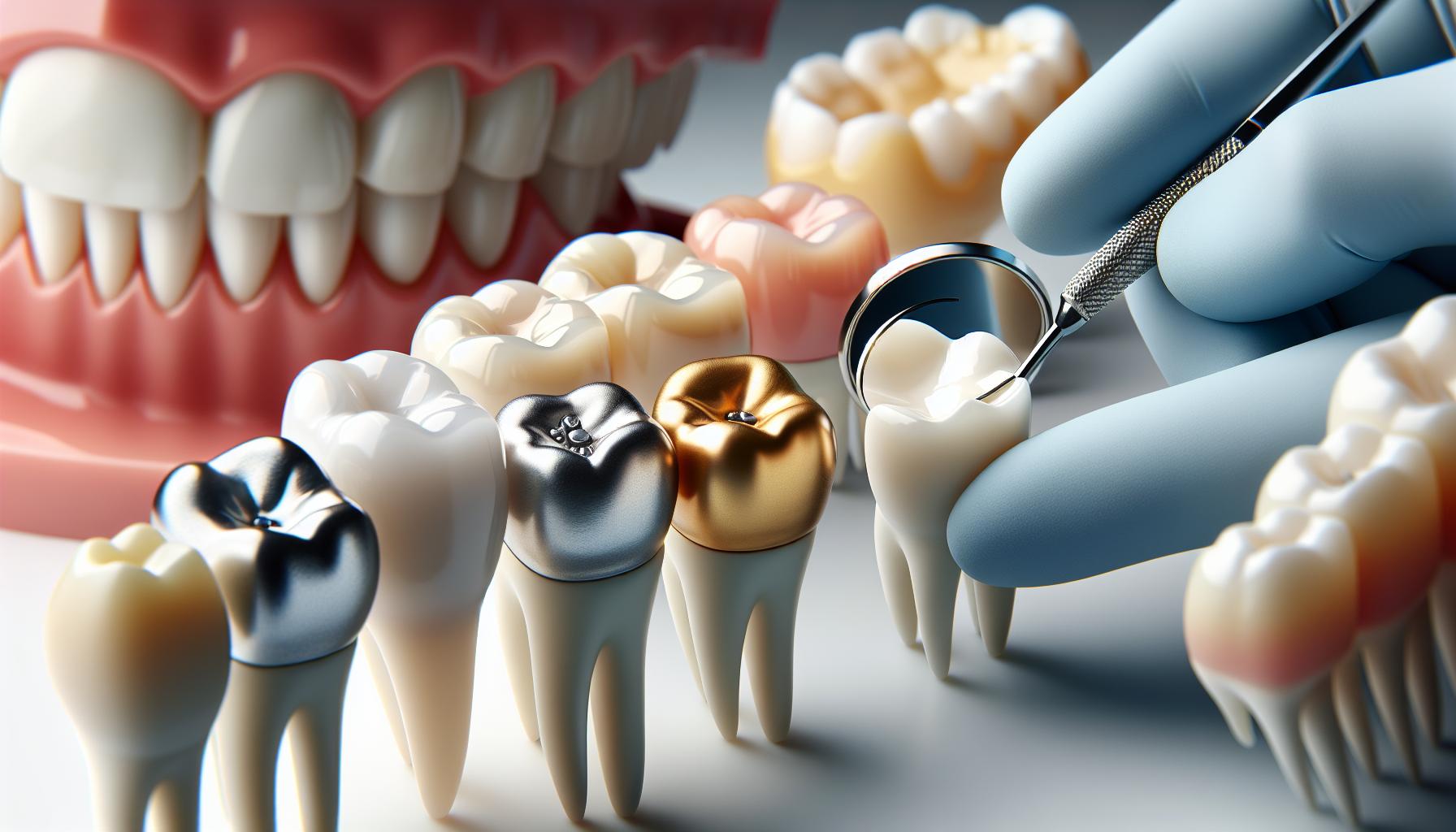
When it comes to dental health, many of us face the reality of needing tooth fillings at some point. A filling is not just a practical solution for cavities; it also impacts the aesthetics of your smile. Understanding what tooth fillings look like in terms of types and colors can ease anxiety about dental procedures and help you make informed choices about your care.
Whether you’re concerned about how a filling will change the appearance of your teeth or about which materials best suit your lifestyle and preferences, knowing the details empowers you. In this article, we’ll explore the various types of tooth fillings available, their colors, and what you can expect during and after the procedure. This knowledge can enhance your confidence in addressing dental issues and help you achieve healthier, happier teeth.
Types of Tooth Fillings: A Quick Overview
When it comes to dental care, understanding the various types of tooth fillings available can empower patients and alleviate some anxiety about the procedure. Tooth fillings are essential for repairing cavities and preventing further decay, and they come in several varieties, each with unique properties and benefits.
One of the most commonly used types of filling is composite resin, which is made from a mixture of plastic and fine glass particles. These fillings are popular due to their aesthetic appeal, as they can be color-matched to the natural shade of your teeth, making them less noticeable. Patients favor composite fillings for their versatility and durability, especially for visible areas of the mouth.
Another widely used filling material is amalgam, a blend of metals that include silver, mercury, tin, and copper. Amalgam fillings are known for their strength and longevity, often lasting 10-15 years or more. They are primarily used in the back teeth, where the pressure from chewing is greatest. Although they are more visible than composite fillings, many patients appreciate their cost-effectiveness and durability.
Additionally, there are other options like gold fillings and glass ionomer fillings. Gold fillings are exceptionally durable and can last several decades, making them a worthwhile investment for some patients despite their higher cost. Glass ionomer fillings release fluoride, which can further help in preventing decay, and are often used in areas prone to decay or in children’s teeth.
Understanding the types of fillings available not only helps in making informed decisions during dental visits but also ensures that you can select a filling that meets both your aesthetic preferences and practical needs. Always discuss your options with your dentist, who can provide personalized recommendations based on your specific dental health needs and concerns.
Materials Used in Tooth Fillings: What to Know
When considering dental fillings, it’s essential to understand the different materials used in these restorative treatments. Each material offers unique benefits, allowing you and your dentist to select the right option based on specific needs, aesthetic preferences, and budget. Knowledge about these materials not only eases any apprehension but also empowers you to make informed decisions about your oral health.
Composite Resins are a popular choice for many patients due to their natural appearance. Composed of a blend of plastic and fine glass particles, these fillings can be meticulously color-matched to your natural teeth, making them virtually indistinguishable after placement. They are ideal for fillings in visible areas, such as the front teeth, and are also quite durable, capable of withstanding normal chewing pressures.
Another common option is Amalgam Fillings. This material, made from a combination of metals including silver, tin, copper, and mercury, is renowned for its strength and longevity. Amalgam fillings are particularly effective for molars, where the forces from chewing are greatest. Although they are more noticeable due to their metallic color, many patients appreciate their cost-effectiveness, often lasting well over a decade.
In addition to these, there are other materials such as Gold Fillings and Glass Ionomer Fillings. Gold fillings, while more expensive, offer exceptional durability and can last several decades. For patients particularly concerned about decay prevention, glass ionomer fillings are beneficial as they release fluoride, providing extra protection against cavities and are often used in children’s teeth due to their lower sensitivity.
Choosing the right filling material is crucial not only for immediate repair but also for the long-term health of your teeth. Always consult with your dentist to discuss these options, evaluate their suitability for your specific dental issue, and develop a treatment plan that addresses your concerns while enhancing your overall smile.
Colors of Fillings: Matching with Your Teeth

Getting a tooth filling can be a considerable concern for many, especially when it comes to aesthetics. Did you know that dental technology has advanced to the point where fillings can be made to blend seamlessly with your natural teeth? This means you don’t have to compromise your beautiful smile simply because your tooth needs repair.
When it comes to color matching for fillings, composite resins are one of the most advantageous materials. They are designed from a mixture of plastic and fine glass particles that can be color-matched precisely to your natural tooth shade. This ability to customize allows for fillings that are nearly invisible, making them ideal for visible areas, such as the front teeth. The dentist will usually use a shade guide, a tool that presents various color options, to ensure that the filling seamlessly blends in with the surrounding dental structure.
Unlike composite fillings, amalgam fillings are recognizable due to their metallic color. While these fillings are incredibly durable and effective for molars that endure heavy chewing forces, they may not appeal to patients seeking a more discrete solution. If aesthetics are a priority for you, your dentist can discuss options that focus on material selection that will blend in more naturally.
It’s also worth mentioning that newer materials, such as glass ionomer fillings, provide additional benefits beyond aesthetics as they can also release fluoride, offering extra protection against decay.
Ultimately, the process of deciding on a filling color goes beyond simply matching to the shade of your teeth. It encompasses your individual needs, preferences, and the location of the filling. Make sure to communicate with your dentist about your concerns and aesthetic goals. They can guide you on the best options available, ensuring that your dental work not only restores functionality but also enhances your smile.
Composite Fillings vs. Amalgam: A Clear Comparison
When it comes to repairing tooth damage, the choice of material for fillings often sparks considerable discussion. The two most commonly used types are composite fillings and amalgam fillings, each with distinct characteristics that cater to different patient needs and preferences. Understanding these differences is essential for making an informed decision tailored to your dental health and aesthetic goals.
Composite fillings, composed of a resin that includes a mix of plastic and fine glass particles, are highly regarded for their aesthetic appeal. They can be custom-colored to match the shade of your natural teeth, making them nearly invisible when applied. This property makes them particularly suitable for visible areas, such as front teeth, where appearance is a priority. Additionally, composite materials bond well with the tooth structure, providing support and potentially reducing the risk of fracture. However, it’s important to note that composite fillings may not be as durable as amalgam when it comes to withstanding heavy chewing forces, making them better suited for smaller cavities or areas of lower stress.
On the other hand, amalgam fillings, made from a blend of metals including silver, mercury, and tin, are renowned for their strength and durability. They are particularly effective for back teeth where the force of chewing is greatest. Despite their robust nature, amalgam fillings are easily identifiable due to their metallic color, which can be a drawback for those concerned about aesthetics. Furthermore, while amalgam fillings have been a standard choice in dentistry for many years, modern advancements ensure that patients have numerous options that can align with both functional and cosmetic needs.
Ultimately, the decision between composite and amalgam fillings should factor in the specific location of the cavity, your personal aesthetic preferences, and the recommendations of your dentist. Open communication with your dental professional about your concerns and expectations can lead to a solution that not only restores your tooth’s functionality but also enhances your overall smile. By understanding the unique advantages and limitations of each filling type, you can approach your dental care with confidence, knowing that your choices align with your long-term oral health needs.
The Process of Getting a Filling: Step-by-Step
Understanding the process of getting a filling is crucial for anyone facing this common dental procedure. While the idea of dental work can be daunting, knowing what to expect can significantly ease anxiety and help you feel more in control. The procedure typically unfolds smoothly and is designed with your comfort and care in mind.
Initially, your dentist will begin with an examination of your teeth, usually accompanied by X-rays to determine the extent of damage and to select the appropriate filling material. Once the affected tooth has been identified, local anesthesia will be administered to numb the area. This step is vital for ensuring that you remain comfortable throughout the procedure. Many patients report that the sensation of the anesthesia is the most uncomfortable part, and it quickly subsides.
Following the numbness, the dentist will use specialized instruments to remove decayed tooth material. This process may produce some vibrations or sounds, but it should not cause pain. Once the decay is fully removed, the dentist will clean the cavity to prepare it for filling. This step is important because it prevents further decay and ensures that the filling adheres effectively to the tooth.
After the cavity is thoroughly cleaned and dried, the dentist will place the filling material. For composite fillings, a tooth-colored resin will be applied in layers, and each layer is hardened using a special light. If you are receiving amalgam fillings, the dentist will pack the materials into the cavity and shape it to match the natural contours of your tooth. Once the filling is in place, the dentist will check your bite to ensure a perfect fit. Finally, the dentist may polish the filling to provide a smooth finish.
What to Expect During the Procedure
- Duration: The entire procedure can take anywhere from 20 minutes to an hour, depending on the complexity of the filling.
- Post-Procedure Sensations: After the procedure, you may experience some lingering numbness for a few hours. It’s advisable to wait until the anesthesia wears off before eating to avoid biting your cheek or tongue.
- Pain Management: While discomfort is minimal, over-the-counter pain relievers can be used if needed. Be sure to follow your dentist’s recommendations regarding pain management.
Feeling nervous about dental procedures is completely normal. However, communicating your concerns with your dental team can result in a more personalized and reassuring experience. By understanding the step-by-step process and knowing that your dentist is focused on both your comfort and oral health, you can approach your filling treatment with greater confidence.
What to Expect During Your Filling Procedure
There’s a common misconception that dental fillings are uncomfortable or painful experiences, but knowing what to expect can significantly alter your outlook on the procedure. When you arrive at the dentist’s office, the first step usually involves a thorough examination of your teeth, often coupled with X-rays to identify any hidden decay. This initial assessment is crucial to ensure that your dentist selects the most suitable filling material for your needs.
Once the affected area has been identified, the dentist will administer local anesthesia. This step may cause a brief sting, but it is essential for minimizing discomfort during the procedure. Many patients find the numbing effect to be a relief, as it allows them to undergo the necessary work without feeling pain. After the anesthesia takes effect, the dentist will carefully remove the decayed tooth material using specialized instruments. While this process might produce some vibrations or sounds, it should not cause any discomfort.
Next, your dentist will clean the cavity to prepare it for the filling. Cleaning is a critical phase because it helps to prevent future decay and ensures a strong bond between the filling material and your tooth. Once the area is thoroughly dried, the filling will be placed. For composite fillings, a tooth-colored resin is layered into the cavity and cured with a special light, allowing for a seamless match with your natural teeth. Amalgam fillings, on the other hand, are packed into the cavity and shaped to fit perfectly, offering durability without sacrificing functionality.
After the filling is in place, your dentist will check your bite to ensure that everything is aligned properly. This ensures that you can chew comfortably without any issues. Finally, they may polish the filling to provide a smooth finish. Overall, the procedure can be completed within 20 minutes to an hour, depending on the complexity of the filling, and you may leave feeling relieved and ready to smile confidently again.
Being informed about the steps can help alleviate anxiety, enabling you to approach your appointment with greater assurance. If you have any concerns during the visit, do not hesitate to voice them; open communication with your dental team can greatly enhance your experience.
Recovery Tips After Getting a Tooth Filling
After having a tooth filling, taking care of your dental health during the recovery period is essential for ensuring the longevity of the filling and minimizing discomfort. While many patients feel relieved after their visit to the dentist, a bit of post-procedure care can go a long way in maintaining your oral health. Here are some useful tips and best practices to support your recovery.
Firstly, for the first 24 hours after getting a filling, it’s advisable to avoid chewing hard foods on the side of the newly filled tooth. This not only helps prevent excessive pressure on the filling but also allows your tooth to recover from the dental work done. Stick to softer foods such as yogurt, mashed potatoes, or smoothies during this time. If you opted for a composite filling and are concerned about the color match, remember that most modern materials are designed to blend seamlessly with your natural teeth.
In terms of oral hygiene, you can resume your regular brushing routine immediately after the anesthesia wears off; however, take care to be gentle around the filled area. It’s beneficial to rinse your mouth with warm salt water to alleviate any potential swelling and keep the area clean. Additionally, using a toothpaste designed for sensitive teeth can help manage any discomfort during this recovery phase.
If you experience discomfort or sensitivity after the procedure, over-the-counter pain relievers like ibuprofen or acetaminophen can be effective in managing pain. However, if the pain persists for more than a few days or becomes severe, it’s important to contact your dentist, as this could indicate that the filling has not set properly or that an underlying issue needs attention.
Finally, keeping track of how your filling feels in the days following the procedure is crucial. If you notice any unusual changes, such as heightened sensitivity, a gap, or if food frequently gets caught around the filled tooth, be sure to schedule a follow-up appointment with your dentist. Regular checks ensure that any issues can be addressed promptly, helping you maintain a healthy smile and confidence in your dental work.
Common Myths About Tooth Fillings Debunked
Misconceptions about tooth fillings can contribute to anxiety and doubts surrounding dental care. Let’s shine a light on some of these myths to help clarify the realities of fillings and empower you with knowledge.
One prevalent myth is that all fillings are made from metal, which can cause concern for those worried about aesthetics or sensitivity. In reality, fillings come in various materials, including composite resin, amalgam, porcelain, and glass ionomer, allowing for personalized treatment options based on your specific needs and preferences. Composite fillings, for example, can be color-matched to your natural teeth, making them virtually indistinguishable. This versatility ensures that patients can maintain their smile’s appearance while addressing cavities.
Another common belief is that getting a filling is an extremely painful procedure. Many fear the discomfort associated with dental work, but advancements in anesthesia and techniques make the process much more tolerable than before. Dentists prioritize patient comfort, often using local anesthesia to numb the area before any work begins. Many patients report feeling minimal to no pain during the filling procedure and leave the office feeling relieved and pleased with their care.
Additionally, some individuals think that once a filling is placed, they never need to worry about that tooth again. While fillings do help restore function and protect against further decay, they are not permanent solutions. Regular dental check-ups are crucial for maintaining overall oral health and identifying any potential issues early. Your dentist will assess the condition of the fillings during these visits, ensuring that any necessary replacements can be addressed proactively.
Lastly, there is a widespread belief that fillings weaken your teeth. In truth, when done properly, fillings help to restore the strength and integrity of a tooth compromised by decay or damage. Your dental professional will carefully select the right material and technique to ensure that your tooth can withstand normal chewing forces.
Understanding these myths helps demystify the dental filling process and provides reassurance. Remember, maintaining open communication with your dentist about any concerns or questions is essential for a positive experience and long-term dental health.
When to Replace a Tooth Filling: Signs to Watch For
It’s crucial to stay vigilant about the condition of your tooth fillings, as recognizing signs that indicate a need for replacement can help preserve your oral health and prevent more extensive dental issues. Over time, fillings can wear down, crack, or become dislodged due to normal chewing and biting activities. Paying attention to specific cues can inspire you to seek timely dental care and maintain a healthy smile.
Common indicators that a filling may need replacing include:
- Discomfort or Sensitivity: If you experience heightened sensitivity to hot or cold temperatures, or persistent discomfort when chewing, this may signal that a filling has deteriorated or that there may be decay beneath the filling.
- Visible Damage: Regularly inspect your fillings during your oral hygiene routine. Cracks, chips, or an obvious gap between the filling and the tooth can suggest that replacement is necessary.
- Loose Fillings: If your filling feels loose or shifts when you bite down, it can lead to food trapping and further decay. This is a definite sign to consult your dentist.
- Changes in Color: Any discoloration around the filling, particularly if it appears dark or stained, could be an indicator that the filling is failing and the underlying tooth may be at risk.
Acknowledging these signs and seeking prompt dental advice can significantly reduce the risk of complications and maintain the integrity of your tooth structure. Regular dental check-ups are essential, as dentists can monitor the condition of your fillings and address issues before they escalate. Remember, you’re not alone in this journey; many people share similar concerns about their dental health, and keeping an open line of communication with your dentist can empower you to make informed decisions about your care.
Cost of Tooth Fillings: A Comprehensive Guide
Understanding the cost of tooth fillings is essential for anyone facing dental procedures. The price of fillings can vary significantly based on multiple factors, including the type of filling material used, the location of the dentist, and the complexity of the procedure. Generally, you might expect to pay anywhere from $50 to $400 per filling, depending on these variables. Composite fillings, which match the color of your teeth, typically range from $135 to $300, while amalgam fillings, which are made from metal, might average around $150 to $250.
Factors Influencing Cost
Several factors can influence the overall cost of tooth fillings:
- Material Type: Different materials have different costs. Composite (tooth-colored) fillings are often more expensive than amalgam due to their aesthetic qualities and the materials used.
- Location: Dentists in urban areas or with higher overhead costs may charge more. It’s worth comparing prices from multiple practices in your area.
- Dentist’s Experience: A dentist with more experience or specialization may charge higher fees, but this often translates to a higher quality of care.
- Insurance Coverage: If you have dental insurance, coverage may significantly reduce your out-of-pocket costs. Most plans cover a portion of the filling expenses, particularly for amalgam fillings.
Insurance Coverage and Financing Options
If you have dental insurance, it’s advisable to check your policy for coverage details related to fillings. Most insurance plans typically cover either 50% or 80% of the costs, depending on whether the filling is classified as preventive or restorative. However, out-of-pocket costs can still be a concern, so exploring flexible payment plans offered by many dental offices can provide financial relief. Some offices might also participate in financing programs that allow you to pay for treatments in installments.
Dealing with Dental Anxiety and Cost Concerns
It’s completely natural to feel anxious about dental procedures, especially when considering costs. Being informed about what to expect can ease some of that anxiety. Communicate openly with your dentist about your concerns; they can provide reassurance and detail the steps involved in getting the filling. Remember, preventing decay with timely fillings can help save you from more extensive treatments in the future, which could be more expensive. Taking proactive steps to maintain your dental health is always a wise investment.
Understanding Dental Insurance Coverage for Fillings
can significantly ease financial concerns when facing necessary treatments. Many people are surprised to find that their dental insurance plans are designed to assist with the costs associated with fillings, helping to ensure oral health remains accessible. Typically, dental insurance plans cover a portion of filling expenses, classifying them as either preventive or restorative treatments. Depending on your plan, coverage might range from 50% to 80% of the total costs.
Before your appointment, it’s beneficial to confirm what your specific insurance policy covers. Most plans will have a copayment for restorative procedures like fillings, meaning that while you will pay out-of-pocket, a majority of the expense will be subsidized. Additionally, many dental offices offer financing options that allow you to spread out the cost of treatment. This flexibility can provide peace of mind and help alleviate any potential financial strain.
When discussing coverage with your dentist or their office staff, be sure to ask about how different types of fillings (such as composite versus amalgam) fare under your coverage. Composite fillings, known for their tooth-colored appearance, may sometimes come with higher out-of-pocket expenses; however, these costs can often be mitigated by understanding your policy better and knowing what is covered. By taking a proactive approach to understanding your insurance coverage, you empower yourself to make informed decisions regarding your dental care, ultimately enhancing your experience and ensuring the health of your teeth is maintained without undue stress.
Emotional Support: Managing Dental Anxiety During Procedures
Experiencing dental anxiety before a filling can feel overwhelming, but knowing that you’re not alone in this feeling can be reassuring. Many patients find themselves apprehensive about dental procedures, often due to fear of pain, the sounds of dental tools, or even just the unfamiliar environment. Recognizing these emotions is an important first step toward managing anxiety effectively.
One of the most helpful strategies for alleviating anxiety is to communicate openly with your dentist. Prior to your appointment, express any fears or concerns you may have. Most dental professionals are trained to help patients navigate anxiety and can offer options such as sedation dentistry or relaxing techniques during the procedure. Additionally, bringing along a friend or family member for support can also create a comforting presence to ease tension.
Practical Tips for Managing Anxiety
To further combat anxiety, consider implementing these practical strategies:
- Deep Breathing Exercises: Take a few moments before your appointment to practice slow, deep breaths. Inhale through your nose, hold for a few seconds, and exhale slowly through your mouth to calm your nerves.
- Distraction Techniques: Bring headphones and listen to music or an audiobook during your procedure. This can help distract you from the sounds of the dental office.
- Visualization: Picture yourself in a serene setting, such as a beach or a favorite place, to help divert your mind from the procedure.
- Establish a Signal: Create a non-verbal signal with your dentist to indicate if you need a break or if you’re feeling uncomfortable at any point.
Recovery should also be part of your anxiety management plan. Knowing that post-procedure discomfort is often manageable with over-the-counter pain relief can ease worries about what happens after the filling. Expect some soreness in the area, but this usually resolves quickly.
Finally, remember that dental professionals prioritize patient comfort as much as dental health. With the right support and coping techniques, you can navigate the filling procedure with confidence and ease your anxiety. It’s important to focus on the positive outcome-maintaining your oral health-so that your smile can shine brightly!
Q&A
Q: What do different types of tooth fillings look like?
A: Tooth fillings vary in appearance depending on their materials. Amalgam fillings are silver-gray and are often used in back teeth, while composite fillings can match the color of natural teeth, making them less visible. Glass ionomer fillings are also tooth-colored and used for small cavities.
Q: How can I tell if my tooth filling is damaged?
A: Signs of a damaged filling include sensitivity to hot or cold, pain when biting down, or visible cracks or discoloration. If you notice these symptoms, it’s best to consult your dentist promptly for evaluation and potential replacement.
Q: Are there fillings that match tooth color?
A: Yes, composite and porcelain fillings are designed to match the natural color of your teeth. These options are ideal for front teeth or visible areas, providing a more aesthetic solution compared to metal fillings, which are more noticeable.
Q: What is the lifespan of different types of fillings?
A: The lifespan varies by filling type: amalgam fillings usually last 10-15 years, composite fillings around 5-10 years, and porcelain fillings can last about 15 years or longer with proper care. Regular dental check-ups will help monitor their condition.
Q: Can fillings change color over time?
A: Yes, tooth fillings, especially composite varieties, can change color due to staining from food and drinks or wear over time. Regular oral hygiene can help minimize discoloration, and professional cleaning may revitalize their appearance.
Q: What are the risks of choosing a cheaper filling material?
A: Cheaper materials may not last as long, can lead to increased sensitivity, or may not adhere as effectively, leading to potential decay underneath. It’s important to balance cost with quality and durability when selecting filling materials.
Q: Do tooth fillings look different when they are new vs. when they age?
A: Yes, new fillings, especially composites, appear glossy and seamlessly blend with surrounding teeth. Over time, they may become dull or stained, which can affect their visual appeal. Regular dental care can maintain their appearance longer.
Q: How do I care for my fillings to keep them looking good?
A: To maintain filling appearance, practice good oral hygiene by brushing twice daily and flossing. Avoid hard foods that might crack fillings and schedule regular dental check-ups for professional cleanings and assessments.
Future Outlook
Now that you understand what tooth fillings look like, along with their various types and colors, it’s time to make informed decisions about your dental health. Remember, the right filling can not only restore your tooth but can also enhance your smile! If you’re still uncertain about the procedure or what materials might work best for you, don’t hesitate to reach out for a consultation.
Explore our articles on tooth anatomy and the importance of regular dental check-ups to learn more about keeping your teeth healthy and beautiful. By taking action today, you can ensure a brighter, healthier smile for tomorrow. If you found this guide helpful, please share it with others or leave a comment below; your experience may help someone else. Don’t forget to sign up for our newsletter for the latest insights on dental care and tips!