
Braces can transform your smile, but they often come with a common and frustrating hurdle: pain. Did you know that many patients experience discomfort for days after an adjustment? Understanding effective relief methods is essential for managing this pain and maintaining your confidence throughout the orthodontic journey. This article explores proven strategies to alleviate braces discomfort, from simple at-home remedies to over-the-counter medications, ensuring you can enjoy your path to a beautiful smile with greater ease and comfort. Keep reading to discover practical solutions that can help you tackle braces pain head-on, so you can focus on what truly matters: achieving a radiant smile that lasts a lifetime.
What Causes Pain When You Get Braces?
The experience of getting braces often brings an array of sensations, some of which can be uncomfortable or even painful. This discomfort mainly arises from the pressure exerted on your teeth and gums as the braces work to gradually shift them into their desired positions. When brackets and wires are first applied or adjusted, the body reacts to this new force, which can lead to soreness, particularly in the initial days following the application or adjustment of braces.
The types of pain associated with braces can vary significantly from patient to patient. For some, the primary feeling is a dull, aching sensation in the teeth and jaw, while others may experience sharper pains when chewing or biting down due to the tension in the brackets and increase in dental sensitivity. The gums may also become sore or swollen, adding to the overall discomfort. Understanding that these feelings are temporary and a normal part of the orthodontic process can be reassuring, as they indicate that the braces are doing their job.
In addition to the mechanical factors, psychological elements such as anxiety about what to expect can amplify the sensation of pain. Many individuals worry about how braces will affect their day-to-day activities, especially eating and maintaining oral hygiene. It’s important to communicate any concerns with your orthodontist, who can provide reassurance and guidance. By preparing yourself with knowledge and understanding about pain durations and methods for relief, you can better navigate this period of adjustment and focus on the positive outcome ahead-your beautifully aligned smile.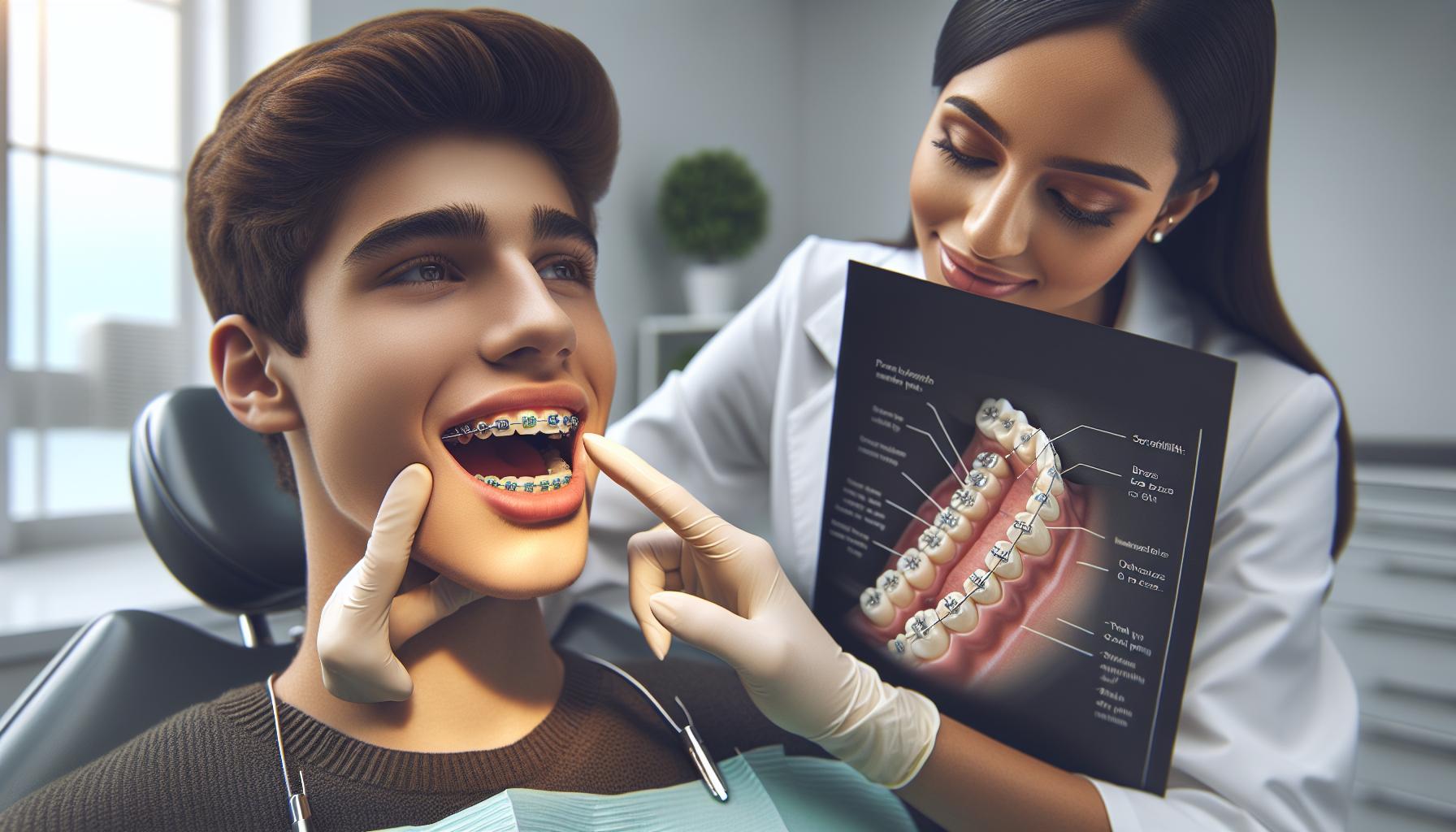
Understanding the Types of Braces Pain
The sensation of discomfort when getting braces is a common experience that many patients share. Understanding the types of pain involved can help demystify this process and alleviate some anxiety. When braces are first applied or adjusted, the primary sensation often manifests as a dull, aching pressure throughout the teeth and jaw. This occurs because the brackets and wires exert force on the teeth to move them into their desired positions, and the surrounding ligaments and gums react to these changes.
In addition to this general discomfort, some individuals report sharper pain, particularly when chewing, due to heightened sensitivity in the teeth. The inflammation caused by the braces can also lead to soreness or swelling in the gums, further contributing to the overall experience of discomfort. It’s important to recognize that these feelings are typically temporary and indicate that the treatment is progressing as intended. For many patients, this period of discomfort lessens significantly after the initial days following the application or adjustment of braces.Psychological factors also play a role; anxious thoughts about wearing braces can heighten perceptions of pain.
To combat these sensations, exploring effective pain relief methods is vital. Simple solutions like over-the-counter pain relievers can be beneficial, along with practical remedies such as saltwater rinses to soothe irritated gums. A proactive approach includes having soft foods readily available during the adjustment phase, as these can minimize discomfort and make eating a more pleasant experience. Listening to your body and communicating any ongoing pain or concerns with your orthodontist will ensure the best possible management of your orthodontic journey.
Effective Home Remedies for Braces Discomfort
Finding effective ways to manage discomfort during orthodontic treatment can significantly alleviate anxiety and enhance the overall experience of wearing braces. Many patients report that simple home remedies can provide substantial relief from the pressure and soreness associated with new braces or adjustments. By utilizing readily available items and methods, you can create an environment that promotes comfort while you adjust to your braces.
One widely recommended approach involves using saltwater rinses. Mixing a half teaspoon of salt in a cup of warm water and rinsing your mouth can help cleanse sores and promote healing in the gums. This practice not only reduces inflammation but also offers soothing relief after adjustments. Additionally, topical oral anesthetics, such as Orajel or Anbesol, can be applied directly to areas of sensitivity, providing immediate relief from sharp pain.
Incorporating cold therapy is also beneficial. Applying ice packs wrapped in a cloth around the outside of your mouth can effectively numb sore areas and reduce swelling. Aim to use the cold compress for 15 to 20 minutes at a time, allowing for intervals to prevent frostbite. When it comes to meals, opting for soft foods can greatly minimize discomfort; choices like yogurt, mashed potatoes, and smoothies are not only gentle on your teeth but also nutritionally satisfying.
Lastly, some have found comfort in the use of orthodontic wax. This can be applied to any brackets that may be causing irritation to the cheeks or gums, providing a barrier that allows for a more comfortable experience while eating or speaking. Staying hydrated and avoiding excessively hard, chewy, or sticky foods can also contribute to your overall comfort. By proactively utilizing these home remedies, you can navigate the discomfort of braces with greater ease and confidence, making this journey a more manageable one.
Proven Pain Relief Techniques After Adjustments
Adjustments to braces often lead to temporary discomfort as your mouth adapts to the changes. Knowing effective pain relief techniques can make this period much more manageable. One of the simplest methods is to utilize over-the-counter pain relievers, such as ibuprofen or acetaminophen, which are shown to reduce pain intensity significantly within just a few hours after taking them[[1](https://pmc.ncbi.nlm.nih.gov/articles/PMC6486038/)]. Remember to adhere to the recommended dosage on the packaging and consult with your orthodontist or dentist if you have any concerns.
Ice Therapy
Using cold packs can also be a game-changer. Applying an ice pack wrapped in a cloth to the outside of your mouth for 15 to 20 minutes can help numb sore areas and decrease swelling. This method is particularly effective right after an adjustment, as it actively combats inflammation and provides instant cooling relief. You can repeat this every few hours, allowing your teeth and gums some respite[[2](https://ferriorthodontics.com/5-tips-to-relieve-your-braces-pain/)].
Gentle Oral Care
Incorporating gentle oral care practices is essential in alleviating discomfort. Using a soft-bristle toothbrush and non-abrasive toothpaste will help in minimizing irritation to sore gums. Consider rinsing your mouth with warm salt water multiple times a day to cleanse and soothe your mouth, especially if you notice any sores.
Additionally, don’t overlook the value of orthodontic wax. Applying it to any brackets or wires that might be rubbing against your cheeks or gums can create a protective barrier, significantly reducing friction and irritation when eating or speaking. Remember to replace the wax regularly for optimal results.
Feed Your Comfort
Your eating habits can also contribute to comfort following an adjustment. Focusing on soft foods such as smoothies, yogurt, and soups can alleviate pain during meals. These choices are gentle on your teeth and gums while still providing necessary nutrition. Staying hydrated is equally important; sometimes, simply drinking water can help reduce discomfort by flushing the mouth of any irritants.
By implementing these pain relief techniques after adjustments, you can enhance your comfort significantly and make your orthodontic journey a more pleasant experience. If you find that discomfort persists despite trying these methods, don’t hesitate to reach out to your orthodontist for additional support and solutions.
The Role of Over-the-Counter Pain Relievers
Over-the-counter pain relievers can be your best allies during your orthodontic journey, especially when those initial moments of discomfort set in after getting braces or after adjustments. Medications like ibuprofen and acetaminophen have been shown to effectively reduce pain intensity within hours, providing much-needed relief when your teeth and gums feel sore. These medications not only alleviate discomfort but also allow you to go about your daily activities with less interruption, enabling you to eat and talk more comfortably.
It’s crucial to follow the instructions on dosage provided with these medications. Typically, taking them at the onset of discomfort can prevent the pain from escalating. For instance, if pain is expected after an adjustment, taking a dose prior to your appointment might help minimize discomfort once the braces are applied or adjusted. Additionally, be aware of any personal health conditions or potential medication interactions you may have, and consult your orthodontist or healthcare provider for tailored advice.
Integrating these pain relievers into your routine, combined with other methods of care, can create a comprehensive approach to managing braces pain. Practicing patience is key, as the discomfort generally subsides as your mouth adjusts to the braces. If you experience persistent or severe pain that doesn’t respond to over-the-counter options, it’s important to reach out to your orthodontist. They can assess your individual situation and recommend further treatment options or adjustments that can enhance your comfort.
How to Use Ice Packs for Sore Teeth
Applying ice packs to sore areas in the mouth can be a highly effective method for managing pain associated with braces. The cold temperature helps to reduce inflammation and numb the soreness, providing immediate relief, especially after adjustments when discomfort is often heightened. To make the most of this cooling technique, it’s essential to know how to use ice packs properly and safely.
Start by preparing a simple ice pack. You can use a commercial cold pack or create your own by filling a resealable plastic bag with ice cubes and wrapping it in a thin towel to protect your skin from direct contact with ice. Applying the ice pack directly to the outer areas of your cheeks where the braces may be causing discomfort can be particularly beneficial. Aim for short intervals of 15 to 20 minutes, allowing your skin to return to normal temperature between sessions to prevent frostbite.
Tips for Effective Use of Ice Packs
- Frequency: Use the ice pack as needed, especially after eating, when pain can be more pronounced.
- Position: Hold the ice pack against the areas of your gums or cheeks that feel most tender.
- Stay Comfortable: Find a comfortable position, perhaps lying back or sitting upright, to help you relax while using the ice pack.
- Hydrate: Drink cold fluids or eat cold soft foods along with using the ice pack to enhance relief.
Using ice packs can not only alleviate pain but also help patients feel more in control during their orthodontic treatment. Along with other pain management techniques, such as over-the-counter pain relievers, this simple method can significantly ease the discomfort of wearing braces. If you find that soreness persists despite these remedies, it may be a good idea to consult your orthodontist for further advice and personalized care strategies.
Eating Tips to Minimize Braces Pain
Adjusting to life with braces can be a unique challenge, especially when it comes to eating. The discomfort that comes with wearing braces can make mealtime daunting. However, choosing the right foods can significantly reduce the pain related to worn gear and promote a more pleasant eating experience. Opt for soft, slippery foods to minimize irritation against your braces. Foods like mashed potatoes, yogurt, smoothies, and cooked vegetables are not only easy to chew but also provide essential nutrients while being gentle on your mouth.
To further ease discomfort, consider cutting your food into smaller, manageable pieces. This reduces the pressure on your teeth, making it easier to chew without causing additional soreness. Foods like pasta, oatmeal, and eggs can serve as filling options that require minimal chewing. Additionally, avoid sticky foods like caramel or gummies, as they can cling to braces and increase the risk of damage or decay.
It’s also wise to stay hydrated, as drinking plenty of water can help wash away food particles and soothe your mouth. Cold foods can provide extra relief; consider enjoying ice cream or chilled fruit, which can help numb sore areas. Remember, incorporating small changes can make eating with braces much more comfortable and enjoyable, allowing you to focus on maintaining a healthy diet while undergoing orthodontic treatment.
Gentle Oral Care Practices for Braces Wearers
Maintaining proper oral hygiene while wearing braces is essential not just for comfort but also for the health of your teeth and gums. The presence of brackets and wires can trap food particles and plaque, making it easier for gum disease and cavities to develop. To ensure that your mouth stays clean and healthy, consider incorporating these gentle oral care practices into your daily routine.
First, investing in a soft-bristled toothbrush designed for braces can significantly enhance your cleaning routine. These brushes can effectively clean around brackets without causing discomfort to your gums. Pair this with a fluoride toothpaste to help strengthen enamel and protect against decay. It’s also important to spend extra time brushing, ensuring that all surfaces of each tooth are thoroughly cleaned. Aim for at least two minutes of brushing, focusing on small sections of your mouth at a time.
Flossing can pose a challenge with braces, but using floss threaders or orthodontic floss can simplify the process. These tools enable you to maneuver the floss around the wires and effectively remove plaque and food particles stuck between teeth. Making flossing a regular habit-ideally once a day-will make a noticeable difference in your oral health. Additionally, using an antimicrobial mouthwash can help reach areas that brushing and flossing might miss, and it can also reduce inflammation and promote healing in irritated gums.
Having braces may initially feel uncomfortable, but establishing these gentle oral care practices can ensure that discomfort is minimized and oral health is prioritized. Remember, the goal is to navigate through this period with as little pain or anxiety as possible, knowing that each step contributes to a beautiful and healthy smile in the long run.
When to Contact Your Orthodontist About Pain
Experiencing discomfort when wearing braces is common, but knowing when to reach out to your orthodontist can make a significant difference in your journey to a radiant smile. While soreness usually diminishes over time, certain signals indicate that you should not hesitate to contact your orthodontic specialist for guidance or intervention.
If the pain becomes severe, persists beyond a few days, or is accompanied by swelling or bleeding gums, this is a clear sign to consult your orthodontist. Unmanaged pain could indicate an issue, such as a loose bracket or a wire that is digging into your gums, which may require professional adjustment. Additionally, if you find that your usual pain relief methods, such as over-the-counter medications or ice packs, are ineffective, reaching out for help is essential.
Other reasons to contact your orthodontist include noticing any unusual changes in your teeth or gums, such as increased sensitivity or a feeling that your teeth are not shifting as expected. Regular check-ups are crucial to monitor adjustments and ensure everything is moving as planned. It’s important to remember that your orthodontist is there to support you through any challenges, and open communication about your experiences contributes to effective treatment management.
Long-Term Strategies for Managing Braces Pain
Many individuals undergoing orthodontic treatment worry about the discomfort associated with braces, but effective long-term strategies can significantly ease the pain and enhance comfort. By employing a combination of proactive measures, you can better manage the inevitable soreness that comes with braces, thus making your journey to a straighter smile much more manageable.
One crucial aspect of long-term pain management is maintaining good oral hygiene. Regular brushing and flossing not only promote gum health but can also minimize irritation caused by food particles stuck in the brackets. Consider using interdental brushes or special orthodontic flossers to reach those tricky spots. Additionally, rinsing with warm salt water can help soothe inflamed gums while promoting healing.
Another effective strategy involves making informed dietary choices. Soft foods like yogurt, smoothies, and mashed potatoes can be your best friends during the first few days after adjustments, as they are easier to chew and less likely to irritate sensitive teeth. Gradually reintroducing firmer foods can help your mouth acclimate without overwhelming discomfort. Staying hydrated is also essential, as it can aid in maintaining moisture in your mouth and reduce the feeling of tightness associated with braces.
Moreover, incorporating over-the-counter pain relief medications, such as acetaminophen or ibuprofen, can provide additional comfort, especially after orthodontic adjustments. Always follow the dosage instructions provided by your healthcare professional, and consult them if you have any concerns regarding medication use.
Embracing these strategies can empower you on your orthodontic journey, ensuring that discomfort becomes a manageable part of your process rather than a barrier. Remember, each day is a step closer to achieving the smile you’ve always wanted, and with the right approach, that journey can be a lot less painful.
Exploring Alternative Therapies for Relief
Alternative therapies can offer unique opportunities to manage discomfort associated with braces, complementing traditional methods of pain relief. Techniques such as acupuncture, acupressure, and mindfulness can not only alleviate pain but also contribute to an overall sense of well-being. While these options may initially seem unconventional, many patients have found them beneficial during their orthodontic journey.
Acupuncture and Acupressure
Acupuncture involves inserting thin needles into specific points on the body to promote healing and alleviate pain. Some studies suggest that acupuncture can be effective for pain management, including discomfort related to braces. Similarly, acupressure applies pressure to these same points, providing a non-invasive way to ease tension and pain. Patients looking to explore these therapies should consult with qualified practitioners who understand how these techniques can be safely integrated into orthodontic care.
Mindfulness and Relaxation Techniques
Practicing mindfulness can significantly help reduce anxiety about dental procedures and alleviate the emotional toll of pain. Techniques such as deep breathing exercises, visualization, or guided imagery can create a calming state that helps manage the perception of pain. Incorporating gentle yoga or meditation into your routine can further enhance relaxation, making it easier to cope with the stress and discomfort that braces may cause.
Herbal Remedies
Some individuals find that herbal treatments can provide additional relief. Herbs like chamomile or ginger can be consumed as teas, known for their soothing properties. You might also consider topical applications with anti-inflammatory herbs such as arnica, but it’s crucial to consult with a healthcare provider before trying any new remedies to ensure they are safe and appropriate for your situation.
Exploring these alternative therapies can empower you to take an active role in your discomfort management during your orthodontic treatment. Each method has its unique benefits, and finding the right combination that works for you can lead to a more pleasant experience with braces. Remember that maintaining an open dialogue with your orthodontist about any complementary methods you wish to try is essential, ensuring all aspects of your care are cohesive and aligned with your wellness goals.
Patient Stories: Coping with Braces Pain
Every patient’s journey with braces is unique, filled with both challenges and triumphs. Many individuals find that sharing their experiences helps normalize the discomfort and creates a sense of community. One such story comes from Emily, a high school senior who faced significant anxiety about getting braces. Despite her fears, she learned to cope with the discomfort through various strategies, including the use of over-the-counter pain relievers and mouth rinses recommended by her orthodontist.
Emily discovered that using ice packs on her cheeks was incredibly soothing during the initial adjustment phase. She would apply an ice pack wrapped in a cloth for 15-20 minutes at a time, which helped numb the area and reduce any swelling. Coupled with gentle saltwater rinses, Emily was able to alleviate soreness and expedite her recovery. She also swore by a soft-food diet during the first few days after adjustments, finding that smoothies, yogurt, and apple sauce not only provided comfort but also addressed her nutritional needs without exacerbating her pain.
Another patient, Jake, encouraged his peers to focus on the positive aspects of their orthodontic journey. He emphasized the importance of maintaining a regular routine of oral care while wearing braces. “It’s about building healthy habits,” Jake explained, noting that he always followed up brushing and flossing with a comforting mouthwash formula to keep his gums less sensitive. He encouraged others not to shy away from discussing their pain with their orthodontist, reminding everyone that adjustments can be made to improve comfort.
Sharing these personal stories not only helps patients cope but also empowers them to seek out solutions that work for them. Whether it’s implementing simple strategies like using orthodontic wax to cover any irritation or incorporating relaxation techniques to manage stress, being proactive in managing braces pain transforms the experience into an empowering journey.
Q&A
Q: What can I take for braces pain relief?
A: Over-the-counter pain relievers such as paracetamol and non-steroidal anti-inflammatory drugs (NSAIDs) can effectively reduce pain from braces. They work best when taken shortly after adjustments or when discomfort begins. For more details, see “The Role of Over-the-Counter Pain Relievers” in our article.
Q: How long does pain from braces last?
A: Pain from braces typically lasts for 2-3 days after adjustments. This discomfort may gradually decline during this period. For effective management, consider ice packs and recommended pain relievers to ease soreness.
Q: Are there any natural remedies for braces pain?
A: Yes, rinsing with warm salt water can soothe irritated gums and help reduce swelling. Additionally, applying cold compresses to the outside of the jaw can provide relief. Explore “Effective Home Remedies for Braces Discomfort” in our article for more tips.
Q: Why does braces pain occur?
A: Braces pain occurs as the teeth shift to their new positions, placing pressure on the gums and supporting tissues. This is a normal part of the orthodontic process. Understanding these causes can help prepare you for discomfort.
Q: When should I see an orthodontist about braces pain?
A: If braces pain persists beyond a few days or is accompanied by significant swelling, bruising, or broken hardware, contact your orthodontist. It’s essential to ensure that your treatment is progressing correctly and comfortably.
Q: Can I eat with braces pain?
A: Yes, but it’s advisable to stick to softer foods that are easier to chew, such as yogurt, mashed potatoes, or smoothies during the initial days of discomfort. Refer to “Eating Tips to Minimize Braces Pain” in our article for more recommendations.
Q: How can I numb braces pain at home?
A: You can use oral anesthetics like Orajel or Anbesol directly on the affected area for numbing relief. Additionally, ice packs applied externally can also help minimize pain.
Q: What should I do if my braces are causing excessive pain?
A: If you experience excessive pain that doesn’t subside, inspect for any issues with the braces, such as loose wires or broken brackets. It’s best to consult your orthodontist for adjustments or solutions.
The Conclusion
Managing braces pain can feel overwhelming, but with the right methods and care strategies, you can find relief and embrace your journey to a beautiful smile. Remember, ice packs, over-the-counter pain relief, and soft foods are great resources to help reduce discomfort during your orthodontic treatment. If you still have questions or concerns, don’t hesitate to reach out to your orthodontist for personalized advice.
For more insights, explore our articles on Dealing with Orthodontic Emergencies and Tips for Maintaining Oral Hygiene with Braces. Stay informed, and don’t miss the chance to subscribe to our newsletter for the latest tips on dental health and orthodontics. Your path to a healthier smile starts here-let’s navigate it together!