
Did you know that one in four adults has experienced a tooth filling that has fallen out at some point in their lives? This common dental mishap can be unsettling, leaving many unsure of what to do next. Promptly addressing a lost filling is crucial not only for preventing discomfort but also for safeguarding your dental health.
If a filling falls out, it’s natural to feel anxious about potential pain or damage. However, understanding the immediate steps to take can empower you to manage the situation effectively. This guide will walk you through essential actions and tips to minimize discomfort while ensuring your dental well-being. Read on to discover how to navigate this challenge with confidence and restore your peace of mind.
What to Expect When a Filling Falls Out
Experiencing a filling fall out can be startling, leaving you uncertain about the next steps to take. It’s important to remember that while this may feel alarming, it’s a common occurrence and manageable with the right approach. When a filling dislodges, the tooth remains vulnerable to further damage, sensitivity, and even infection, depending on the situation. The first thing to anticipate is the potential discomfort or heightened sensitivity in the affected tooth, which can vary from mild to intense. You might also notice a rough edge where the filling used to be, which can irritate your tongue or cheeks.
Once you realize that a filling has come loose, your immediate focus should be on maintaining oral hygiene. Rinsing your mouth gently with warm salt water can help reduce any inflammation and bacteria in the exposed area. While it’s crucial to avoid chewing on that side of the mouth to prevent further damage, be mindful that sensitivity may linger, especially to hot or cold foods. You may even feel a sense of anxiety or concern about what this means for your dental health. Rest assured that many people undergo similar experiences, and dental professionals are well-equipped to handle such situations with expertise and understanding.
Finally, before heading to the dentist, you might want to consider a few temporary solutions. If the filling has completely fallen out, avoid using any dental cement or adhesive yourself, as this can complicate professional treatment later. Instead, use a piece of sugar-free gum to cover the area and protect it until your appointment. By being aware of how to manage the situation, you can ease your worries and ensure you’re prepared for a visit to your dentist, who will assess the damage and recommend suitable treatment options.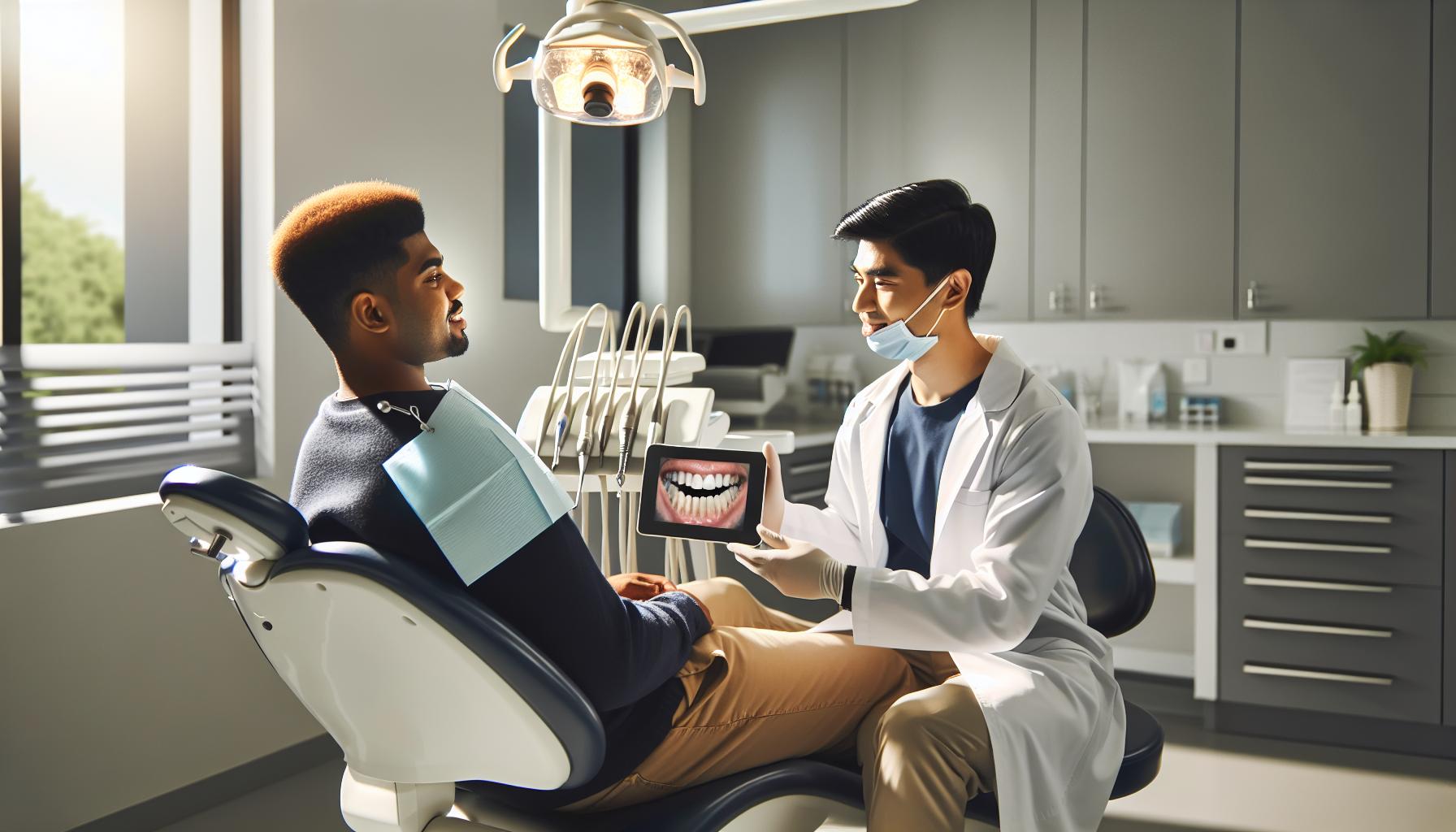
Immediate Steps to Take After Losing a Filling
Experiencing a filling that has come loose can feel disconcerting, but taking immediate steps can help you manage the situation effectively. First and foremost, ensure your oral hygiene remains a priority. Gently rinse your mouth with warm salt water to clean the area and reduce inflammation. This simple solution can help eliminate bacteria and soothe any irritation, providing some relief until you can get to the dentist. If you’re experiencing discomfort or sensitivity, try to avoid chewing on that side of your mouth to prevent further damage.
It’s common to feel a bit anxious after losing a filling, especially if you’re unsure about what will happen next. Recognizing that many people face this issue can provide some comfort. As you prepare for your dental visit, it’s helpful to keep the area protected. If the filling has completely fallen out, instead of attempting to use dental glue or adhesive-which could complicate future treatment-consider placing a small piece of sugar-free gum in the hole to shield the tooth from external irritants. This makeshift solution can provide temporary relief and help you navigate through the day until you see your dentist.
Additionally, be mindful of any changes in your symptoms. If you notice increased sensitivity to hot or cold foods, this is a natural response to the now-exposed tooth. Staying away from such triggers can prevent unnecessary discomfort. Being prepared with this knowledge and these steps can help ease your worries as you await professional care, knowing that your dentist is trained to handle such situations with the necessary expertise and compassion.
Common Causes of Tooth Fillings Coming Loose
Losing a filling can be frustrating, but understanding the reasons behind these mishaps can help alleviate some of the anxiety surrounding them. Fillings are designed to restore teeth impacted by decay, but they can come loose for several reasons.
One of the primary culprits is the normal wear and tear that occurs over time. Fillings, whether they are made of amalgam, composite resin, or other materials, can naturally deteriorate through regular chewing and grinding. Habitual bruxism, or teeth grinding, can exacerbate this issue, applying excessive pressure that compromises the filling’s integrity.
Another significant factor is the condition of the tooth itself. If a tooth is severely decayed or cracked, it may not provide a stable connection for the filling, leading to detachment. In some cases, the bond between the filling and the tooth can weaken due to changes in temperature, which expand and contract dental materials. Additionally, improper placement of the filling or insufficient surface area to bond with the tooth structure can also lead to a greater risk of dislodgment.
It’s also essential to consider external factors such as diet and oral hygiene practices. Those who consume a lot of sugary or acidic foods might experience more rapid degradation of fillings. Poor oral hygiene can lead to decay around the filling, causing it to loosen or fall out completely.
Being aware of these causes allows for proactive measures that can help extend the life of your fillings. Regular dental visits for check-ups and cleanings, alongside consistent oral hygiene practices at home, are fundamental steps in preventing future issues. Understanding the dynamics at play not only helps in reducing anxiety but also empowers you to take control of your dental health effectively.
Home Remedies for Pain and Discomfort
Experiencing pain or discomfort after losing a filling is common, and knowing how to manage it can help you feel more in control until you can see your dentist. Firstly, keeping the area clean is crucial. Gently rinsing your mouth with warm salt water can help reduce inflammation and cleanse the area of any debris that might contribute to discomfort. Just mix about half a teaspoon of salt in a cup of warm water, swish it around, and then spit it out.
Over-the-counter pain relief medications can be highly effective for managing any discomfort. Nonsteroidal anti-inflammatory drugs (NSAIDs) like ibuprofen can minimize pain and inflammation, while acetaminophen can provide effective relief without the anti-inflammatory effects. Always follow the dosing instructions on the packaging or consult with a healthcare provider if you have concerns.
For an immediate and soothing remedy, applying a cold compress externally on your cheek may help numb the area and reduce swelling if there is any. It’s important to avoid placing ice directly on the tooth or the gum as this could worsen the situation. Instead, try to focus on alleviating the pain from the outside initially.
Should you experience increased sensitivity, especially to hot or cold, consider avoiding these extremes in temperature in your food and drinks until you can get to your dentist. Using a toothpaste designed for sensitive teeth can also provide temporary relief by shielding the nerve endings.
Finally, if the pain becomes overwhelming or does not subside with these home remedies, it’s vital to seek professional care. It’s understandable to feel anxious about dental visits, but remember that dentists are equipped to help alleviate your pain and restore your dental health effectively.
When to See a Dentist: Urgency Levels Explained
Experiencing a loose or lost filling can be worrying, but understanding when to seek dental care can help alleviate your concerns and guide your next steps. Dental professionals often categorize the urgency of treatment based on the symptoms you are experiencing and the condition of the tooth. Knowing what signals indicate immediate action versus those that can wait for a scheduled appointment empowers you to manage the situation effectively.
If you notice severe pain, bleeding, or signs of infection such as swelling or pus around the affected tooth, it is essential to see a dentist as soon as possible. These symptoms can indicate a deeper issue, such as decay or an abscess, which requires prompt intervention to prevent further complications. In these cases, trying to wait it out could lead to more severe pain or even the need for more extensive treatments.
Conversely, if your filling has come loose but you are not experiencing significant discomfort, you may be able to schedule a routine appointment within a few days. Use this time to keep the area clean, avoiding hard or sticky foods that might worsen the situation. If you find yourself using over-the-counter pain relievers regularly to manage mild discomfort, this is a sign you should also seek dental care sooner rather than later.
In any case, being proactive about your dental health is vital. Remember that dental professionals are equipped to help you-feeling anxious is entirely normal, but rest assured that addressing issues promptly will significantly improve your oral health outcomes. It’s always better to err on the side of caution; if in doubt about your symptoms or the urgency of your situation, don’t hesitate to contact your dentist for advice.
Options for Temporary Fillings Until Your Appointment
In the unsettling event of losing a tooth filling, it’s crucial to have timely and effective temporary solutions to mitigate discomfort and protect your tooth until professional help is available. Fortunately, a few accessible options can ease your situation and help maintain your oral health. While waiting for your dentist appointment, consider these practical choices that can provide some relief and stability.
One of the most common at-home solutions is over-the-counter dental cement, often available at pharmacies. This product can serve as a temporary filling; simply follow the package instructions for application. Clean the area gently to remove any debris, apply the dental cement, and allow it to set. Another handy alternative is sugar-free gum or dental wax. Chewing a piece of sugar-free gum can help plug the hole temporarily if applied carefully. Just ensure that it doesn’t dislodge the remaining filling or worsen any sensitivity.
For those experiencing discomfort, homemade remedies can also provide a soothing effect. Rinsing your mouth with warm saltwater can help reduce inflammation and cleanse the area. Alternatively, applying a cold compress on the outside of your cheek near the affected area may also alleviate pain. Should sensitivity arise, consider using desensitizing toothpaste in the meantime to ease discomfort when brushing.
It’s essential to be cautious with what you eat while using these temporary fixes. Avoid particularly hard, sticky, or chewy foods that could dislodge your makeshift solution or aggravate the exposed tooth. This careful approach will not only maintain your temporary filling but also promote healing until you can get to your dentist for a permanent solution. Remember, while these methods can provide short-term relief, they are not substitutes for professional dental care, and scheduling that appointment as soon as possible should remain a top priority.
Preventing Fillings from Falling Out: Best Practices
Tooth fillings are essential in restoring the integrity of teeth affected by decay and ensuring long-term oral health. However, maintaining these fillings is just as important as the initial treatment itself. One of the most effective ways to prevent fillings from falling out is by adopting good oral hygiene practices. Regular brushing and flossing, combined with routine dental check-ups, can help identify and address potential issues before they escalate.
- Brush Twice Daily: Use a fluoride toothpaste and a soft-bristle toothbrush to clean your teeth at least twice a day. Make sure to gently brush around the filling to keep the area clean.
- Floss Daily: Flossing is essential to remove food particles and plaque that may accumulate around the filling and cause it to loosen over time. Floss carefully to avoid pulling the filling out.
- Regular Dental Visits: Schedule check-ups with your dentist every six months. They can monitor your fillings, check for signs of wear or decay, and replace any fillings that may be at risk of coming loose.
Taking care of what you eat also plays a significant role in maintaining your fillings. Chewy, sticky, or overly hard foods can dislodge fillings or weaken their bond. It’s beneficial to:
- Avoid Hard Candies: These can put excessive pressure on fillings. Opt for softer treats instead.
- Limit Sticky Foods: Items like caramel or taffy can cling to your fillings, increasing the risk of dislodgment.
- Eat a Balanced Diet: Consuming a varied diet rich in vitamins and minerals supports dental health.
Additionally, monitoring for signs of problems can help catch issues before they lead to a filling falling out. Be aware of any sudden sensitivity, discomfort, or visible damage around the filled tooth. If you experience these symptoms, contact your dentist promptly. Stress and teeth grinding, often exacerbated by anxiety, can also threaten the stability of fillings. If you struggle with these habits, consider discussing them with your dentist, who might recommend a mouthguard or stress management techniques.
In summary, the combination of good oral hygiene, mindful eating practices, regular dental visits, and awareness of potential issues plays a crucial role in preventing the inconvenience of fillings coming loose. By taking these proactive steps, you can maintain your dental health and avoid the stress and anxiety associated with filling loss.
Understanding Different Types of Fillings
Different types of dental fillings play a crucial role in restorative dentistry, allowing individuals to maintain oral health and the function of their teeth after decay has occurred. When choosing a filling, it’s essential to consider factors such as durability, appearance, and specific needs. Here’s a closer look at the most common types of fillings and their unique properties.
Composite Fillings
Composite fillings are made of a resin that can be easily matched to the color of your natural teeth, making them an aesthetic choice for visible areas. They bond well to the tooth structure, providing strength and durability. However, while composite fillings are effective and look natural, they may not be as long-lasting as other types under heavy chewing conditions.
Amalgam Fillings
Often used in back teeth due to their strength and durability, amalgam fillings are made from a mixture of metals, including silver, mercury, tin, and copper. These fillings are highly resistant to wear, making them a practical choice for areas that experience significant pressure during chewing. Despite their strength, the metallic appearance of amalgam fillings can be less desirable for those aiming for a more natural-looking smile.
Ceramic Fillings
Ceramic fillings, composed of porcelain, offer both durability and aesthetic appeal. They are more stain-resistant than composite fillings and can provide a very natural look. However, they can be more expensive compared to other filling types, and the placement process may require more dental visits due to their fabrication off-site.
Glass Ionomer Fillings
Glass ionomer fillings are primarily used for fillings below the gum line or in decayed teeth that are not subjected to heavy chewing forces. They release fluoride, which can help protect the tooth from further decay, making them a good option for children. However, they are less durable and may wear down more quickly than other filling types.
Considering your individual needs and preferences is essential when selecting the right type of filling for your dental needs. Discussing the options with your dentist can help ease any anxiety related to choosing a filling type, as they can provide guidance tailored to your specific situation. Remember, fillings not only restore tooth function but also contribute to your overall oral health, so making informed decisions is vital.
Costs and Insurance Coverage for Filling Replacement
The cost of replacing a filling can vary significantly based on multiple factors, including the type of filling chosen, the location of the dental practice, and whether any additional treatments are needed. Generally, the expense for a composite filling may range from $150 to $300 per tooth, whereas amalgam fillings tend to be slightly less expensive, with costs from $100 to $250. Ceramic fillings, known for their durability and cosmetic appeal, can run from $300 to $550, while glass ionomer fillings usually cost between $100 to $200. Understanding these costs can help you budget appropriately and plan your dental care.
When it comes to insurance coverage, many dental plans include benefits that can help offset these costs. However, coverage can significantly vary by provider. Most standard dental insurance plans cover a portion of the expense associated with filling replacements, especially for amalgam and composite materials. It’s advisable to review your specific policy details or consult with your insurance provider to clarify what is included. For those without insurance, many dental offices offer financing options or payment plans to make essential treatments more affordable.
Being prepared financially for dental care is crucial, especially after a filling has fallen out, and understanding your options can help mitigate anxiety about the situation. If unexpected costs arise, don’t hesitate to discuss them with your dentist-many practitioners are willing to work with patients to find a solution that meets both financial considerations and dental health needs.
Coping with Anxiety Before Your Dental Visit
Feeling nervous before a dental visit is a common experience, especially when addressing concerns about a fallen filling. Understanding that these feelings are normal can help you manage your anxiety. Remember, dental professionals are trained not only to treat dental issues but also to support patients through their feelings of apprehension. Here are some strategies that may help ease your nerves:
Prepare Yourself Mentally
Focus on what you can do to feel calm and collected before your appointment. Start by visualizing a successful visit. Imagine yourself in the dentist’s chair, feeling relaxed and confident as the dentist discusses your treatment options. You could also practice deep-breathing exercises. Inhale deeply through your nose, hold for a few seconds, and exhale slowly through your mouth. This simple technique can significantly lower stress levels.
Communicate with Your Dentist
Don’t hesitate to share your fears with your dentist. An open dialogue can be reassuring; it allows them to tailor their approach to meet your comfort level. Ask about the procedure and what to expect, as knowing what will happen can help alleviate fears of the unknown. Many dentists incorporate calming techniques and will offer options like local anesthesia or sedation if needed, ensuring that you feel as comfortable as possible during the procedure.
Bring a Support System
Consider bringing a friend or family member to your appointment. Having a trusted companion by your side can provide emotional support and make the experience feel less daunting. You can also bring music or an audiobook to listen to during the appointment, which may help distract you from what’s happening and create a more relaxing atmosphere.
Focus on the Benefits
Remind yourself of the importance of the dental appointment. Addressing a lost filling is crucial not just for immediate comfort but also for long-term dental health. Replacing a fallen filling can prevent further damage to your tooth and avoid more complex treatments down the line. Keeping your focus on the positive outcomes can help shift your mindset from fear to proactive health management.
By employing these techniques and maintaining a positive perspective, you can face your dental visit with greater confidence. Remember, addressing your dental health is a step towards overall well-being, and your dentist is there to help make the experience as smooth as possible.
Aftercare Tips for Replacing a Filling
After receiving a new filling, it’s important to adopt certain aftercare practices to ensure proper healing and longevity of the filling. Following the dentist’s instructions closely can enhance the filling’s effectiveness and preserve the integrity of your tooth. The first step is to allow the anesthesia, if used, to wear off completely before attempting to eat or drink. This helps prevent accidental biting of your cheeks or tongue.
To maintain optimal dental health following your filling replacement, consider these essential aftercare tips:
Avoid Hard and Sticky Foods
While your mouth is healing, steer clear of hard or sticky foods that could displace or damage the filling. Foods such as popcorn, hard candy, and chewing gum should be avoided for at least the first 24 hours. Instead, opt for soft foods like yogurt, mashed potatoes, and smoothies to prevent unnecessary pressure on the newly filled tooth.
Maintain Good Oral Hygiene
After any dental work, continuing a robust oral hygiene routine is critical. Brush your teeth gently with a soft-bristled toothbrush and non-abrasive toothpaste to avoid irritating the filling. Flossing should also remain part of your daily routine, but be cautious around the filled tooth. Consider using waxed floss to prevent snagging.
Monitor for Pain or Discomfort
Many patients experience some discomfort for a few days following the placement of a filling. Over-the-counter pain relief medications can help alleviate this discomfort. However, if you notice persistent pain or sensitivity that doesn’t subside after a few days, it’s essential to consult your dentist. This may indicate that the filling needs to be adjusted or that there are other underlying issues.
Follow Up with Your Dentist
Most dental offices will recommend a follow-up appointment after a filling to ensure it is settling correctly. Compliance with these appointments is vital, as your dentist can assess the filling and make any necessary adjustments. Regular check-ups not only help maintain your filling but also support your overall dental health.
By following these aftercare tips, you are taking proactive steps to ensure the longevity of your new filling and safeguard your dental well-being. It’s completely normal to feel a bit anxious post-procedure, but maintaining good practices can significantly enhance your comfort and oral health recovery.
FAQs About Tooth Fillings and Emergencies
When faced with the sudden loss of a dental filling, it’s natural to feel a surge of anxiety. However, understanding the most common questions can help ease your concerns and guide you towards the right steps. One frequently asked question is whether it’s safe to wait for a dental appointment after losing a filling. In most cases, a lost filling does not constitute an emergency, but it is essential to see your dentist as soon as possible to prevent further damage to your tooth.
Another common query relates to what can be done at home in the interim. If you’re experiencing discomfort after losing a filling, try rinsing your mouth gently with warm salt water to reduce irritation. Over-the-counter pain relievers can also help alleviate any pain, allowing you to remain comfortable until you can visit your dentist. Additionally, some patients find relief using temporary dental filling materials available at drugstores. These products provide a short-term solution to protect the tooth and reduce sensitivity, but they are not a substitute for professional care.
A common misconception is that all fillings come with the same longevity. Fillings made from amalgam, composite resin, or gold each have different durability and lifespan expectations. Factors such as your eating habits, oral hygiene practices, and even bruxism (teeth grinding) can influence how long a filling lasts. Regular dental check-ups can help in identifying wear and tear before it leads to more significant issues.
Finally, many patients wonder how to cope with anxiety before a dental visit. It’s beneficial to communicate any concerns to your dental provider prior to the appointment, so they can make accommodations to ensure your comfort. Techniques such as deep breathing, visualization, or even bringing a supportive friend to your appointment can help ease your nerves, allowing for a more relaxed experience. Remember, prioritizing your dental health is crucial, and there are ample resources and support systems to help you navigate these challenges successfully.
Faq
Q: What should I avoid eating after losing a tooth filling?
A: After losing a tooth filling, avoid hard, sticky, or chewy foods that can aggravate the exposed tooth. Foods like nuts, caramel, and hard candy can pose a risk of further damage. Stick to soft foods and liquids until you can see a dentist for repairs.
Q: Can a tooth filling come out on its own?
A: Yes, a tooth filling can fall out due to wear, decay, or trauma. Factors like grinding teeth or biting hard foods can contribute to this. It’s essential to address any gaps in your dental work immediately to prevent further complications.
Q: How long can I wait to see a dentist if my filling falls out?
A: It’s advisable to see a dentist as soon as possible after losing a filling. Delaying treatment can lead to tooth decay or infection. However, if you experience severe pain, swelling, or bleeding, seek emergency dental care immediately.
Q: Are there temporary solutions if my filling falls out?
A: Yes, you can use temporary dental cement available at pharmacies to fill the cavity until you get to the dentist. Ensure the area is clean before applying and avoid using it for chewing to prevent further damage.
Q: Why did my tooth filling fall out suddenly?
A: Your filling may fall out suddenly due to age, decay, or inadequate bonding. Factors like teeth grinding, trauma, or excessive pressure can also lead to loss. Regular dental check-ups can help identify weaknesses before they lead to issues.
Q: What pain relief methods can I use after losing a filling?
A: Over-the-counter pain relievers like ibuprofen or acetaminophen can help manage discomfort. Additionally, applying a cold compress to the outside of your cheek can reduce swelling and numb pain until you see a dentist.
Q: How do I know if I need a new filling after one falls out?
A: If you notice pain, sensitivity, or visible damage to the tooth after losing a filling, you will likely need a new one. A dentist can assess the tooth’s condition and recommend appropriate treatment based on the level of decay or damage.
Q: Will my dental insurance cover the replacement of a fallen filling?
A: Most dental insurance plans cover the replacement of fillings after they fall out. It’s best to check with your insurance provider for specific coverage details or limitations regarding dental repairs and restorations.
To Wrap It Up
If you’ve experienced a lost tooth filling, remember that immediate actions can significantly impact your dental health. Addressing this quickly is crucial, not only for comfort but also to prevent further complications. Don’t hesitate to consult with your dentist to discuss effective solutions-your oral health is paramount.
For further insights, check out our comprehensive guides on managing dental emergencies or understanding the filling replacement process. While tackling these concerns, consider subscribing to our newsletter for expert tips and updates that can help keep your smile bright and healthy. Your proactive journey towards dental wellness starts here, and we’re with you every step. Please leave a comment if you have any questions or share your experiences-let’s connect and support each other in maintaining our best dental health!