
Imagine walking into a room and confidently showcasing a stunning smile, one that reflects your true self. The journey to a beautiful smile often begins with braces, a powerful tool for transforming not just teeth alignment but your overall confidence. In this article, we’ll explore what you can expect when wearing braces and how they can positively impact your appearance.
Understanding how braces work and envisioning your future smile is crucial for anyone considering this life-changing step. Many people share similar concerns about how they’ll look with braces, and it’s natural to feel anxious about making such a visible change. But rest assured, embracing this process leads to incredible long-term benefits, including improved dental health and an enhanced self-image.
As we delve into the specifics, you’ll discover the different types of braces available, the transformation process, and inspiring before-and-after stories that highlight the positive impact braces can have. Let’s embark on this journey together and uncover the smile you’ve always dreamed of!
Braces 101: Understanding Your Options

Braces are a pivotal part of orthodontic treatment that can significantly enhance your smile and oral health. Understanding the various options available can help reduce anxiety and empower you to make informed decisions about your dental care. The main types of braces include traditional metal braces, ceramic braces, lingual braces, and clear aligners, each offering unique benefits that can cater to your specific needs and lifestyle.
Traditional Metal Braces are the most common type, made from high-quality stainless steel and designed to be durable and effective. They consist of brackets attached to the teeth, connected by a wire that is periodically tightened to gradually move teeth into the desired position. This method is highly effective for complex alignment issues and is often recommended for patients of all ages.
Ceramic Braces function similarly to metal braces but use clear or tooth-colored materials, making them less noticeable. They are a popular choice for adults or teens who may be self-conscious about their appearance during treatment. However, ceramic braces can be slightly more prone to staining and may be less durable than their metal counterparts.
Lingual Braces are another discreet option, as they are placed on the back of the teeth, hidden from view. While they may take some time to get used to, they offer a high level of aesthetic appeal. The complexity of your treatment may determine whether this option is feasible, as they require a higher skill level for adjustments.
Clear Aligners, such as Invisalign, have gained popularity for their nearly invisible design and removable nature. These aligners are custom-made and must be worn for at least 20-22 hours a day to be effective. They are particularly advantageous for those with mild to moderate misalignment and allow for easier maintenance of oral hygiene compared to traditional braces.
When deciding on the type of braces, consider factors like your specific dental needs, lifestyle, and personal preferences. Consulting with an orthodontist will provide insight into which option is best suited for your situation, as they can assess the severity of your alignment issues and suggest a tailored treatment plan. Remember, regardless of the type you choose, the right braces can pave the way for a confident and beautiful smile that you will cherish for years to come.
The Smile Transformation Process: What to Expect
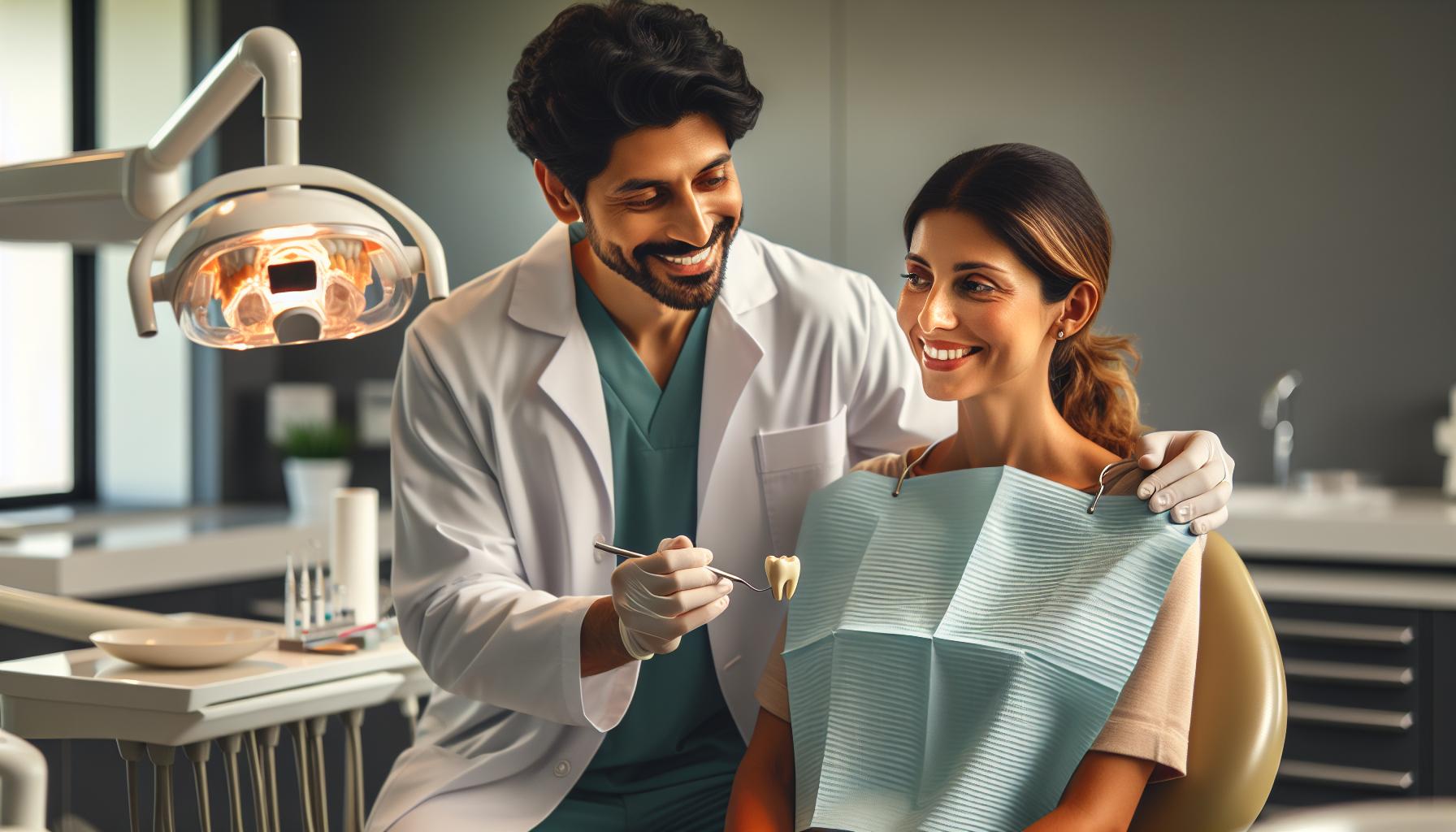
Undergoing orthodontic treatment is not only a journey toward straighter teeth but also a transformative experience that can significantly boost your confidence and enhance your overall smile. The process begins with an initial consultation, where the orthodontist will assess your dental alignment using X-rays, photographs, and impressions. This assessment is crucial as it helps in formulating a personalized treatment plan tailored to your unique needs and goals.
Once you begin wearing braces, you may notice changes in both your teeth and your face over time. The gradual adjustments made during regular appointments help reposition your teeth, leading to improved alignment and functionality. It’s important to remember that each adjustment can come with a phase of mild discomfort; however, this temporary pain is a sign that your teeth are moving in the right direction. Maintaining a positive mindset and understanding that this discomfort is part of the journey can help mitigate any anxieties you may feel.
As your teeth shift, you might also experience some changes in your facial appearance. Many patients report feeling more confident as they start to see the progress. Regularly taking before-and-after photos can serve as a motivational tool, allowing you to visualize how far you’ve come and the stunning results that await you at the end of your treatment.
Throughout this journey, staying engaged with your orthodontist about your expectations and any concerns is vital. They will provide guidance on what to expect at each phase and how to care for your braces to ensure optimal results. Embrace this time as a commitment to yourself – not just for cosmetic reasons, but also for the long-term benefits of improved oral health. With patience and dedication, the smile transformation process can lead to a beautiful, confident smile that you will be proud to show off for years to come.
Before Getting Braces: Preparation Tips

Preparing for braces is an exciting step toward achieving the smile you’ve always wanted. However, it’s natural to feel a mix of excitement and apprehension. Understanding what to expect and how to prepare can ease your nerves and set the stage for a smoother transition into this transformative journey.
To get started, it’s essential to have a comprehensive consultation with your orthodontist. This initial meeting is where you’ll discuss your individual needs and goals. Bring a list of any questions or concerns you might have-there’s no such thing as a silly question when it comes to your health! Understanding the types of braces available can also help you make an informed decision tailored to your lifestyle.
Before the braces are put on, consider these practical steps to prepare:
- Schedule any dental work: If you need cavities filled or have other dental issues, address these before getting braces to avoid complications later.
- Learn about dietary changes: Soft foods will be your best friends initially. Stock up on options like yogurt, applesauce, and soups to ease the transition.
- Prepare your oral hygiene kit: Invest in a soft-bristle toothbrush, orthodontic wax, interdental brushes, and mouthwash. These will be essential for maintaining oral hygiene during your treatment.
- Practice self-care: It’s normal to feel some discomfort after getting braces. Having over-the-counter pain relief and soft foods on hand can help manage this.
Lastly, mental preparation is just as crucial. Consider taking some “before” photos of your smile; this will not only help you track your progress but also serve as a motivator when you see the transformations taking place. Engaging with support groups or online forums can also alleviate anxiety by allowing you to share experiences and tips with others on a similar journey. Embrace this opportunity for change, and remind yourself that each step is a step toward a brighter, more confident smile.
How Braces Change Your Face and Smile
Seeing yourself in the mirror with braces can evoke a mix of emotions, but it’s essential to recognize that these orthodontic devices are not just a means to an end; they represent a journey toward a beautifully aligned smile. As your teeth gradually shift into their correct positions, you may notice significant changes in your facial structure and overall appearance. This transformation often enhances your profile, balances your features, and can even boost your confidence. Many individuals report that they feel more attractive during and after their orthodontic treatment.
One of the most noticeable effects is on your smile itself. Braces help to correct issues such as overcrowding, gaps, and misalignment, leading to a straighter and more symmetrical smile. This, in turn, can positively affect your facial aesthetics. An improved bite can also influence the way your lips come together, possibly providing a fuller appearance. Not to mention, the enhancement of smile aesthetics can lead to a more youthful look, as a properly aligned bite can support your facial structure.
It’s natural to be concerned about how you’ll look with braces, but it’s worth noting that many find their self-image improves as their treatment progresses. Viewing before-and-after photos can be an excellent motivator and help you visualize the wonderful outcome that awaits you. Embracing this change, along with maintaining a positive outlook, can make your orthodontic journey not just bearable but truly rewarding.
As you adjust to life with braces, remember that self-care and caring for your braces are integral to your transformation process. Regular visits to your orthodontist ensure that you stay on track and any adjustments to your treatment can be made timely. Engaging in supportive communities, either online or in-person, can also enhance this experience, providing you with encouragement and shared stories from others undergoing similar journeys. Embrace the process, knowing that each adjustment brings you one step closer to the smile you’ve always wanted.
Types of Braces: Which One is Best for You?
Choosing the right type of braces can significantly influence both your treatment experience and the final outcome of your smile transformation. With various options available, you can find a solution tailored to your specific needs, lifestyle, and aesthetic preferences. Today, braces are not just your traditional metal devices; they include a range of styles designed to help align your teeth effectively while considering your comfort and appearance.
Understanding Your Options
There are several types of braces, each with its unique features, benefits, and potential drawbacks:
- Traditional Metal Braces: Made from high-grade stainless steel, these braces are the most common and affordable type. They consist of metal brackets glued to your teeth, connected by a wire and elastic bands. While they are highly effective for treating various dental issues, some people may find them less aesthetically pleasing.
- Ceramic Braces: For those looking for a more discreet option, ceramic braces are a fantastic choice. They work similarly to metal braces but use tooth-colored or clear brackets that blend in with your teeth. They are less noticeable; however, they can be more fragile and require extra care to maintain their appearance.
- Lingual Braces: Positioned on the back of the teeth, lingual braces are virtually invisible from the front, making them an excellent option for individuals concerned about aesthetics. However, they may be challenging to clean and can sometimes lead to discomfort on the tongue.
- Invisalign: This modern alternative consists of a series of custom-made clear aligners that are removable and nearly invisible. They offer significant comfort and convenience, allowing for easier oral hygiene and dietary flexibility. However, they may not be suitable for complex cases and require diligent wear to ensure effectiveness.
Choosing What’s Right for You
When deciding which type of braces is best for you, consider factors such as your orthodontic needs, lifestyle, and personal preferences. Consult with your orthodontist to understand how each option aligns with your treatment goals. They can provide professional insights into the expected duration of treatment, the level of care required, and the aesthetic considerations specific to each type.
In moments of uncertainty, remember that the ultimate goal is a healthy, beautiful smile that boosts your confidence. No matter which option you select, embracing the journey is a significant part of the transformation process. By understanding your choices and seeking guidance from your orthodontist, you can take steps toward achieving the smile you have always envisioned.
Visualizing Your New Smile with Before-and-After Photos
Visualizing your future smile can be both exciting and motivating as you embark on your orthodontic journey. Many people find that looking at before-and-after photos of others who have undergone similar treatments helps alleviate anxiety and build anticipation for their own transformation. These visual aids serve as a powerful reminder of what a beautiful smile can look like after the adjustment period of braces.
Seeing real results can also provide reassurance about the effectiveness of various braces options. It’s not uncommon to feel apprehensive about how braces will change your appearance. By examining images of individuals who have successfully navigated this path, you may discover that the initial adjustment period is a small price to pay for the confidence a straighter smile can bring. Whether it’s the subtle shift towards alignment or a significant transformation, these visual examples highlight the potential outcomes you can expect.
Furthermore, some orthodontic practices offer digital simulations that allow you to visualize what your smile could look like after treatment. This technology can create a more personalized experience, showing you a predicted outcome based on your current dental structure. Utilizing this resource can help clarify any uncertainties and foster enthusiasm about the journey ahead.
To maximize your smile transformation, consider keeping a visual diary throughout your treatment. Take regular photos of your teeth, documenting changes over time. This process not only encourages you to stay committed to your oral care routine but also allows you to celebrate each milestone, no matter how small. Your future self-a person with a radiant smile-will be grateful for the efforts you put in today.
Maintaining Oral Hygiene with Braces: Essential Tips
Maintaining rigorous oral hygiene is crucial when you have braces. Not only will this help prevent tooth decay and gum disease, but it will also ensure that your teeth stay healthy while they are being moved into their new positions. Braces create nooks and crannies where food particles can easily get trapped, making thorough cleaning essential. Here are some essential tips to help you keep your smile bright and healthy throughout your orthodontic journey.
To start, investing in the right tools can make a significant difference. Consider using a soft-bristle toothbrush or an electric toothbrush designed for braces, which demonstrates superior cleaning ability around brackets and wires. Additionally, don’t forget about interproximal brushes, which can easily reach those hard-to-access areas between teeth. Flossing can be trickier with braces, but using a floss threader or orthodontic floss will facilitate this process, ensuring that every tooth is cared for without damaging the braces.
Daily Cleaning Routine
Establishing a consistent daily oral hygiene routine is vital. Aim to brush your teeth after every meal. Here’s a simple step-by-step guide:
- Rinse: Start with a water rinse to dislodge food particles.
- Brush: Use fluoride toothpaste to brush your teeth for at least two minutes, ensuring you focus on each bracket and wire.
- Floss: Use a floss threader or orthodontic floss to clean between your teeth once a day, ideally before bedtime.
- Mouthwash: Finish with an antibacterial mouthwash to help combat plaque and provide extra protection against decay.
Food Choices
Another essential aspect of oral hygiene with braces is being mindful of your diet. Certain foods can jeopardize the success of your treatment and your dental health. Avoid sticky or hard foods such as caramel, ice, and popcorn, as they can loosen or damage the brackets. Instead, opt for softer foods that are easy to chew, like yogurt, mashed potatoes, or smoothies during your orthodontic treatment. This not only protects your braces but also reduces the risk of painful injuries to your gums and cheeks.
Incorporating these measures into your daily routine will greatly contribute to a healthier, more successful orthodontic experience. With commitment and care, you can maintain your oral hygiene effectively, alleviating fears about cavities or gum issues while enhancing the smile transformation you’re working so hard to achieve. Every effort you make in this journey-however small-will lead to a confident, radiant smile in the end.
Pain Management During Your Orthodontic Journey
For many, the thought of getting braces can provoke anxiety about potential discomfort during the orthodontic journey. However, understanding how to manage pain effectively can significantly ease these concerns and ensure a more pleasant experience. When braces are first applied or adjusted, it’s normal to experience some soreness and tenderness as your teeth begin to shift. This happens because the braces apply gentle pressure to the teeth, which can feel uncomfortable, especially in the days following an adjustment.
To navigate through this period, consider using over-the-counter pain relievers, such as ibuprofen or acetaminophen, as needed. These can help alleviate the discomfort associated with new braces or following wire adjustments. However, always consult with your orthodontist first to confirm which medication is appropriate for you. Cold compresses can also be effective; applying a cold pack on the outside of your mouth for 15-20 minutes can reduce swelling and numb the area, providing instant relief.
In addition to these methods, soft foods can be a game-changer in your diet during this phase. Foods like yogurt, smoothies, or mashed potatoes are not only easier to chew but can also prevent additional irritation to your teeth and gums. Staying hydrated and maintaining a balanced diet is essential; be mindful to avoid hard, sticky, or crunchy foods that can exacerbate discomfort.
As you adapt to wearing braces, give your mouth time to adjust. Most patients find that the initial discomfort subsides within a week or so. By following these pain management strategies and maintaining open communication with your orthodontist, you can turn what might seem like a daunting experience into an opportunity for a beautifully aligned smile. Remember, every step you take today is a step closer to a transformation that can last a lifetime.
Adjusting to Life with Braces: Food and Lifestyle Changes
Adjusting to the new reality of having braces can feel overwhelming at first, but it also opens a door to your future smile transformation. Understanding the necessary food and lifestyle changes will help you navigate this journey with confidence and ease, ultimately leading to a beautiful result.
When you first start wearing braces, your diet will need some adjustments. Chewing might feel uncomfortable initially, so it’s wise to stick with soft foods that won’t irritate your mouth or put too much pressure on your braces. Consider incorporating options like:
- Mashed potatoes
- Yogurt
- Smoothies
- Oatmeal
- Applesauce
These foods are not only gentle but also nutritious, helping you maintain a balanced diet. As you adjust, you’ll discover which soft foods you enjoy the most, making it easier to stick to this temporary dietary shift.
It’s equally important to steer clear of certain foods that can wreak havoc on your braces. Stick to avoiding:
- Hard foods like nuts or hard candy
- Sticky substances such as caramel or gum
- Corn on the cob – consider cutting the kernels off instead
These foods can damage your braces or become stuck, leading to additional discomfort and potential treatment delays.
Lifestyle changes also play a significant role. When you have braces, maintaining excellent oral hygiene becomes essential. Brush your teeth after every meal to prevent food particles from lingering around your brackets. Using a fluoride mouthwash can also add an extra layer of protection against cavities. Many patients find that using an interdental toothbrush or floss threaders is helpful to keep their braces clean.
Finally, stay engaged in your social activities and hobbies. While some might feel self-conscious about their braces initially, remember that this is a temporary step towards an improved smile. Embrace your journey-take before-and-after photos to visualize your progress, and share your excitement with friends. They’ll likely be supportive, and you may even inspire others to consider braces as part of their own smile transformations.
With these adjustments, not only will you adapt smoothly to life with braces, but you’ll also cultivate habits that contribute to your overall oral health and confidence throughout your treatment.
Aftercare for Braces: Ensuring a Beautiful Smile
Taking care of your braces is crucial for achieving that beautiful smile you’ve been dreaming of. After you’ve received your braces, establishing a solid aftercare routine can make a significant difference in both comfort and the effectiveness of your treatment. This process doesn’t have to be daunting; instead, think of it as an exciting journey toward your transformed smile.
One of the most important aspects of aftercare is maintaining impeccable oral hygiene. Braces create additional nooks and crannies for food particles to hide, which can lead to plaque buildup and potential dental issues. Aim to brush your teeth at least twice a day and floss daily. Using a soft-bristled toothbrush can prevent irritation to your gums and mounted brackets. Consider using a periodontal brush or floss threaders designed specifically for braces to aid in cleaning around your brackets effectively. A fluoride mouthwash can also be a powerful ally in your aftercare regime, further strengthening your enamel and keeping cavities at bay.
In addition to your daily brushing and flossing, regular visits to your orthodontist are essential. They will provide professional cleanings and adjustments to your braces, ensuring the treatment progresses smoothly. Adherence to your orthodontist’s recommendations regarding follow-up appointments can impact the timeline of your treatment and the overall outcome of your new smile.
Lastly, as you adjust to life with braces, it’s also important to be mindful of your diet. Sticking to soft foods initially will ease discomfort while your mouth adapts to the hardware. As time goes on, focus on healthy eating habits, avoiding hard, sticky, or crunchy foods that could damage your braces. Keeping track of your dietary choices can not only affect your comfort but can also expedite your journey towards the smile you desire.
With these aftercare tips, you’ll be well-equipped to deal with the challenges of braces. Remember that every step you take in this journey ultimately brings you closer to the stunning outcome you envision. Embrace this transformation, and celebrate the small victories along the way, keeping in mind that each adjustment gets you one step closer to your beautiful new smile.
Common Concerns and Misconceptions About Braces
Many individuals embarking on their journey with braces often grapple with a range of concerns and misconceptions. One common worry is the belief that braces will severely impact their appearance. While it’s true that braces can change how you look initially, many find that any temporary changes are more than worth the long-term benefits of a beautifully aligned smile. Embracing braces can be viewed not just as a treatment, but as an exciting step towards self-improvement and increased confidence.
Understanding Common Misconceptions
Among the most prevalent myths is the assumption that braces are only for children and teenagers. In reality, adults are increasingly seeking orthodontic treatment, and with advancements in technology, options like clear aligners and lingual braces are tailored to blend seamlessly into adult lifestyles. It’s crucial to remember that it’s never too late to achieve the smile you desire, regardless of your age.
Another concern is the anticipated discomfort associated with braces. While some initial soreness and pressure are common following adjustments, this discomfort typically subsides within a few days. Many orthodontists recommend over-the-counter pain relief medications to help manage any discomfort. Moreover, most patients find that the pain is manageable and becomes less noticeable over time as they adjust to their braces.
Building Confidence Through Information
It’s also a misconception that maintaining oral hygiene with braces is overly complicated. While it does require a bit more effort, following a diligent oral hygiene routine is entirely achievable. Special tools such as interdental brushes and floss threaders are designed specifically for those with braces, making it easier to keep teeth and gums healthy. Incorporating these tools along with regular brushing can mitigate the risk of plaque buildup and other dental issues.
Finally, fear of dietary restrictions can deter people from getting braces. Adapting your diet is a part of the process, but it can also lead to healthier eating habits. Soft foods can help ease the transition, and over time, many find that they rediscover their love for healthier options like fruits and yogurt.
In conclusion, understanding the realities of braces can combat the anxiety or misconceptions surrounding them. By being informed and prepared, one can confidently embark on the journey toward a beautiful, transformed smile. Embrace this opportunity, and remember: the slight inconveniences of today pave the way for the confidence of tomorrow!
Celebrating Your Smile Transformation: What Comes Next?
The journey with braces is not just a dental treatment; it’s a transformation that promises a lifetime of confidence and health. As you approach the finish line of your orthodontic journey, the anticipation of revealing your new smile can be exhilarating. It’s essential to embrace this moment, not only for the aesthetic benefits but also for the confidence and self-assurance that come with it.
Once your braces come off, your orthodontist will likely discuss the importance of retainers, which are essential for maintaining your newly aligned teeth. Wearing your retainer as instructed is crucial. This step prevents your teeth from gradually shifting back to their original positions, ensuring your smile remains beautiful long after the braces are removed. Many patients find this new phase to be an exciting opportunity to showcase their smile while continuing to enjoy the benefits of orthodontic treatment.
To celebrate your new smile, consider planning a special moment or event, such as a photoshoot or a small gathering with family and friends. Documenting this milestone or sharing it with loved ones can elevate the joy of this transformation. Social media is also a wonderful platform to showcase your new look and inspire others who are contemplating orthodontic treatment.
Remember, this journey isn’t just about the destination; it’s about the growth along the way. Reflecting on the changes you’ve made-adapting your diet, sticking to oral hygiene routines, and embracing the daily challenges of wearing braces-can further strengthen your confidence. As you stand in front of the mirror, take a moment to appreciate not only your new smile but also the commitment and effort you’ve invested in achieving it. Celebrate this change not just as a new look but as a significant personal achievement that enhances your overall self-image.
Faq
Q: How do braces affect my facial appearance?
A: Braces can enhance your facial appearance by aligning teeth and improving your smile. Over time, they may also influence how your lips and cheeks sit, providing a more balanced look. This transformation often boosts self-confidence and overall aesthetics, as discussed in the “How Braces Change Your Face and Smile” section of the article.
Q: What will my smile look like after getting braces?
A: After braces, your smile will likely appear straighter and more symmetrical. The final look varies based on individual dental structures, but many experience significant improvements. Utilizing before-and-after photos can help visualize these changes, which is elaborated on in the “Visualizing Your New Smile with Before-and-After Photos” section of the article.
Q: How long will it take to see results with braces?
A: Results from braces can typically be seen within a few months, but the total duration of treatment varies based on individual cases. Most patients wear braces for 18 to 24 months. For more details about what to expect, refer to “The Smile Transformation Process: What to Expect.”
Q: Can I still smile with braces on?
A: Yes, you can absolutely smile with braces! Many people feel self-conscious initially, but over time, most become proud of their transformation. Embrace your journey and celebrate your smile as mentioned in “Celebrating Your Smile Transformation: What Comes Next?”
Q: What common issues might arise while wearing braces?
A: Common issues include discomfort, food getting stuck, or difficulties in oral hygiene. Using orthodontic wax can alleviate irritation, while maintaining proper oral care is essential for preventing complications. The article’s “Maintaining Oral Hygiene with Braces: Essential Tips” section offers practical solutions to these challenges.
Q: Can I choose the color of my braces?
A: Yes, many orthodontists offer options for colored rubber bands on braces. This allows you to customize your braces to reflect your personality. Check your orthodontist’s options to personalize your smile according to your preferences.
Q: Will braces change my voice?
A: Typically, braces do not permanently alter your voice; however, during the initial adjustment phase, you might experience slight changes in how you speak. Most individuals adapt quickly, and any changes are usually temporary. For tips on adjusting, refer to “Adjusting to Life with Braces: Food and Lifestyle Changes.”
Q: How can I manage pain or discomfort from braces?
A: Pain from braces can usually be managed with over-the-counter pain relievers, warm saltwater rinses, or applying a cold compress. It’s always important to consult your orthodontist if discomfort persists. For more pain management strategies, see the “Pain Management During Your Orthodontic Journey” section.
Closing Remarks
As you embark on your smile transformation journey with braces, remember that each step brings you closer to the confident smile you’ve always desired. Understanding what to expect during this process can significantly alleviate any concerns you may have, from initial consultations to aftercare. Don’t hesitate to explore our articles on pain management and the costs involved with orthodontic care for further insights.
Ready to take the next step? Schedule a consultation with our dental experts to discuss personalized options that fit your needs. You can also sign up for our newsletter to receive tips on dental health, braces care, and exclusive offers directly in your inbox. Your dream smile is just around the corner-let’s make it happen together! Share your thoughts or experiences in the comments below; we’d love to hear from you! Remember, the journey to a beautiful smile is worth every moment.