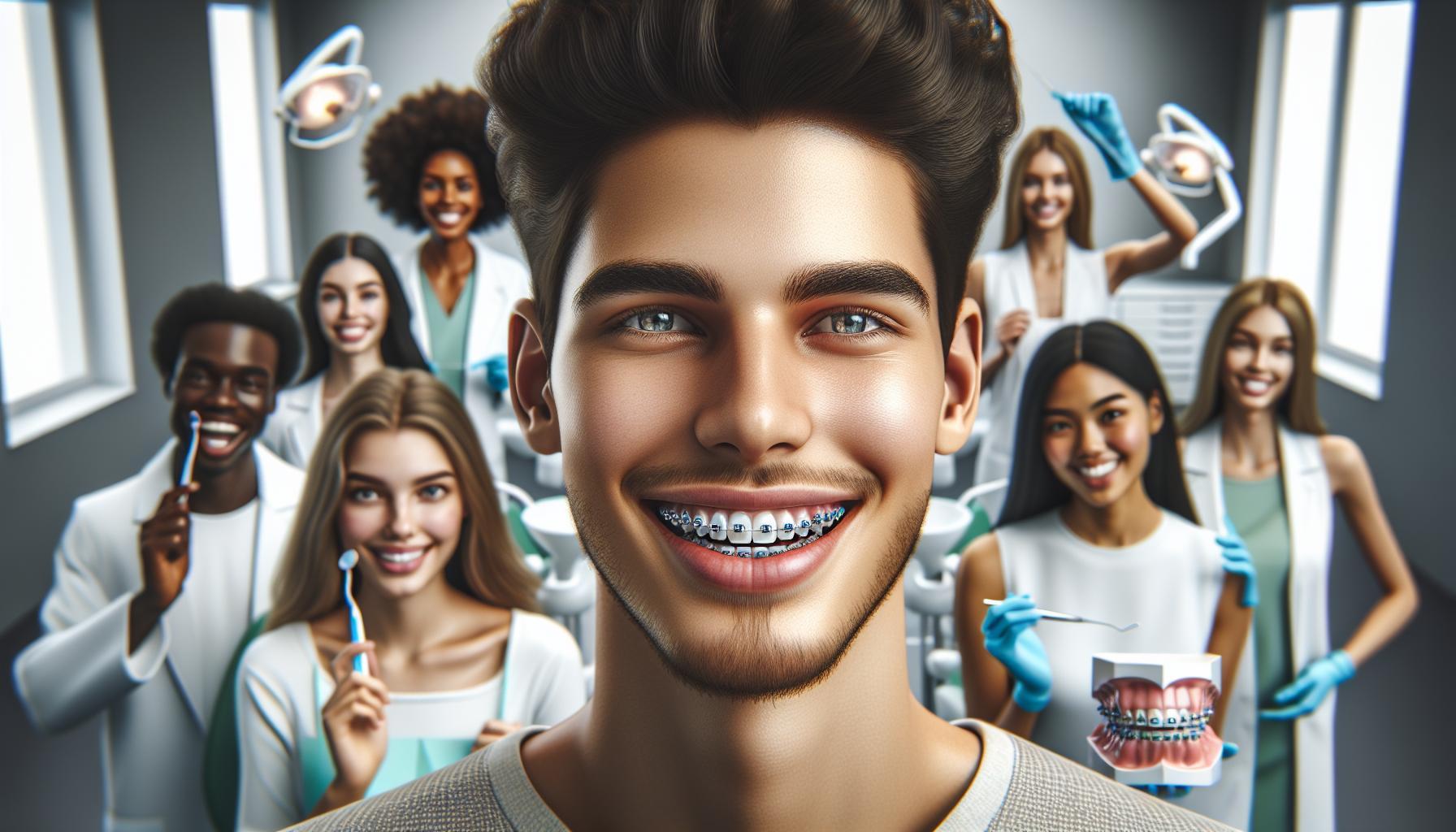
Imagine being able to see your future smile before even starting your braces journey. Virtual previews offer a unique opportunity to visualize how braces can transform your teeth, helping ease the anxiety that often accompanies orthodontic treatment. Understanding what you might look like with braces can empower you to make informed decisions about your dental health, alleviating fears and boosting your confidence.
As you consider orthodontics, you may be wondering about the aesthetic changes braces bring and how they will affect your appearance. With advancements in technology, virtual previews have become an invaluable tool for prospective patients, allowing you to explore different outcomes and find reassurance in your treatment plan. Throughout this article, we’ll delve into practical tips on maximizing your virtual preview experience, so you can embark on your orthodontic journey with clarity and excitement. Get ready to discover a new smile that could be just around the corner!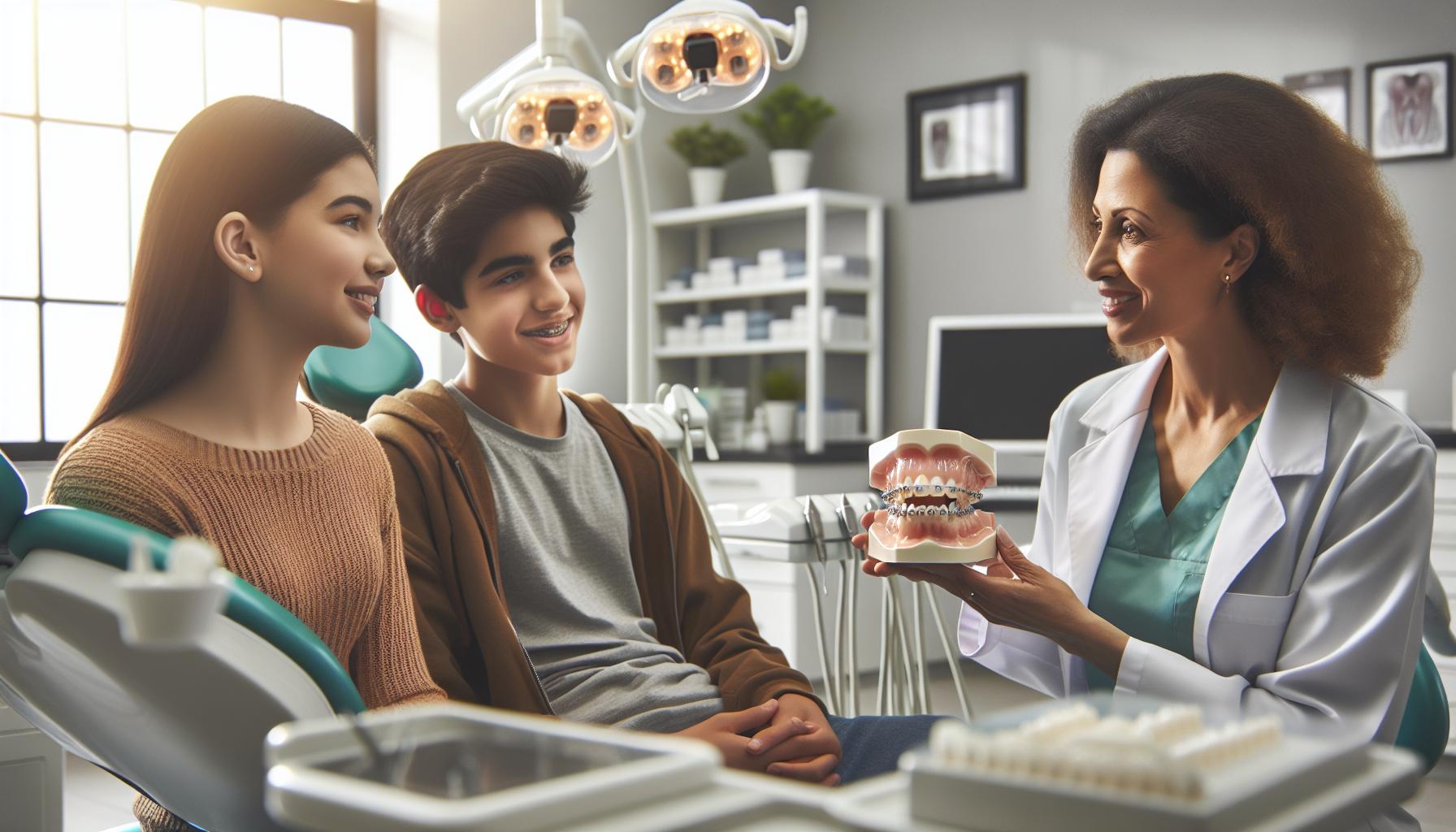
Understanding Braces: What to Expect
Getting braces is a transformative dental journey that can bring about significant changes in both your smile and your self-confidence. Many people, especially those contemplating orthodontic treatment for the first time, have questions about what to expect during this process. Understanding the components and steps involved can alleviate any anxiety and help you prepare for a successful outcome.
Initially, during your consultation, the orthodontist will conduct a comprehensive evaluation of your dental alignment, bite, and overall oral health. They may take photos, X-rays, and impressions of your teeth to create a detailed treatment plan tailored to your specific needs. This plan will outline the type of braces recommended-be it traditional metal brackets, ceramic braces, or clear aligners-and the expected duration of treatment. For many, the whole process can take anywhere from several months to a few years, depending on the complexity of the case.
Once the braces are in place, you may experience some initial discomfort as your teeth begin to shift into their new positions. This sensation is usually manageable and can be alleviated with over-the-counter pain relief. Regular visits to the orthodontist will be necessary for adjustments and monitoring progress. It’s crucial to stay engaged throughout treatment; understanding your role-such as maintaining good oral hygiene and adhering to dietary restrictions-will greatly influence the final results.
After the braces are removed, many patients are thrilled to see their new smile. However, it’s essential to understand that this is just the beginning of maintaining your results. Wearing a retainer as directed by your orthodontist will help ensure that your teeth stay in their new positions. Overall, while the journey through braces may involve some challenges, the result-a beautifully aligned smile-makes it all worthwhile.
Benefits of Virtual Preview Tools
Imagine being able to see how braces might transform your smile before you even step into the orthodontist’s chair. With the emergence of virtual preview tools, this is now a reality. These innovative applications allow potential brace wearers to visualize their dental transformation, providing a glimpse of what to expect as treatment progresses. By utilizing advanced technology, patients can gain a clearer understanding of how braces could change their appearance, helping to alleviate anxiety and foster excitement about the journey ahead.
Most virtual preview tools work by taking your current dental layout and digitally simulating the adjustments that braces would achieve. This allows for an interactive experience, giving you the opportunity to explore different styles of braces and how they might suit your facial aesthetics. These previews can be instrumental in decision-making, as they empower individuals to choose the type of braces-be it traditional metal, ceramic, or aligners-that best fits their lifestyle and comfort level. In some cases, you might even be able to adjust the virtual braces yourself to see the impact of various configurations or colors, further customizing your potential treatment.
Additionally, the confidence gained from seeing a visual representation of your future smile can significantly influence your emotional readiness for braces. Many people express concerns about how braces will affect their appearance, but with virtual previews, that fear can be transformed into anticipation. Being able to visualize your anticipated results can provide reassurance, making the prospect of beginning treatment much more appealing. Moreover, having a concrete image of what lies ahead encourages patients to stay committed to their orthodontic plan, as they can see the end goal and the beautiful smile awaiting them.
In summary, virtual preview tools are not just gimmicks; they serve a vital function in the orthodontic journey. They enhance understanding, empower choice, and build confidence, making the transition into braces smoother and more comforting. By fostering a sense of control over the treatment process, these tools help ensure that the journey to a perfect smile feels less daunting and more exciting.
How to Use Braces Simulation Apps
Using braces simulation apps can be a rewarding experience, providing you with a visual representation of your future smile before committing to treatment. These applications typically use your current dental photos or scans to create a digital model of your mouth. From there, they simulate how your teeth will shift and align with the help of braces. To get started, follow these considerations to make the most out of your virtual preview journey.
Firstly, ensure you have high-quality images of your teeth to input into the app. Most apps will guide you through the process, asking for specific angles to get a complete view. Once your images are uploaded, the app will generate a 3D model that mimics your oral structure. Explore the different styles of braces available-such as traditional metal, ceramic, or clear aligners-and see how each option would look on your model. This helps in understanding not just the aesthetic changes, but also the functional benefits that come with each type of braces.
Once you have your model and different braces styles in front of you, take the time to customize your simulation. Some apps even allow you to adjust teeth positions manually, giving you a more personalized view of the potential results. Engage in this interactive process; this will help clarify your desires and expectations. Consider how each type of brace harmonizes with your facial features and discuss these preferences during your consultation with the orthodontist. Sharing what you’ve learned and the visuals you’ve created can facilitate more tailored advice and treatment options.
As you engage with the simulation apps, remember that while technology provides an exciting glimpse into your orthodontic future, it is just a prediction. Real results can vary due to the unique complexity of individual dental anatomies and treatment responses. However, these tools greatly enhance your understanding and confidence as they prepare you for the journey of getting braces. Share your thoughts and anxieties about what you’ve seen with your orthodontist; they can help ease your concerns and solidify your care plan moving forward.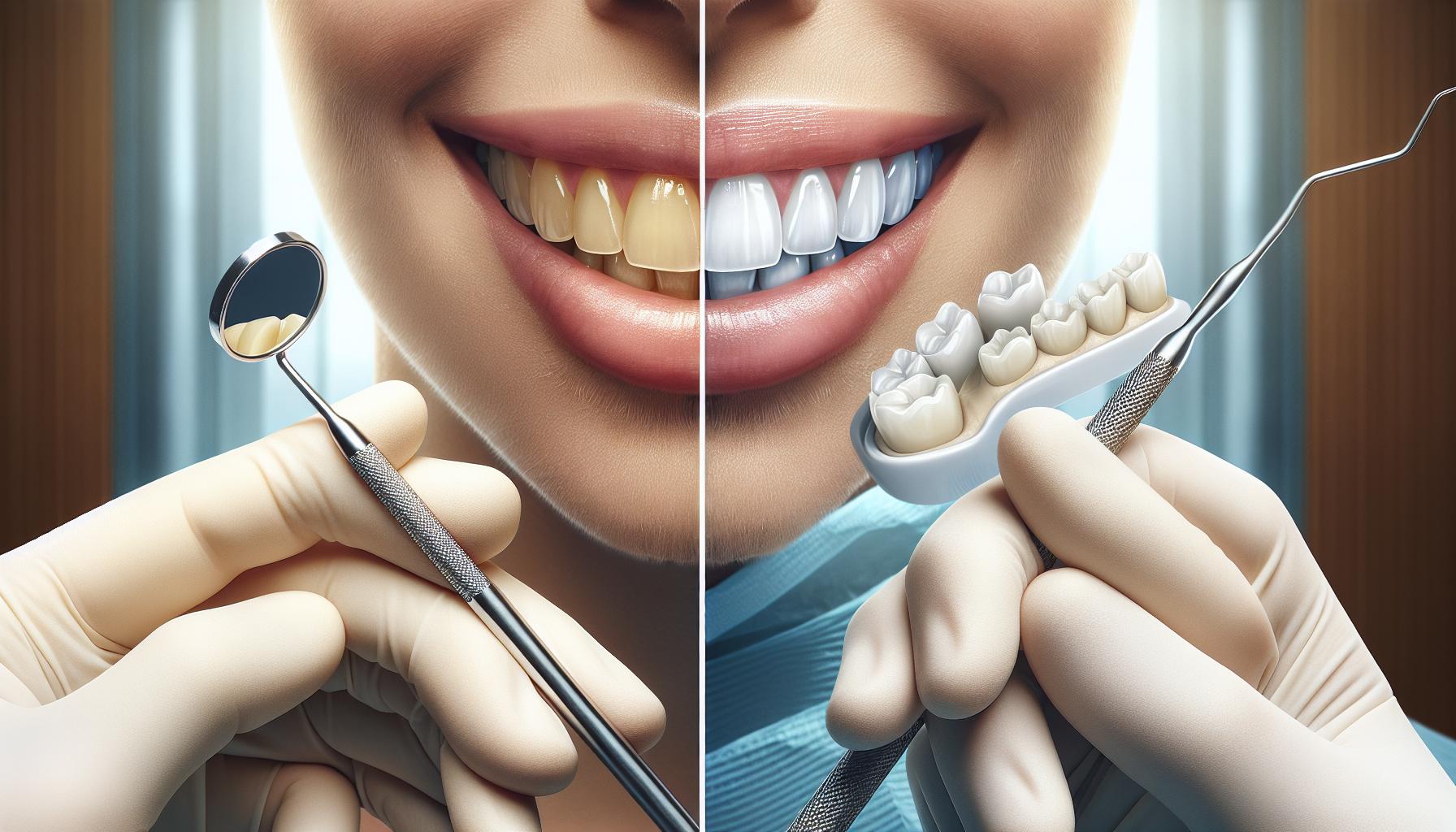
Realistic Expectations: Before and After
The journey of orthodontic treatment can be an exciting prospect, but it’s essential to set realistic expectations regarding the transformation your smile will undergo. While virtual preview tools offer a glimpse into your future appearance with braces, the actual results may differ somewhat. Understand that each individual’s dental structure is unique, and factors such as the severity of misalignment, type of braces used, and adherence to treatment recommendations all play pivotal roles in the outcome.
To visualize what you can expect, consider the following elements that impact both the appearance and the experience of wearing braces:
- Initial Appearance: At the beginning of your treatment, your teeth may seem more misaligned than they did before you started. This is perfectly normal as your teeth begin to shift gradually. It’s a process, and those initial changes can vary greatly from person to person.
- Progressive Changes: As the months go by, the transformations become more noticeable. Regular adjustments by your orthodontist will fine-tune the positioning of your teeth. Take note of the small victories along the way; each adjustment can lead to a more aligned look.
- End Result: While the virtual simulations can provide an idea of your potential end result, remember that the process might not mirror the exact ending shown in apps. Factors including personal dental health and technique variations will ultimately shape the final result.
Understanding and accepting these aspects can help ease anxiety and foster patience as you anticipate the outcome. Regularly discussing your progress with your orthodontist not only provides reassurance but also helps you stay on track with your treatment goals. They can share insights on how your individual case is progressing compared to typical timelines and outcomes.
The emotional aspect of this transformation should not be overlooked. Stay engaged in the process-consider documenting your journey with photos from various stages. This not only keeps you motivated but also builds a tangible narrative of your progress, confirming the changes are moving in the right direction. Embrace this adventure towards your ideal smile, and remember that every patient’s journey is unique-with commitment, your beautiful, confident smile is indeed on the horizon.
Choosing the Right Orthodontist
Choosing an orthodontist can significantly impact the success of your braces experience, from the quality of care received to the overall satisfaction with your treatment journey. With various options available, it’s important to conduct thorough research and ask the right questions to find a specialist who aligns with your needs and comfort level. Start by gathering recommendations from friends, family, or your general dentist. Personal experiences often provide valuable insights into an orthodontist’s approach, demeanor, and outcomes.
Once you have a shortlist, consider scheduling consultations. During these initial meetings, observe the office environment and the staff’s professionalism, as a welcoming atmosphere can ease anxiety. Ask specific questions regarding their experience with various braces types and their success with cases similar to yours. Additionally, inquire about their approach to using virtual preview tools that show potential outcomes before starting treatment. This can be crucial in setting realistic expectations regarding the appearance changes you can expect throughout your braces journey.
You may also want to discuss the orthodontist’s methodologies for monitoring progress. Some orthodontists employ advanced technology to track treatment efficiently, which can enhance your experience. Furthermore, ensure they are transparent about treatment timelines, costs, and insurance coverage, helping you avoid surprises down the line. This openness contributes to trust and allows you to focus more on your anticipated transformation.
Lastly, consider how comfortable you feel communicating with the orthodontist. A good relationship will make it easier to discuss any concerns during your treatment. It’s essential that you feel heard and understood, especially if you experience discomfort or have questions regarding your braces. Together, these considerations will help you choose an orthodontist who can guide you on the path to a beautiful smile while providing reassurance and support throughout your orthodontic journey.
Common Types of Braces and Their Impact
Understanding the different types of braces is crucial for anyone considering orthodontic treatment. Each type not only influences how your teeth will be aligned but can also affect your daily life during the treatment process. With advancements in dental technology, there are now several options available that cater to different preferences and needs. Whether you prefer a traditional look or seek something more discreet, knowing what each type involves will help you make an informed choice.
Fixed Braces
Fixed braces, commonly referred to as metal braces, are among the most widely used options. They consist of brackets that are bonded to the front of each tooth, connected by wires and elastics. This configuration allows for precise control over tooth movement. Though these braces are highly effective for complex alignment issues, they can be noticeable and may cause discomfort, especially after adjustments. However, they are also often the most economical choice and can treat a wide variety of orthodontic issues.
Ceramic Braces
Ceramic braces function similarly to metal braces but use tooth-colored or clear brackets, making them less conspicuous. They are an excellent option for individuals concerned about aesthetics during treatment. However, while they blend in with your teeth, they may be less durable than metal braces and can require extra care to prevent staining. Many patients find them to be a satisfying compromise between effectiveness and appearance.
Lingual Braces
For the ultimate discreet option, lingual braces are attached to the back of the teeth. This makes them virtually invisible when you smile. While they offer a unique solution for those who prioritize aesthetics, they may be less comfortable and more challenging to adjust to, especially for patients who are new to braces. Additionally, regular check-ups can be more complicated due to their positioning, and they may require more time for cleaning.
Clear Aligners
Clear aligners, such as Invisalign, represent the most modern approach to orthodontic treatment. These custom-made, removable trays work by applying targeted pressure on teeth to gradually shift them into place. Many patients appreciate the flexibility of clear aligners, as they can be removed during meals and for brushing, which simplifies oral hygiene. However, their effectiveness is contingent on strict adherence to wearing them for the recommended hours each day. Moreover, they are typically recommended for less severe alignment issues.
Impact on Daily Life
Different types of braces can have varied impacts on lifestyle and comfort during treatment. While metal braces are highly effective for complex cases, they may cause soreness or sensitivity, particularly after adjustments. It’s essential to consider how each option aligns with your daily activities, social interactions, and self-image. Regardless of the type of braces you select, following your orthodontist’s aftercare instructions will be vital in ensuring the success of your treatment and achieving the smile you’ve always wanted.
By familiarizing yourself with the types of braces available, you can approach your orthodontic journey with confidence and clarity. Don’t hesitate to discuss your preferences and concerns with your orthodontist, who can help you determine the best fit for your specific needs.
Emotional Preparation for Getting Braces
As you prepare for the journey of getting braces, it’s perfectly normal to feel a mix of excitement and apprehension. A common concern for many is the emotional impact of this significant change, especially regarding appearance and social interactions. Understanding that braces can be a pathway to a more confident smile is essential, and learning how to emotionally manage this transition can make the process smoother.
Start by acknowledging your feelings. It’s okay to feel anxious about wearing braces, especially if you’re concerned about how they might affect your social life or self-image. Familiarizing yourself with the look of braces prior to getting them can be incredibly helpful. Virtual preview tools allow you to visualize how braces might change your appearance, providing a helpful perspective that can ease concerns. These tools help you see that braces are a temporary phase leading to lasting positive changes.
To build confidence, consider surrounding yourself with supportive friends and family who can help remind you of the positive aspects of wearing braces. Engaging in conversations with others who have had braces can also be reassuring; hearing their success stories can inspire you to focus on the end goal. Set realistic expectations: while it may take time to adjust, brace discomfort diminishes, and the benefits far outweigh the initial unease.
Utilizing coping strategies such as journaling your thoughts, practicing relaxation techniques, or even treating yourself to small rewards for milestones during your orthodontic journey can also foster a positive mindset. Remember, this is an investment in your long-term oral health and self-esteem, and with patience and care, you’ll emerge with a smile that reflects your inner confidence!
What to Do On Your First Day with Braces
The first day with braces can feel overwhelming, but with the right mindset and preparation, you can navigate this new experience with confidence. As you settle into your new braces, it’s essential to focus on getting comfortable and embracing the initial changes. Remember, this journey is a significant step towards achieving the smile you’ve visualized through virtual preview tools, making it easier to cope with any anxieties.
Start by following your orthodontist’s instructions closely. After your appointment, you’ll likely experience some discomfort, so be prepared with soft foods, such as yogurt, smoothies, or mashed potatoes, as your mouth adjusts. It’s also helpful to keep orthodontic wax on hand; this can protect any areas in your mouth that may feel irritated by the brackets or wires. If the discomfort increases, over-the-counter pain relievers can usually provide relief-just be sure to follow the dosage instructions.
Maintaining your oral hygiene routine is crucial. Use a soft-bristle toothbrush and fluoride toothpaste to gently and thoroughly clean around brackets and wires. Flossing can be a bit more challenging with braces, so consider using floss threaders or orthodontic flossers to make this easier. Keeping your mouth clean will not only help you avoid discomfort but also maintain your overall dental health.
Lastly, celebrate this milestone! Consider treating yourself with a small reward or sharing your experience with friends or family who can offer encouragement. Knowing that this is just the beginning of a transformation can make the first day feel less intimidating. Remember, every smile journey is unique, and while the initial feelings of discomfort or change are temporary, the confidence that comes from a beautiful smile is enduring. Embrace this new chapter-your future smile is worth it!
Maintaining Oral Hygiene with Braces
Having braces is a transformative experience that can lead to a stunning smile, but it’s important to maintain exceptional oral hygiene during the treatment process. Good oral hygiene not only helps prevent cavities and gum disease but also minimizes discomfort caused by the brackets and wires. As you embark on this journey, arming yourself with the right tools and practices is key.
Start by upgrading your dental toolkit. Use a soft-bristle toothbrush, as it is gentle on both your teeth and braces. Opt for fluoride toothpaste to strengthen your enamel and protect against decay. Consider investing in an orthodontic toothbrush or a power toothbrush designed specifically for braces; these can make cleaning more efficient. Dental floss is vital, but traditional methods can be challenging. Look into using floss threaders or orthodontic flossers that are user-friendly and help you navigate around the braces with ease.
Incorporate rinsing your mouth with a fluoride mouthwash into your daily routine. This not only helps eliminate food particles that brushing and flossing may miss, but also strengthens your teeth. It’s essential to be meticulous: take your time after meals to wash your mouth out, clean around your brackets, and ensure no pesky food particles linger. Aim to brush at least twice a day and floss once a day; a good rule of thumb is to brush after every meal if possible.
Daily Oral Hygiene Routine with Braces:
- Brushing: Brush for at least 2 minutes post-meals, ensuring you cover teeth and brackets.
- Flossing: Utilize a floss threader or orthodontic flosser once a day, preferably before bedtime.
- Rinsing: Use a fluoride mouthwash daily to strengthen teeth and rinse out debris.
Don’t hesitate to reach out to your orthodontist with any concerns or questions. They can provide personalized tips tailored to your specific situation. Remember, your commitment to oral hygiene plays a significant role in the success of your treatment and the overall health of your teeth. By taking these steps, you’re not only prepping your mouth for a beautiful smile but also ensuring a more comfortable and rewarding experience throughout your orthodontic journey.
Diet Adjustments for New Braces Wearers
Adjusting your diet is a critical step when you first get braces, as certain foods can hinder your comfort and the effectiveness of your treatment. Understanding what to eat and what to avoid can make your transition into braces smoother and more enjoyable. The primary focus should be on choosing gentle, soft foods that are less likely to cause discomfort or damage the dental hardware.
Starting with a list of friendly foods can help ease your anxiety about meal times. Soft fruits such as bananas and applesauce are excellent options to satisfy your sweet tooth while being easy to chew. Cooked vegetables, like carrots and sweet potatoes, are nutritious and tender on the teeth. When it comes to grains, opt for soft breads, pasta, and rice, which are gentle on your braces. Dairy products such as yogurt, smoothies, and milk are not only soft but also provide essential nutrients that support oral and overall health.
However, there are specific foods that you should avoid to protect your braces and maintain comfort during your treatment. Sticky foods like caramel and gummy candies can adhere to your brackets, making them difficult to clean, while hard foods-such as nuts, popcorn, and hard candies-can break brackets or wires. Additionally, biting into raw fruits such as apples or tough meats should be avoided, as they can exert excessive pressure on your braces. Always consider cutting these foods into smaller pieces to make them more manageable.
To create a balanced diet while wearing braces, focus on the following food categories:
- Soft fruits: Mashed bananas, applesauce, and canned peaches
- Vegetables: Cooked carrots, squash, and mashed potatoes
- Grains: Soft bread, pasta, and rice
- Dairy: Yogurt, cheese, and smoothies
- Proteins: Scrambled eggs, tofu, and soft fish or poultry cut into small pieces
Adjusting to life with braces can feel overwhelming at first, but by making these thoughtful dietary changes, you’ll not only minimize discomfort but also create an environment for your teeth to move into the desirable alignment. Remember, this is a temporary phase on your journey to achieving a beautifully straight smile, and maintaining a positive attitude while navigating these adjustments can significantly enhance your overall experience.
Managing Discomfort: Tips and Tricks
When embarking on your journey with braces, it’s natural to experience discomfort as your teeth adjust to the new hardware. Fortunately, there are several strategies that can make this adjustment period much smoother and more manageable. Understanding the common sources of discomfort-such as the pressure of the braces on your teeth and the potential irritation from braces rubbing against your cheeks-can help you tackle these issues effectively.
One of the most effective ways to alleviate discomfort is through the use of common pain-relief methods. Over-the-counter pain relievers, such as ibuprofen or acetaminophen, can provide quick relief from any soreness you might feel, especially after an adjustment appointment. Applying an ice pack to your cheeks for 15-20 minutes can also reduce swelling and soothe any inflammation. For those who prefer a more natural approach, warm salt water rinses can help ease irritation in your mouth, providing both comfort and a clean environment that can promote healing.
Strategies for Managing Discomfort
- Soft Foods: Substituting hard and crunchy food with softer alternatives can significantly lessen the discomfort. Foods like yogurt, applesauce, and smoothies can nourish you without putting additional strain on your braces.
- Orthodontic Wax: If brackets are irritating the inside of your mouth, applying orthodontic wax to the offending bracket can create a protective barrier, preventing painful friction.
- Chewing Techniques: When you do eat, try to chew with your back teeth instead of using your front teeth, which are more prone to discomfort.
- Stay Hydrated: Drinking plenty of water not only helps in maintaining oral hygiene but also keeps you comfortable. Staying hydrated can prevent dryness and irritation in your mouth.
Remember, the initial discomfort typically fades after the first few days, and your body will begin to adjust to the braces. Maintaining open communication with your orthodontist will also help address any persistent issues; don’t hesitate to reach out if pain or discomfort continues beyond a few days. The experience of wearing braces may come with its challenges, yet with these practical tips, you can ease your way through the discomfort, turning your focus toward the beautiful smile that lies ahead.
Braces Aftercare: Essential Tips for Success
Adjusting to life with braces is a journey that requires attentive aftercare to achieve the best results possible while ensuring comfort. The key to a successful orthodontic experience lies not just in the braces themselves, but in the diligent care you provide during and after your treatment. Establishing a solid routine can help you navigate initial discomfort and maintain your oral hygiene, setting the stage for a stunning smile.
To maintain proper oral hygiene, it is vital to brush and floss effectively. Use a soft-bristled toothbrush and fluoride toothpaste to clean all surfaces of your teeth, taking care to brush around brackets and wires where food particles can easily hide. Aim to brush after every meal and snack. Applying a floss threader or orthodontic flosser can help maneuver between the braces without damaging them, ensuring that plaque and food debris are removed. Rinsing with an antimicrobial mouthwash can also help reduce bacteria and keep your mouth feeling fresh.
Diet plays an equally crucial role in aftercare. Certain foods can damage braces, so careful selection is necessary. It’s wise to avoid hard, sticky, and chewy foods that could bend wires or dislodge brackets. Instead, focus on softer options that are easy to manage, such as mashed potatoes, smoothies, and yogurt. Staying hydrated is essential as well; drinking plenty of water helps wash away food particles and keeps your gums healthy.
Recognizing that discomfort may still occur, especially following adjustments, having a plan in place can make a significant difference. Use pain relievers as recommended by your orthodontist and continue employing techniques to manage discomfort, like using orthodontic wax or ice packs. Engaging in regular follow-ups with your orthodontist will ensure that any issues are addressed promptly, keeping you on track for a positive outcome.
By embracing these aftercare strategies, you not only contribute to the success of your treatment but also empower yourself through knowledge and proactive self-care. This journey may have its challenges, but with diligence and patience, you will be rewarded with a beautifully aligned smile that reflects your efforts.
Frequently asked questions
Q: How do virtual braces preview tools work?
A: Virtual braces preview tools use advanced imaging technology to simulate how your teeth will look after orthodontic treatment. By uploading a photo of your smile, you can see a realistic preview of your potential results, helping you make informed decisions about your orthodontic care.
Q: What should I consider when using braces simulation apps?
A: When using braces simulation apps, consider the app’s accuracy, user reviews, and any disclaimers regarding simulated results. While these tools provide a helpful preview, they are not always reflective of your unique dental structure. Always consult with an orthodontist for professional insights.
Q: Can braces impact my facial aesthetics?
A: Yes, braces can affect your facial aesthetics. They may change the position of your teeth and align your jaw, potentially altering your smile and profile. Understanding these changes can help you emotionally prepare for your journey to a straighter smile.
Q: When should I start using a virtual braces preview tool?
A: Ideally, you should start using a virtual braces preview tool before your initial orthodontic consultation. This can give you valuable insights into potential outcomes and better prepare you for discussions with your orthodontist.
Q: How realistic are the results from virtual preview tools?
A: The results from virtual preview tools are often quite realistic, but they may not account for individual factors such as bone structure and tooth movement. Use these simulations as a guide, and always seek orthodontic advice for precise expectations.
Q: What are common misconceptions about getting braces?
A: Common misconceptions include that braces are only for children, they always cause severe pain, or that they’re purely cosmetic. In reality, braces can benefit patients of all ages and their primary purpose is to improve dental health and function, not just appearance.
Q: What can I do to feel more comfortable during my braces journey?
A: To feel more comfortable during your braces journey, educate yourself about the process, maintain good oral hygiene, and communicate openly with your orthodontist about any concerns. Joining support groups can also provide comfort and reassurance.
Q: Does the type of braces I choose affect my virtual simulation results?
A: Yes, the type of braces you choose can influence your virtual simulation results. Different braces (metal, ceramic, or Invisalign) may lead to varying aesthetic outcomes, so it’s beneficial to discuss these options with your orthodontist to understand how they affect your end results.
To Wrap It Up
Now that you have the insights from “What Would I Look Like With Braces: Virtual Preview Tips,” you’re one step closer to transforming your smile. Remember, virtual previews can alleviate some of the anxiety associated with braces, helping you visualize your journey toward a perfect smile. Don’t hesitate to explore our articles on braces aftercare and pain management strategies for comprehensive knowledge that may ease any lingering concerns.
Feeling inspired? Take action today by scheduling a consultation with our orthodontics team for personalized guidance tailored to your unique needs. Consider signing up for our newsletter to stay updated on the latest dental tips and resources. Share your thoughts in the comments below, and let us know how you plan to embrace your new look! Your confidence starts here, so let’s continue this journey together-your dream smile awaits!